Clinical Report: How Pathology Changed Medicine Forever
Overview
Pathology has evolved from a postmortem specialty to a cornerstone of modern medicine, integrating advanced technologies for improved diagnostic accuracy.
Background
The evolution of pathology is significant as it underpins clinical decision-making and disease understanding. Historically reliant on visual observation, the field has transitioned to incorporate molecular diagnostics and digital technologies.
Data Highlights
No numerical or trial data provided in the source material.
Key Findings
Pathology has transitioned from postmortem examinations to a technologically advanced field central to clinical decision-making.
Advancements in histopathology, including tissue fixation and staining, have improved diagnostic accuracy.
Molecular diagnostics and immunohistochemistry have shifted the focus from disease morphology to understanding underlying biology.
Less invasive diagnostic methods, such as liquid biopsies, are now available.
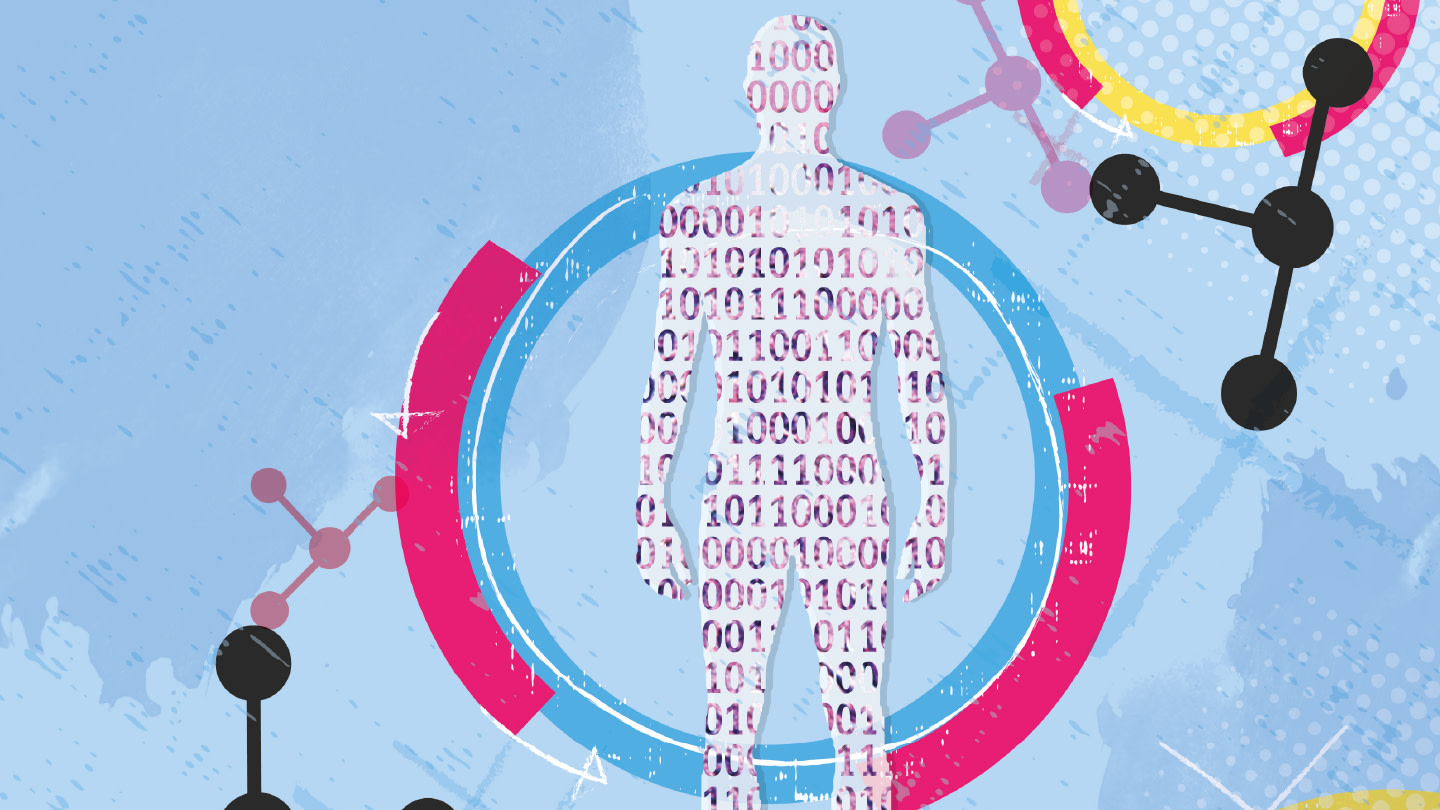
Digital pathology and artificial intelligence are enhancing diagnostic processes and laboratory efficiency.
Laboratory automation has improved turnaround times and reduced variability in test results.
Clinical Implications
The integration of molecular profiling and digital technologies in pathology enhances the precision of diagnostics.
Conclusion
The ongoing evolution of pathology is vital for advancing medical diagnostics and treatment strategies.