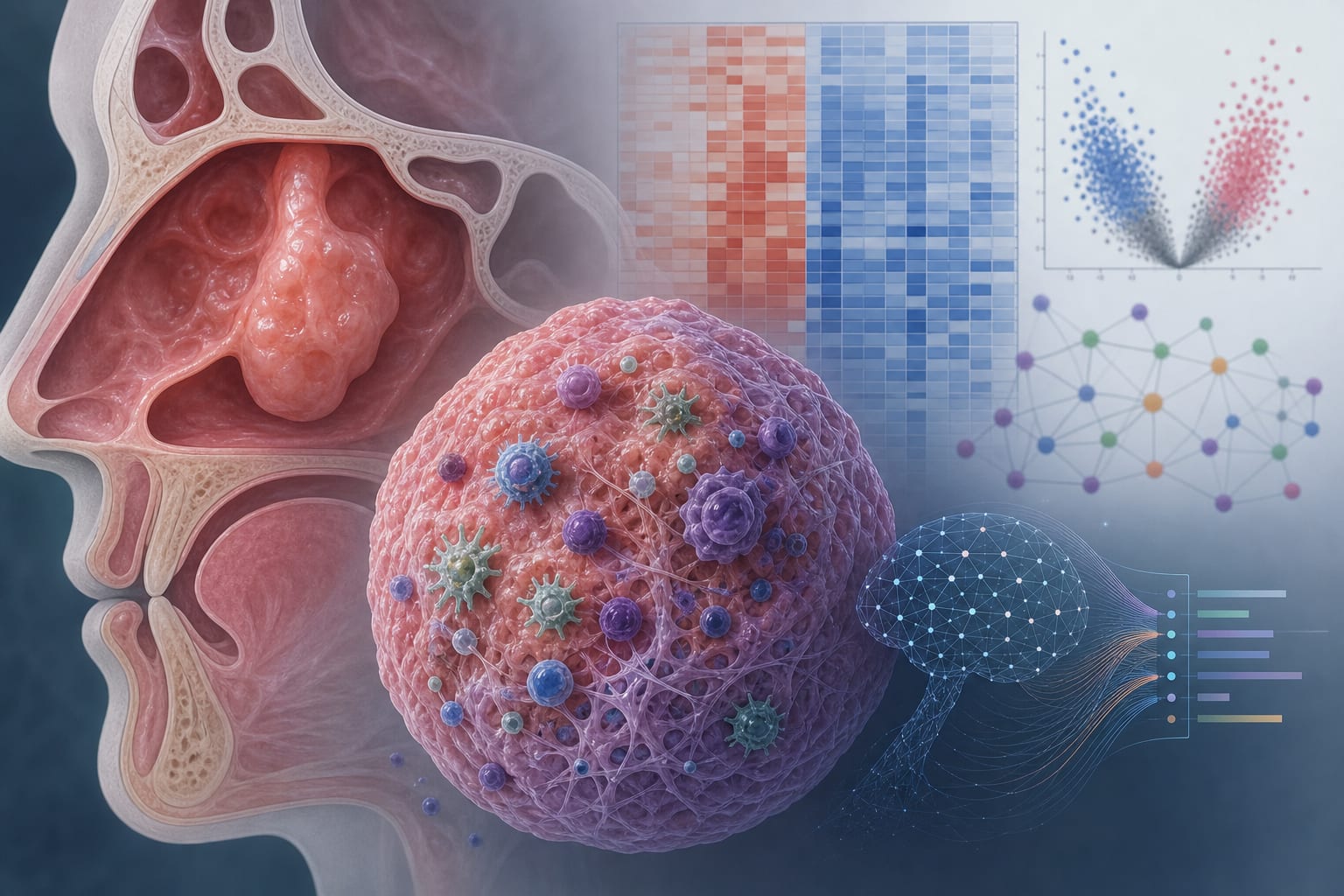
Diagnostic value and immune microenvironment regulatory network of metabolic reprogramming in chronic rhinosinusitis with nasal polyps identified by multidimensional transcriptome integration and machine learning - Report - MDSpire
Advertisement
Evaluating the Diagnostic Potential and Immune Microenvironmental Interactions of Metabolic Reprogramming in Chronic Rhinosinusitis with Nasal Polyps through Multidimensional Transcriptomic Analysis and Machine Learning Techniques
Clinical Report: Diagnostic Potential of Metabolic Reprogramming in CRSwNP
Overview
This study identifies 21 differentially expressed genes (DEGs) related to metabolic reprogramming in chronic rhinosinusitis with nasal polyps (CRSwNP), with a predictive model achieving high diagnostic performance. The findings enhance understanding of CRSwNP pathogenesis and suggest novel biomarkers for diagnosis and treatment.
Background
Chronic rhinosinusitis with nasal polyps (CRSwNP) is a prevalent inflammatory condition affecting 1-4% of the population, often associated with asthma and allergic rhinitis. Current treatment options, including corticosteroids and surgery, are limited by high recurrence rates and poor long-term outcomes. Understanding the molecular mechanisms underlying CRSwNP is crucial for developing effective diagnostic and therapeutic strategies.
Data Highlights
Gene
Role
ERBB4
Hub gene in metabolic reprogramming
FBP1
Risk factor for CRSwNP
HMGCS2
Hub gene in metabolic reprogramming
LYZ
Risk factor for CRSwNP
NDRG2
Risk factor for CRSwNP
PIP
Hub gene in metabolic reprogramming
PYCR1
Hub gene in metabolic reprogramming
SLC43A1
Hub gene in metabolic reprogramming
Key Findings
Identified 21 DEGs associated with metabolic reprogramming in CRSwNP.
Machine learning analysis revealed 8 hub genes with high diagnostic potential (AUC = 0.979).
Single-cell RNA sequencing showed distinct expression patterns of these genes across immune cell subsets.
Mendelian randomization analysis indicated that lower expression of FBP1, LYZ, and NDRG2 may be risk factors for CRSwNP.
Experimental validation confirmed downregulation of key genes in CRSwNP tissues.
Clinical Implications
The identification of metabolic reprogramming-related genes provides a potential pathway for developing molecular diagnostic tools for CRSwNP. Understanding the immune microenvironment's role in CRSwNP can guide targeted therapeutic strategies, particularly in patients with recurrent or refractory disease.
Conclusion
This study enhances the understanding of CRSwNP pathogenesis through the lens of metabolic reprogramming and highlights the potential for novel diagnostic and therapeutic approaches based on identified biomarkers.