Clinical Report: Investigating LARP1's Influence on Breast Cancer Development
Overview
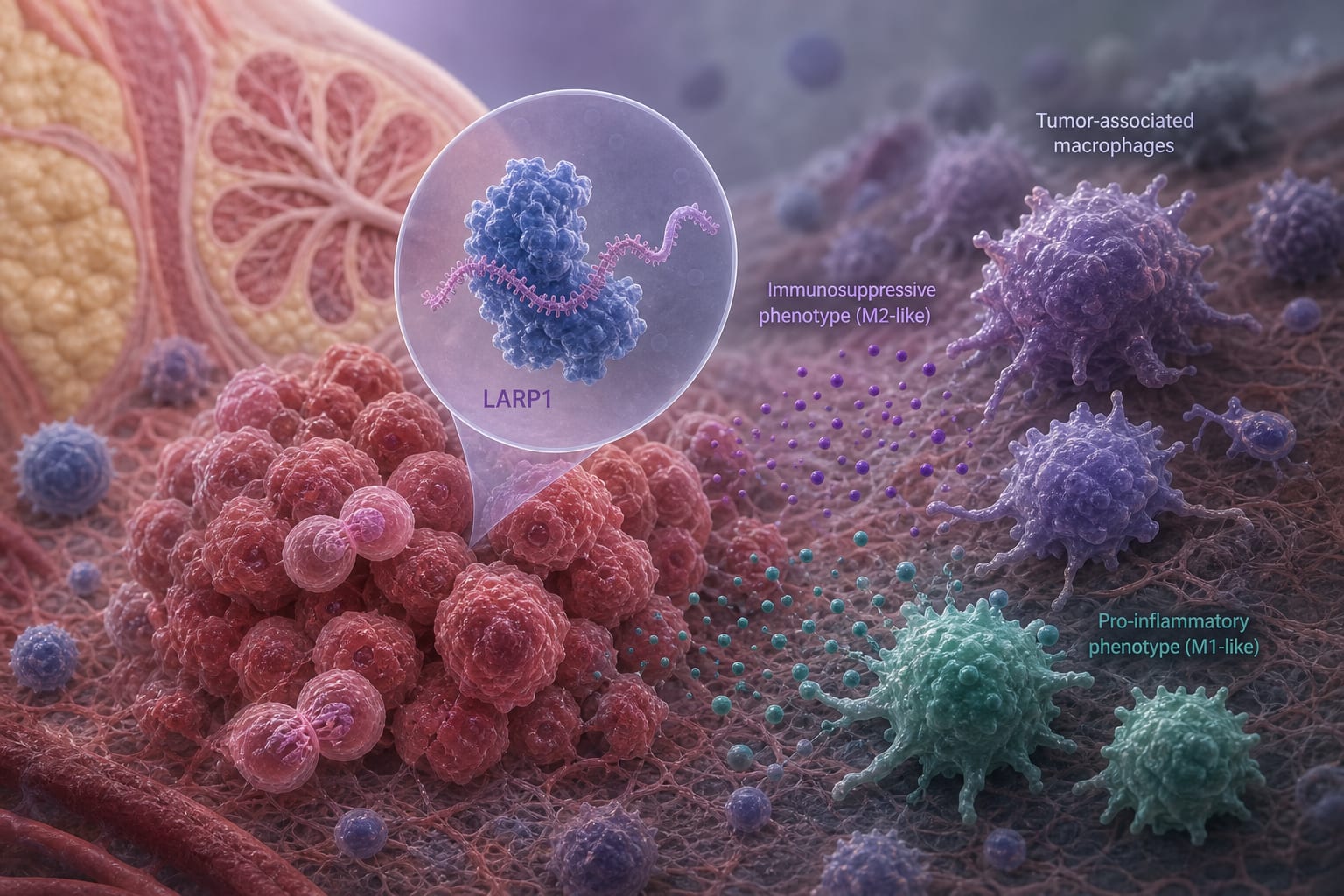
This study identifies LARP1 as a significant biomarker in breast cancer (BRCA), correlating its overexpression with poor survival outcomes. LARP1's role in immune modulation and tumor progression highlights its potential as a therapeutic target.
Background
Breast cancer remains the most prevalent cancer among women globally, with rising incidence rates. The identification of effective prognostic biomarkers is crucial for improving treatment strategies and patient outcomes, especially in metastatic cases where survival rates are notably low. LARP1, an RNA-binding protein involved in critical signaling pathways, may offer insights into tumor biology and therapeutic resistance.
Data Highlights
Parameter
Findings
LARP1 Expression
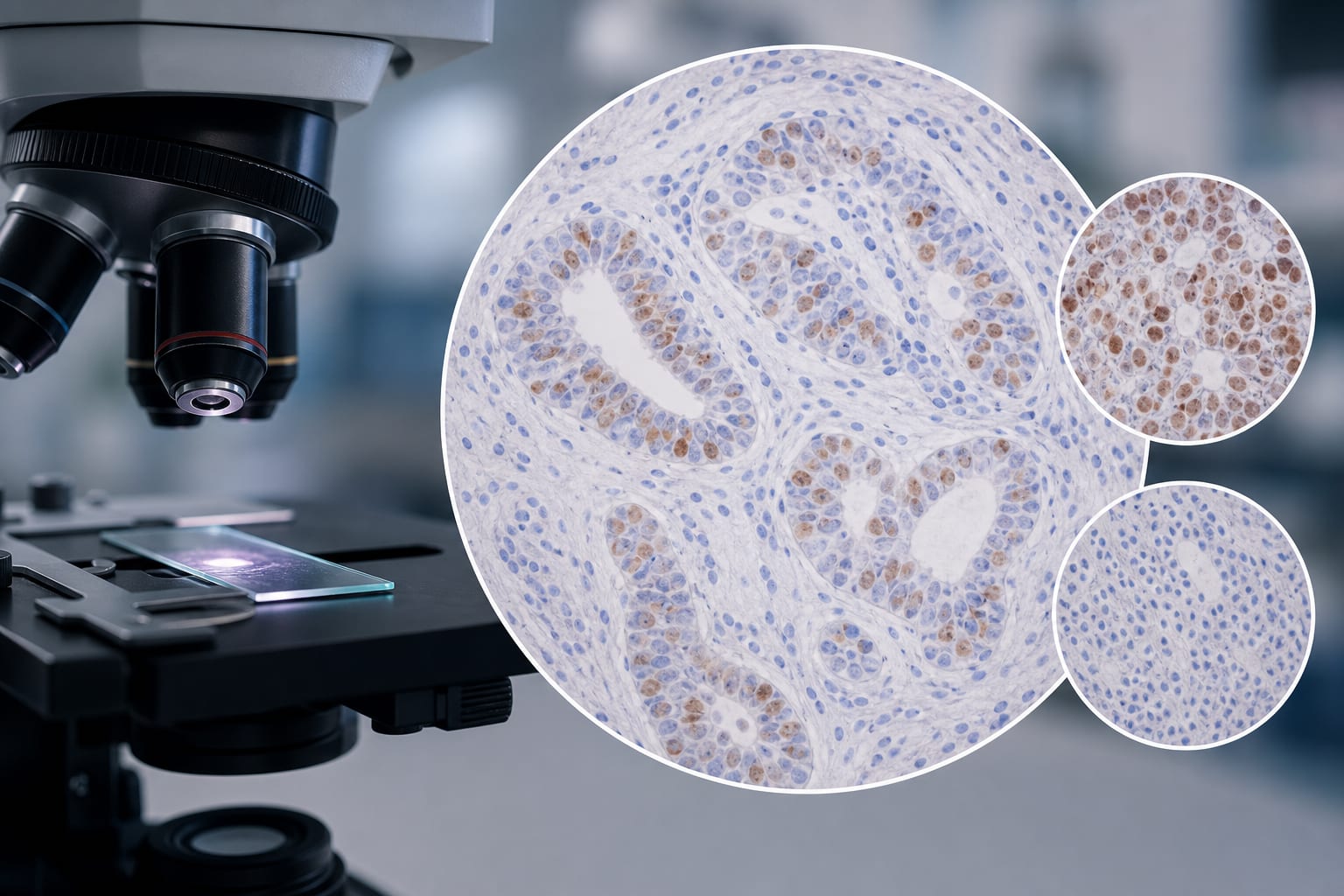
Overexpressed in BRCA tissues compared to normal tissues
Overall Survival (OS)
Negative correlation with LARP1 levels
Progression-Free Survival (PFS)
Negative correlation with LARP1 levels
TAM Polarization
Shift from M2 to M1 phenotype upon LARP1 silencing
Key Findings
LARP1 is significantly overexpressed in breast cancer tissues.
High LARP1 levels correlate with poor overall and progression-free survival.
Silencing LARP1 inhibits proliferation, migration, and invasion of breast cancer cells.
LARP1 downregulation promotes a shift in tumor-associated macrophages from M2 to M1 phenotype.
LARP1 expression positively correlates with M2 macrophages and negatively with M1 macrophages in clinical samples.
Clinical Implications
LARP1 may serve as a valuable prognostic biomarker and therapeutic target in breast cancer management. Its role in immune modulation suggests that targeting LARP1 could enhance treatment efficacy by altering the tumor microenvironment.
Conclusion
LARP1 is a critical player in breast cancer progression and immune evasion, making it a promising target for future therapeutic strategies. Further research is warranted to explore its potential in clinical applications.