Clinical Report: Efgartigimod in the Treatment of Generalized Myasthenia Gravis
Overview
Efgartigimod has shown significant efficacy in treating generalized myasthenia gravis (gMG), particularly in anti-acetylcholine receptor antibody-positive patients. The phase 3 ADAPT trial demonstrated rapid improvements in Myasthenia Gravis Activities of Daily Living (MG-ADL) scores with a favorable safety profile.
Background
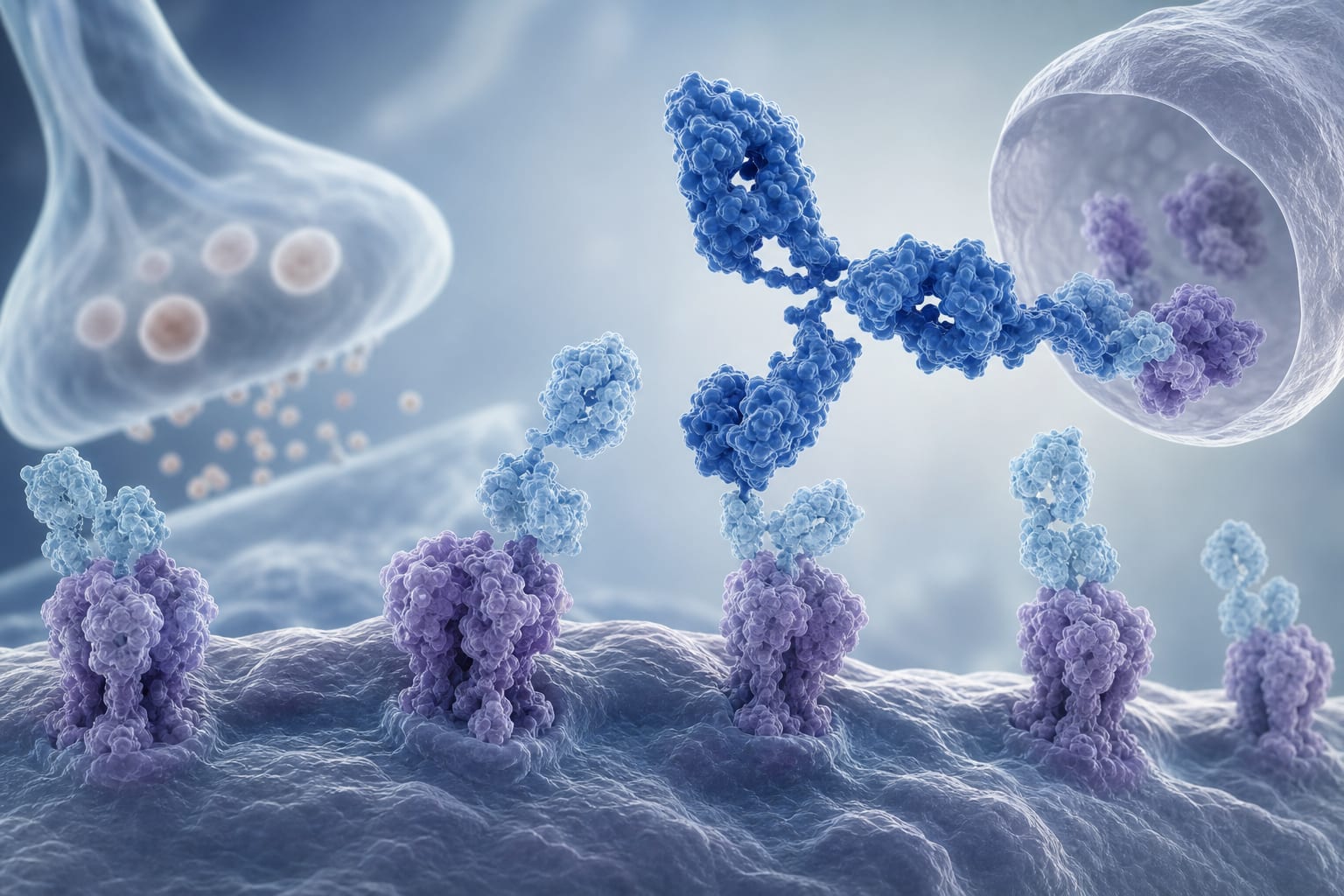
Generalized myasthenia gravis is a chronic autoimmune disorder that leads to muscle weakness due to pathogenic IgG autoantibodies. Approximately 20% of patients experience refractory disease or intolerable side effects from conventional therapies, highlighting the need for targeted biologics like efgartigimod. This agent represents a significant advancement in the management of gMG by modulating the neonatal Fc receptor to reduce pathogenic IgG levels.
Data Highlights
No specific numerical data provided in the source material.
Key Findings
Efgartigimod demonstrated rapid, clinically meaningful improvements in MG-ADL scores in AChR-Ab+ patients.
Long-term extension studies confirmed sustained efficacy and safety across multiple treatment cycles.
Real-world evidence supports rapid response and steroid-sparing effects in diverse patient populations, including antibody-negative individuals.
Emerging data indicate immunomodulatory effects beyond IgG reduction, affecting B-cell populations and gene expression.
Comparative efficacy against other biologics is under investigation, with efgartigimod distinguished by its rapid onset and cyclical administration.
Clinical Implications
Efgartigimod offers a targeted approach to managing gMG, particularly for patients who are refractory to conventional therapies. Its favorable safety profile and flexibility in dosing regimens enhance patient convenience and treatment adherence.
Conclusion
Efgartigimod represents a cornerstone of targeted immunotherapy in generalized myasthenia gravis, with ongoing research aimed at optimizing its use in various patient subsets and conditions.