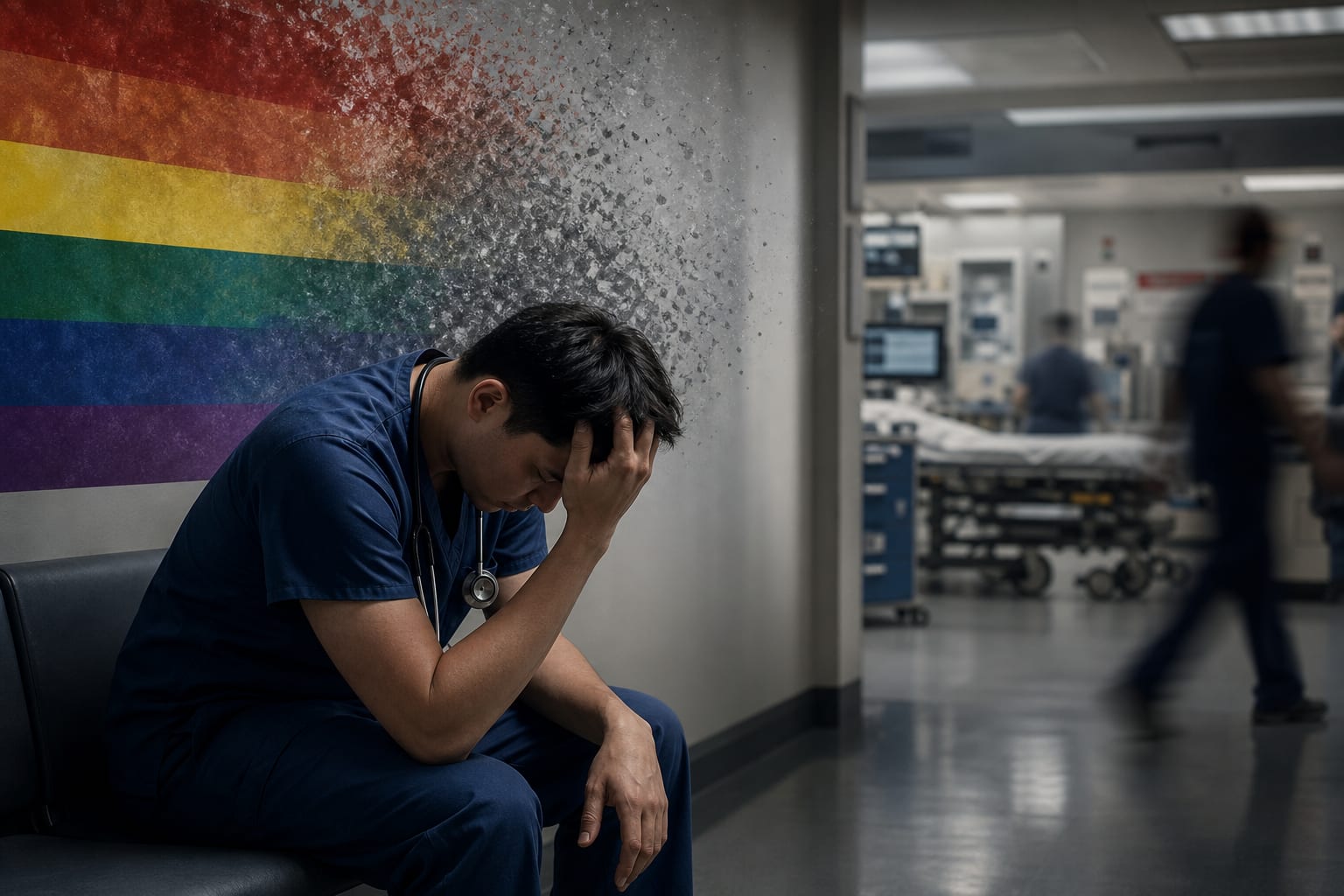
Burnout Levels in Emergency Medicine Residents Related to Sexual Orientation
Overview
This study investigates burnout levels among sexual minority emergency medicine residents, revealing that they experience higher rates of burnout compared to their heterosexual peers.
Background
Burnout is a significant concern in the medical field, particularly among emergency medicine residents, where rates can exceed 60%. This study addresses the unique stressors faced by sexual minority residents, who may experience compounded challenges related to their identity, contributing to higher burnout levels.
Data Highlights
The study utilized survey data from the 2024 In-Training Exam postexamination survey, with 9478 emergency medicine residents participating. The abbreviated Copenhagen Burnout Inventory assessed burnout across three domains: personal, work-related, and patient-related.
Key Findings
Burnout prevalence among emergency medicine residents is notably high, with rates reaching 76.1% in prior studies.
Sexual minority trainees reported higher burnout levels, with an adjusted odds ratio of 1.47 compared to heterosexual peers.
Minority stress theory suggests that unique stressors contribute to increased burnout in sexual minority residents.
Emergency medicine is identified as the specialty with the highest rate of physician burnout.
Clinical Implications
The findings underscore the necessity for residency programs to implement supportive measures tailored to the needs of sexual minority residents. Addressing burnout through targeted interventions may improve overall resident well-being and training outcomes.
Conclusion
This study highlights the heightened risk of burnout among sexual minority emergency medicine residents, necessitating focused efforts to enhance their support and well-being during residency training.