Clinical Report: Treatment of a Goldenhar Syndrome Patient With Zygomatic and Pterygoid Implants Using the PATZi Protocol
Overview
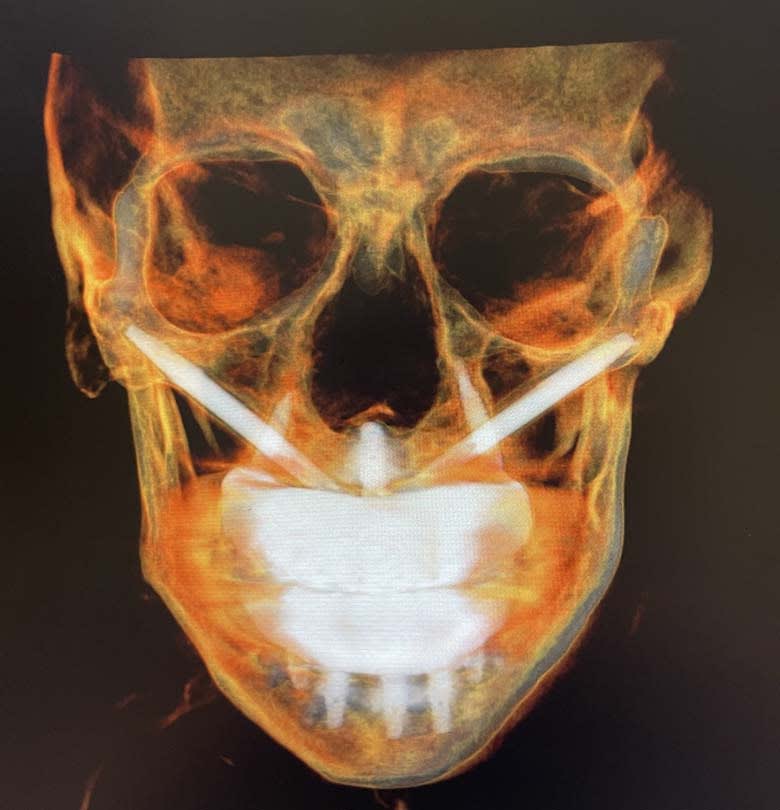
This case report details the dental implant treatment of a 61-year-old female patient with Goldenhar syndrome, utilizing zygomatic and pterygoid implants. The patient has functioned for nearly 5 years post-surgery.
Background
Goldenhar syndrome is a rare congenital disorder characterized by craniofacial anomalies, affecting approximately 1 in 5,600 live births. It often leads to significant dental complications due to asymmetric underdevelopment of craniofacial structures.
Data Highlights
The patient received a combination of zygomatic, pterygoid, and conventional dental implants using the PATZi protocol. All implants were immediately loaded, and final restorations were completed after 7 months of healing.
Key Findings
Goldenhar syndrome is associated with various systemic maladies and craniofacial anomalies.
The patient in this case report underwent treatment with zygomatic and pterygoid implants.
All implants were immediately loaded.
The patient has maintained function for nearly 5 years following the procedure.
Clinical Implications
The use of remote anchorage implants in this case suggests a method for addressing the prosthetic needs of adults with Goldenhar syndrome.
Conclusion
This case report documents the use of zygomatic and pterygoid implants for dental rehabilitation in a patient with Goldenhar syndrome.