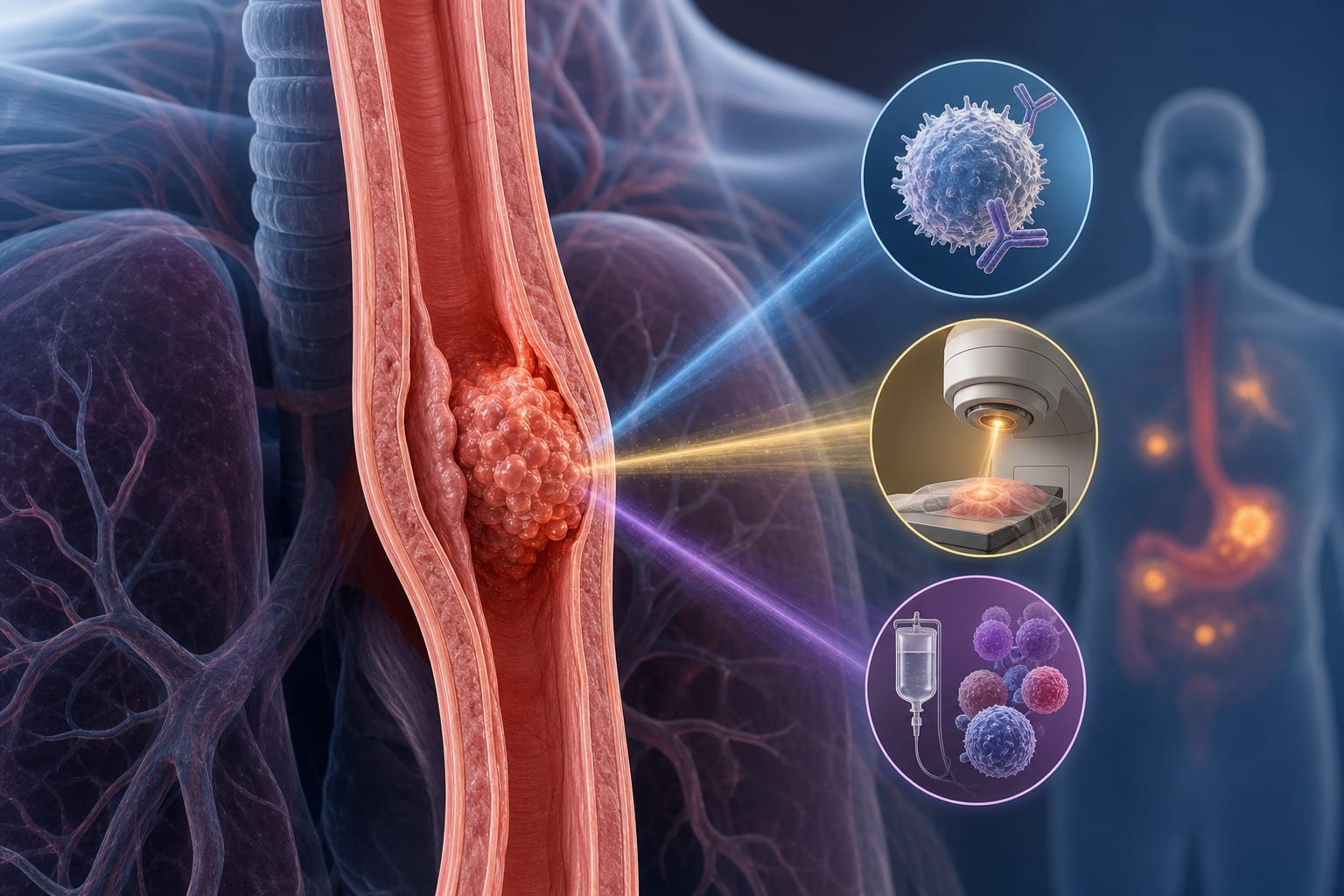
Clinical Report: Overview of Blood Glucose Control During Surgery for Patients with Liver Cancer
Background
Primary liver cancer is a significant global health concern, with liver resection being a common treatment. Patients often experience stress-induced hyperglycemia due to hepatic insufficiency.
Data Highlights
A total of 14 documents were included in the evidence synthesis, comprising guidelines, systematic reviews, expert consensus statements, and randomized controlled trials relevant to perioperative glycemic management in liver cancer patients.
Key Findings
Patients with liver cancer are at high risk for perioperative stress-induced hyperglycemia.
Postoperative complications can occur in 18.9% to 53.3% of liver resection patients.
Prolonged hyperglycemia impairs liver regeneration and increases the risk of infections and liver failure.
Hypoglycemia can be a clinical manifestation of paraneoplastic syndrome in hepatocellular carcinoma.
Elevated postoperative fasting blood glucose levels are an independent risk factor for cancer recurrence.
Clinical Implications
Perioperative glycemic management is critical for liver cancer patients to minimize complications.