Clinical Report: Advancements in Nutritional Science for Peripheral Arterial Disease
Background
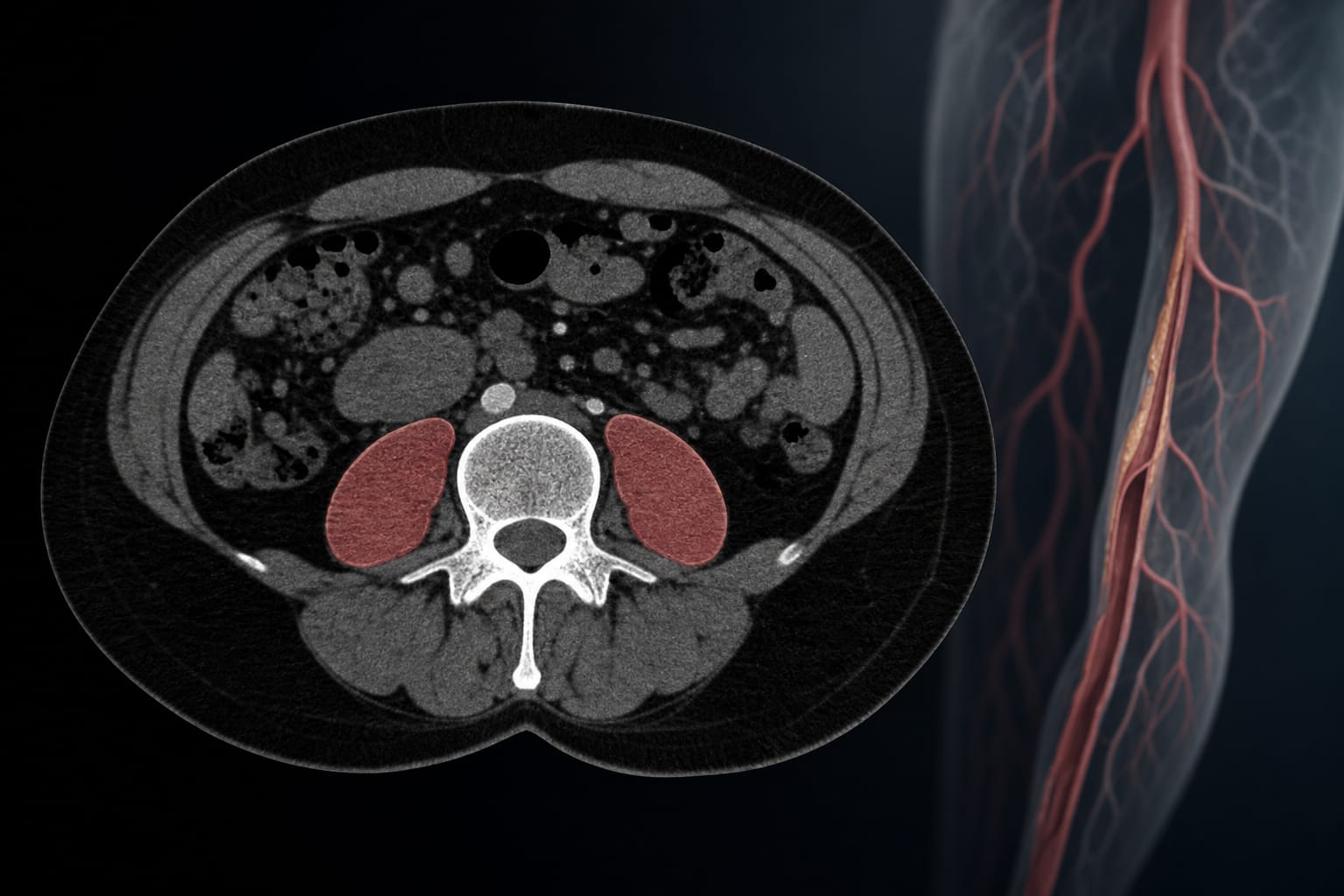
Peripheral arterial disease (PAD) is associated with significant morbidity and mortality, with a 41% mortality rate and a 10% risk of major limb amputation within five years of revascularization. Despite advancements in medical technology, many patients continue to experience poor healing and disease progression.
Data Highlights
No specific numerical data or trial data presented in the article.
Key Findings
Patients with PAD often suffer from malnutrition, with over 75% affected due to factors like immobility and co-morbidities.
Micronutrient deficiencies are prevalent, with 75% of patients showing vitamin C deficiency and 50% zinc deficiency.
Up to 50% of PAD patients experience concurrent muscle wasting and vulnerability.
Gut dysbiosis linked to poor dietary choices may exacerbate PAD progression.
Clinical Implications
Healthcare providers should consider integrating nutritional assessments and interventions into the management plans for PAD patients to address malnutrition and support wound healing. Personalized nutrition care is essential to meet the unique needs of these patients.
Conclusion
Nutritional science presents a promising avenue for improving outcomes in PAD management, highlighting the need for further research and incorporation of dietary strategies in clinical guidelines.