Correction: MAPRE2 is associated with macrophage-enriched innate immune dysregulation and malignant phenotypes in hepatocellular carcinoma - Report - MDSpire
Advertisement
Correction: MAPRE2 is associated with macrophage-enriched innate immune dysregulation and malignant phenotypes in hepatocellular carcinoma
Clinical Report: Correction on MAPRE2 and Macrophage Dysregulation in HCC
Overview
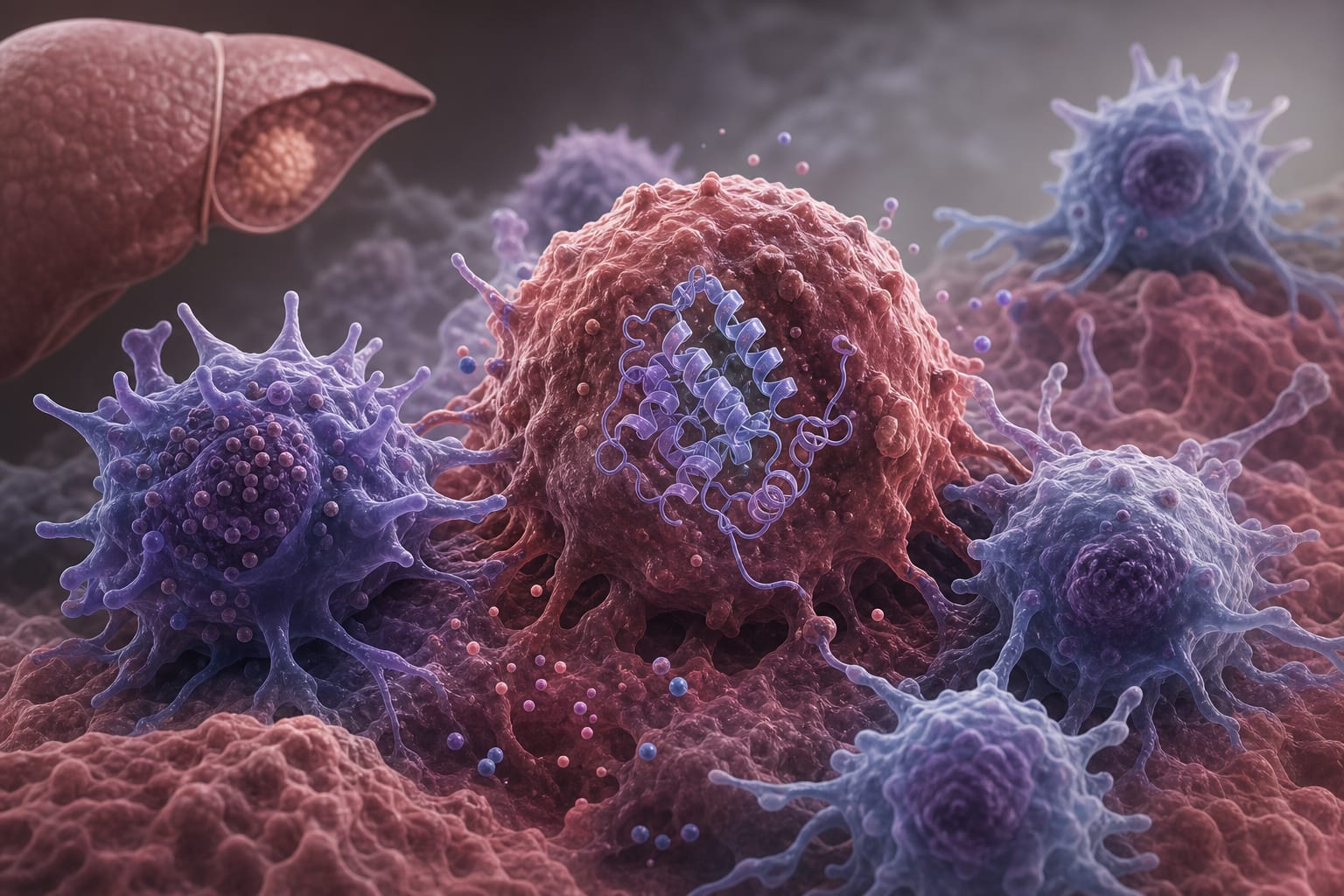
This report addresses a correction regarding the association of MAPRE2 with macrophage-enriched innate immune dysregulation in hepatocellular carcinoma (HCC). The correction pertains to an error in the representative microscopy image in the original publication, which may have implications for the interpretation of the data, while the quantitative data and conclusions remain unchanged.
Background
Hepatocellular carcinoma (HCC) is a leading cause of cancer-related mortality, accounting for over 80% of primary liver cancer cases. Understanding its molecular underpinnings is crucial for developing effective treatments. The role of macrophages in the tumor microenvironment is increasingly recognized, as they can influence tumor progression and immune responses. Accurate representation of experimental data is essential for the integrity of scientific findings and clinical applications.
Data Highlights
No new numerical data presented; the correction pertains solely to a figure image, which is critical for accurate interpretation of the study's findings.
Key Findings
The correction involved a microscopy image error in Figure 7A of the original article.
The quantitative cell-count data and statistical analyses were confirmed to be accurate.
The conclusions regarding MAPRE2's role in HCC remain unchanged.
MAPRE2 is implicated in macrophage-enriched innate immune dysregulation, which may affect tumor behavior.
Understanding the immune microenvironment is critical for HCC treatment strategies.
Clinical Implications
Clinicians should be aware of the importance of accurate data representation in research, as it impacts the interpretation of findings related to HCC. Continued investigation into the role of macrophages and molecular factors in HCC, particularly MAPRE2, may inform future therapeutic approaches.
Conclusion
The correction emphasizes the need for meticulous data verification in scientific publications, which is vital for clinical practice. Ongoing research into MAPRE2 and its implications in HCC remains essential for advancing treatment options.