Childhood Obesity and Its Association with Long Bone Fractures: A Systematic Review
-
By
-
Ahmed Aly
-
Tarek Aly
-
March 10, 2026
Childhood Obesity and Long Bone Fractures: Systematic Review Findings
Overview
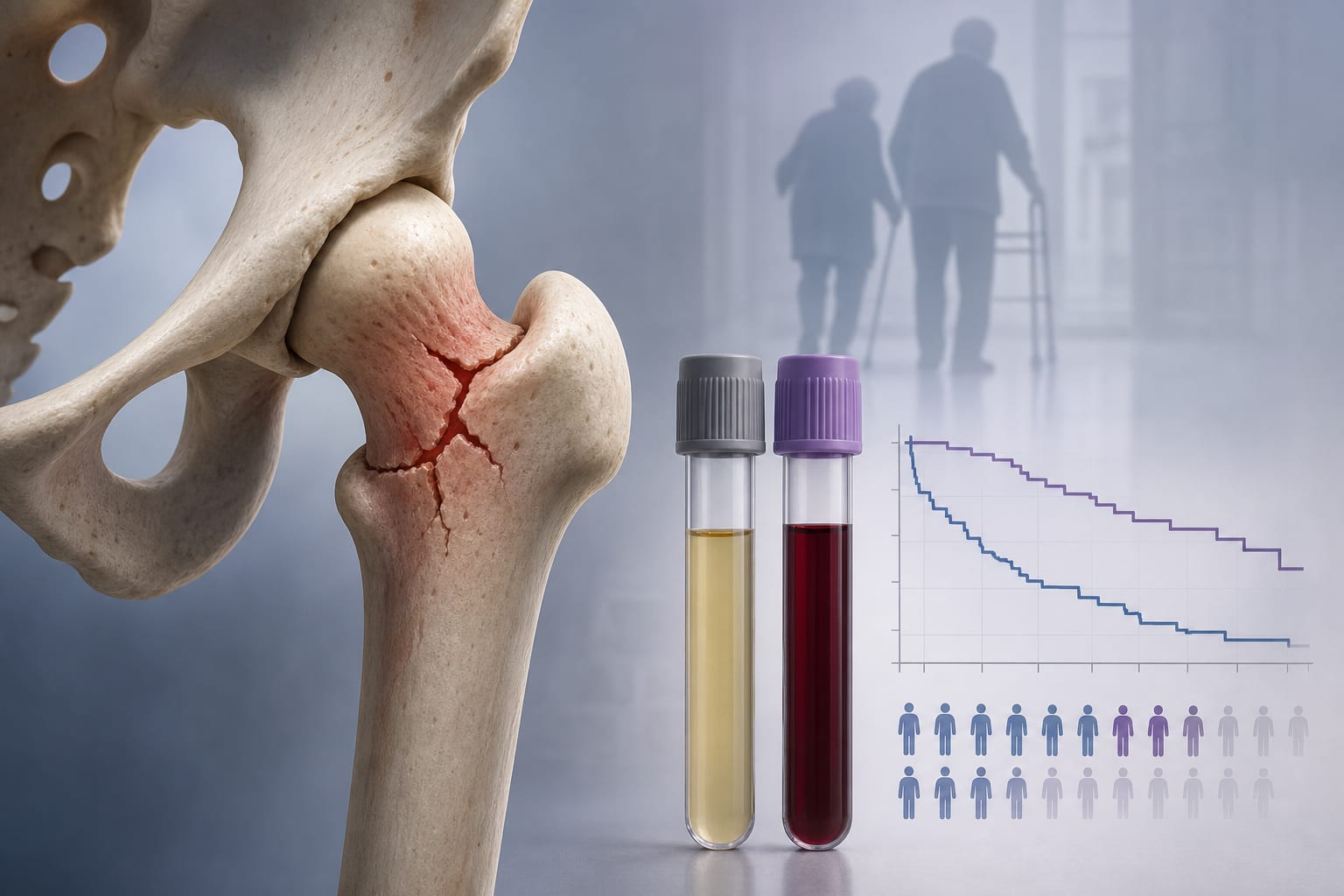
This systematic review evaluates the association between childhood obesity and the risk, pattern, and outcomes of long bone fractures. Evidence suggests that obesity influences fracture risk and anatomical injury patterns, with complex physiological and mechanical factors contributing to bone health alterations in obese children.
Background
Childhood obesity rates have tripled since the 1970s, with significant implications for pediatric orthopedic health. Obesity is linked to specific bone conditions and may alter fracture risk and healing due to changes in bone physiology, mechanical loading, and chronic inflammation. Insulin resistance and inflammatory cytokines disrupt bone remodeling pathways, potentially increasing fracture susceptibility and complicating management. Understanding these relationships is critical for optimizing care in obese pediatric patients with fractures.
Data Highlights
From 2,152 screened papers, 14 studies met inclusion criteria assessing obesity's impact on long bone fractures in children aged 0–19 years. Studies varied in design and quality, with obesity defined as BMI ≥85th or ≥95th percentile. Outcomes included fracture incidence, anatomical patterns, complications, and management approaches. Due to heterogeneity, no meta-analysis was performed; findings were synthesized qualitatively.
Key Findings
- Obese children show altered anatomical patterns of long bone fractures compared to normal-weight peers.
- Obesity is associated with increased risk of certain fracture types, potentially due to mechanical loading and bone quality changes.
- Chronic low-grade inflammation in obesity negatively affects trabecular bone quality via cytokine-mediated pathways involving RANKL/RANK/OPG.
- Insulin resistance in obese children promotes adipogenesis over osteoblastogenesis, reducing bone formation and potentially increasing fracture risk.
- Obese pediatric patients may experience more complex fracture management and complications, although injury severity and mortality rates are similar to non-obese children.
- Current evidence is limited by single-institution studies and heterogeneity, underscoring the need for larger, multicenter research.
Clinical Implications
Clinicians should recognize that obesity in children alters fracture risk and bone healing dynamics, necessitating tailored management strategies. Awareness of the inflammatory and metabolic factors affecting bone health can guide prevention and treatment approaches. Early intervention addressing obesity may reduce fracture incidence and improve orthopedic outcomes in this population.
Conclusion
Childhood obesity significantly impacts long bone fracture risk and outcomes through complex physiological and mechanical mechanisms. Further high-quality, multicenter studies are needed to clarify these associations and optimize clinical care.
References
- CDC/2025 -- Pediatric Body Weight Classifications and Trends
- Systematic Review Authors/2025 -- Childhood Obesity and Its Association with Long Bone Fractures
Based on findings from:
Obesity and long bone fractures in children. Systematic review
Ahmed Aly, Tarek Aly. Archives Of Orthopaedic And Trauma Surgery, 2026.
https://link.springer.com/article/10.1007/s00402-026-06221-7
This content is an AI-generated, fully rewritten summary based on a published scholarly article. It does not reproduce the original text and is not a substitute for the original publication. Readers are encouraged to consult the source for full context, data, and methodology.