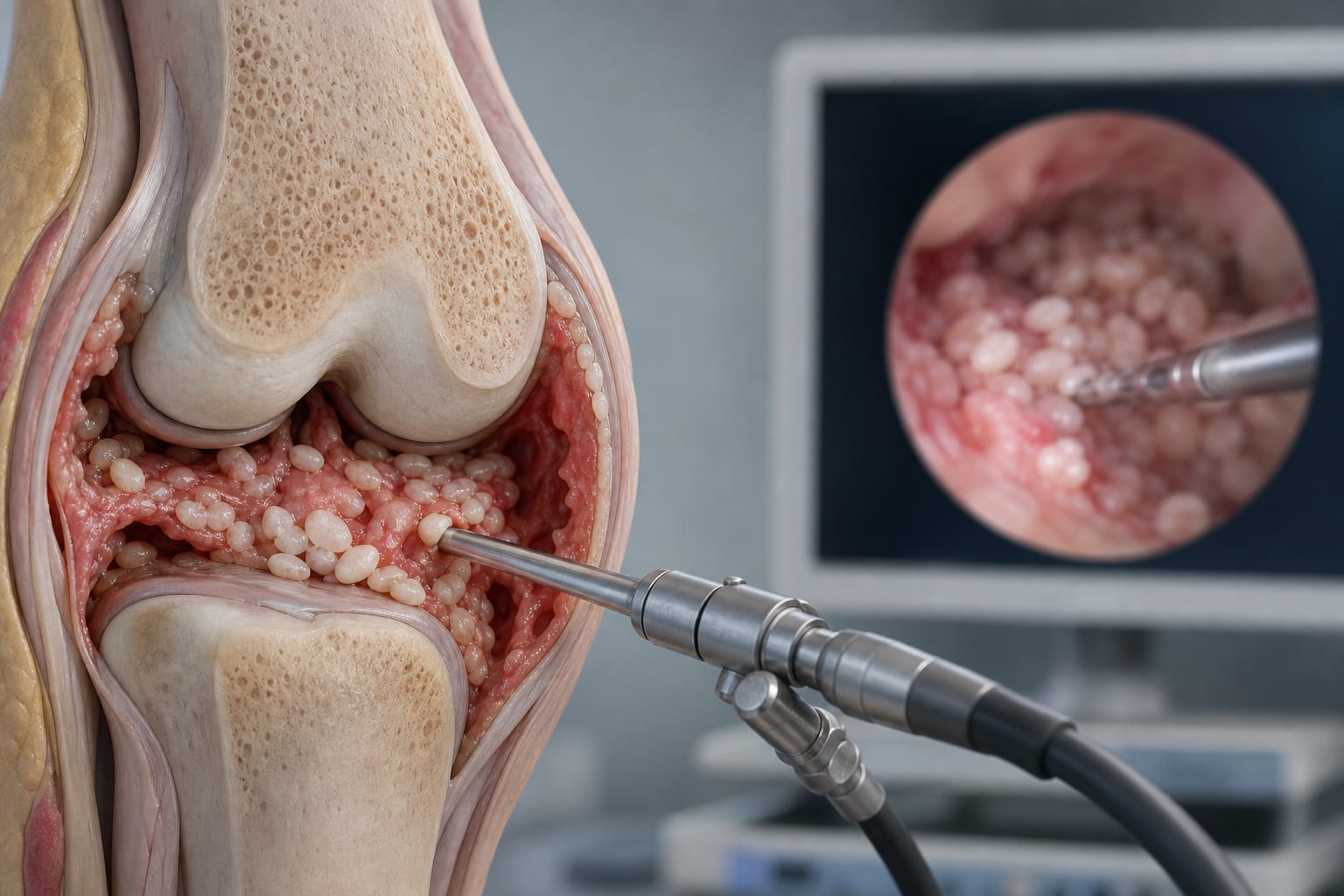
Rice body synovitis in children: a retrospective study of 6 cases and a systematic literature review of the last two decades (2006–2026) - Report - MDSpire
Advertisement
Rice body synovitis in children: a retrospective study of 6 cases and a systematic literature review of the last two decades (2006–2026)
Clinical Report: Pediatric Rice Body Synovitis: A Retrospective Analysis
Overview
This report examines six pediatric cases of rice body synovitis (RBS) and highlights its association with autoimmune disorders, particularly Juvenile Idiopathic Arthritis (JIA). The findings underscore the importance of MRI for diagnosis and a collaborative management approach between rheumatology and orthopedics.
Background
Rice body synovitis (RBS) is increasingly recognized as a manifestation of chronic synovial inflammation in pediatric autoimmune conditions, notably JIA. Accurate diagnosis is critical, as misidentification can lead to inappropriate treatment and joint damage. Understanding the evolving etiology of RBS is essential for effective management in pediatric rheumatology.
RBS is linked to JIA, tuberculosis, and non-specific synovitis in pediatric patients.
MRI is highly specific for diagnosing RBS, revealing characteristic rice bodies.
Surgical debridement provides immediate symptom relief, but recurrence may occur, particularly in JIA cases.
JIA is increasingly recognized as the predominant cause of RBS in clinical practice.
Management requires a coordinated approach between rheumatology and orthopedics, integrating imaging and immunomodulatory therapies.
Clinical Implications
Healthcare professionals should prioritize MRI for the diagnosis of RBS in pediatric patients, especially when autoimmune disorders are suspected. A multidisciplinary approach involving both rheumatology and orthopedics is essential for effective management and to prevent complications from misdiagnosis.
Conclusion
RBS represents a significant clinical entity in pediatric rheumatology, primarily associated with JIA. A comprehensive understanding of its etiology and a collaborative management strategy are crucial for improving patient outcomes.