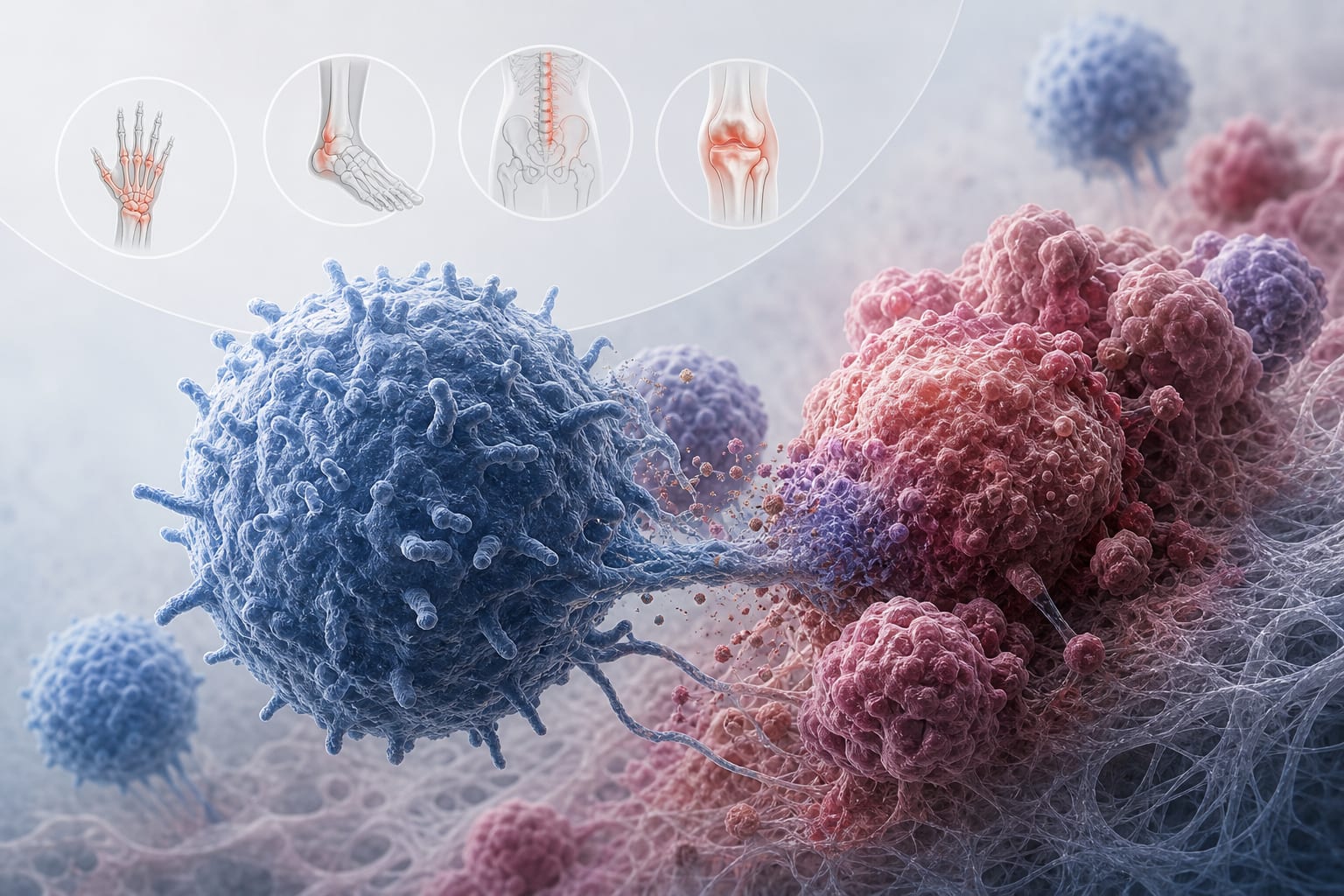
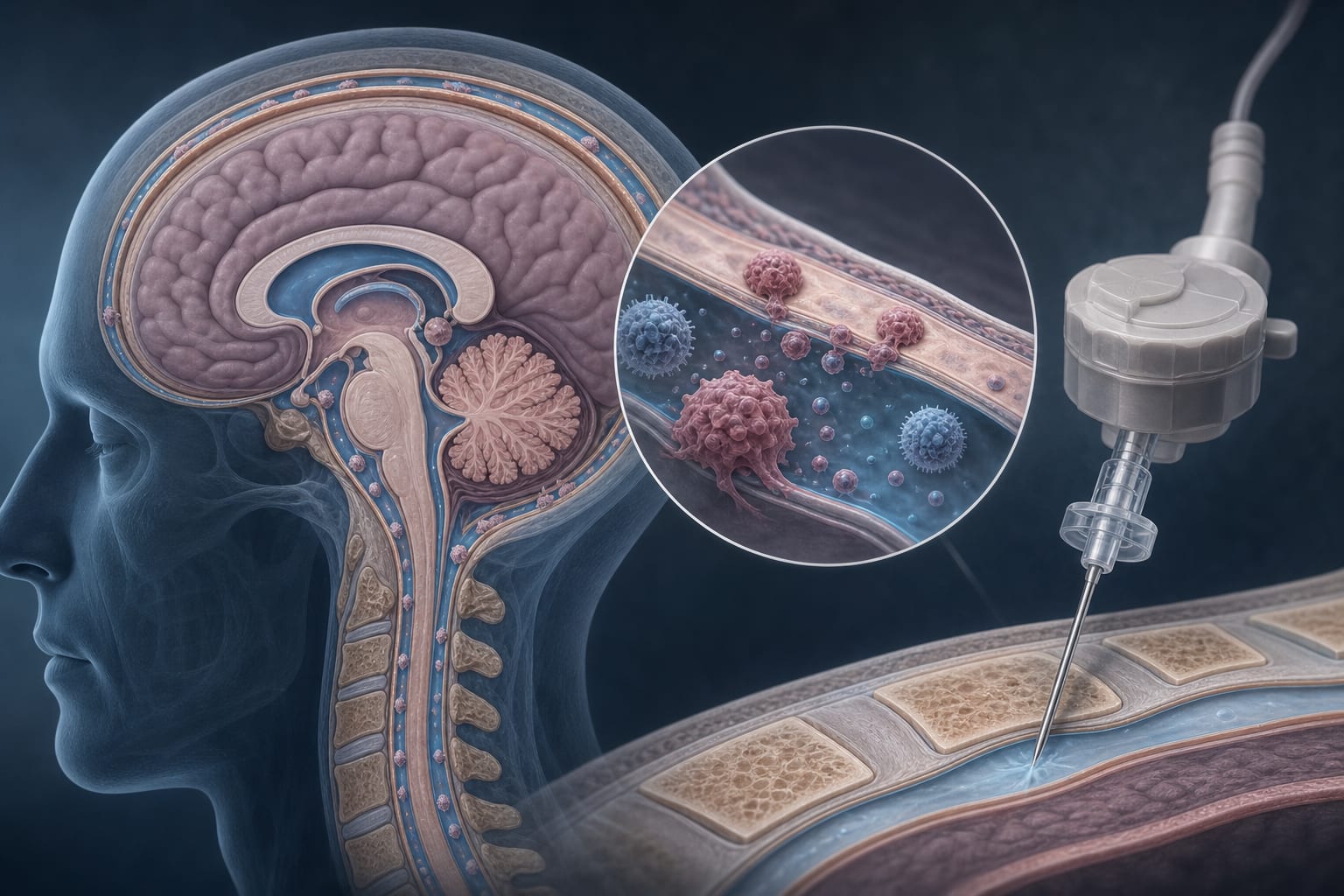
This study presents the development and efficacy of Oncostatin-M ligand-based CAR-T cells in targeting osteosarcoma. The findings indicate significant anti-tumor activity in both in vitro and in vivo models, suggesting a promising new therapeutic avenue for this challenging malignancy.
Background
Osteosarcoma is the most prevalent solid tumor in children and adolescents, with a historically low survival rate that has only recently improved. Despite advancements in treatment, including immunotherapy, there has been little progress in effective therapies for osteosarcoma over the past three decades. The introduction of CAR-T therapy targeting specific antigens presents a potential breakthrough in the treatment of this aggressive cancer.
Data Highlights
High expression of Oncostatin-M receptors was observed in osteosarcoma patient cells and cell lines. OSM-CAR-T cells demonstrated effective cytotoxicity against these cells, releasing significant amounts of IFNγ in response. In vivo studies using patient-derived xenograft models confirmed the therapeutic efficacy of OSM-CAR-T cells against osteosarcoma.
Key Findings
OSM and its receptors are highly expressed in osteosarcoma cells, indicating a viable target for CAR-T therapy.
OSM-CAR-T cells effectively killed osteosarcoma cells in vitro and in vivo.
Significant release of IFNγ was observed from OSM-CAR-T cells upon interaction with osteosarcoma cells.
OSM-CAR-T therapy shows potential for broader application in other solid tumors expressing OSM receptors.
Development of a new pediatric patient-derived xenograft model facilitated the evaluation of OSM-CAR-T efficacy.
Clinical Implications
The findings suggest that targeting Oncostatin-M receptors with CAR-T therapy could provide a novel treatment option for osteosarcoma, particularly for patients with limited responses to current therapies. This approach may also pave the way for similar strategies in other solid tumors.
Conclusion
OSM-CAR-T therapy demonstrates significant promise in treating osteosarcoma, highlighting the need for further clinical trials to validate its efficacy and safety in patients.
by Daniel Feinberg, Vinayak Uppin, Saada Eid, Claire Fritz, Masahiro Hitomi, Akshaya Radhakrishnan, Kayla Klatt, Sung Hee Choi, Jay T Myers, Aarshvi Bhatt, Duncan Stearns, Irina Pateva, Zachary D C Burke, Alex Y Huang, Gary K Schwartz, Reshmi Parameswaran