Clinical Report: The Role of NLRP12 in Cancer: A Context-Sensitive Modulator
Overview
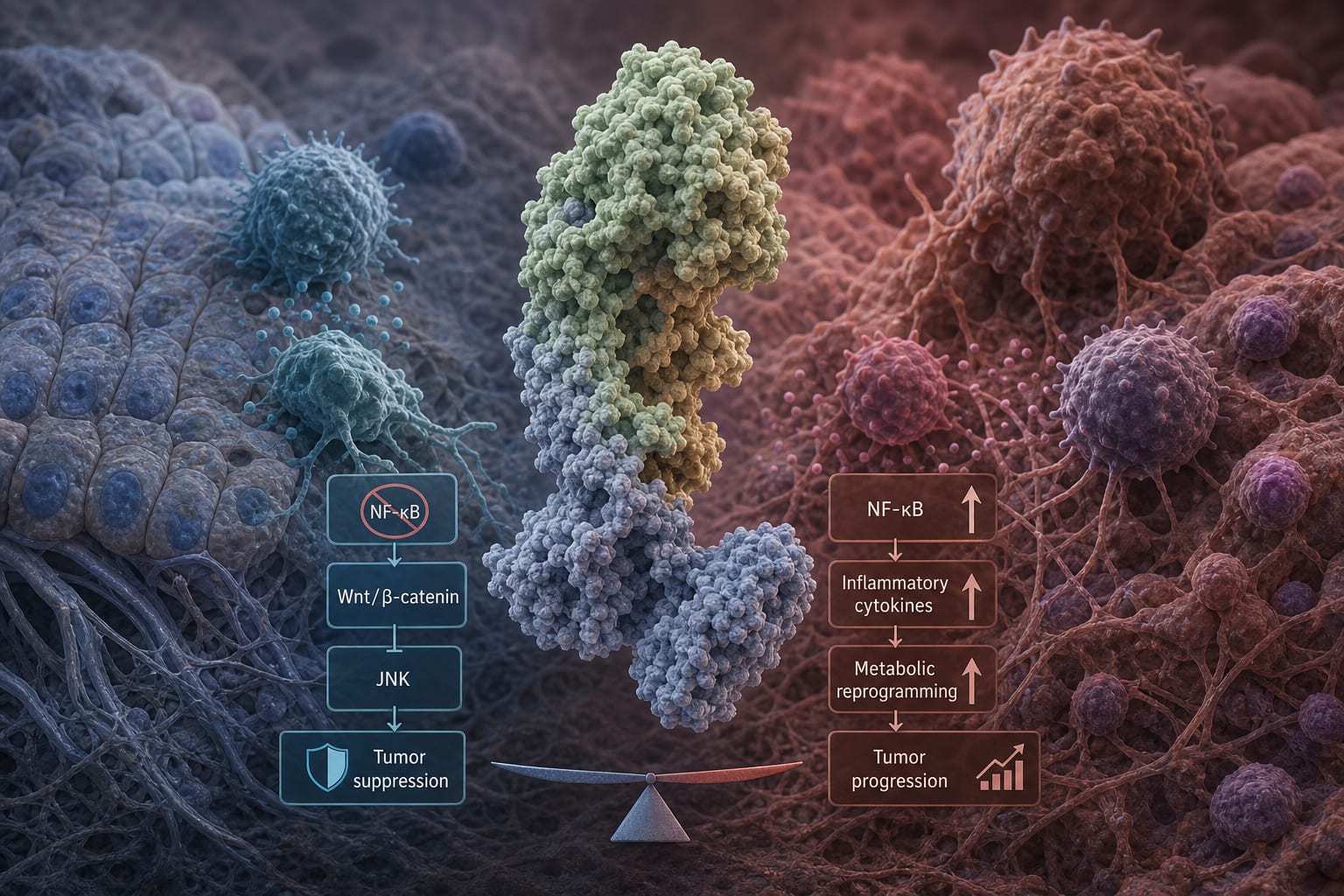
NLRP12 exhibits context-dependent roles in cancer, acting as either a tumor suppressor or promoter based on tumor type and microenvironment.
Background
NLRP12, a member of the NOD-like receptor family, has been identified as a significant player in cancer processes, influencing tumor behavior through its regulatory functions in inflammatory signaling and metabolic pathways.
Data Highlights
No numerical data available in the source material.
Key Findings
NLRP12 can function as a tumor suppressor in inflammation-associated malignancies like colorectal cancer and triple-negative breast cancer.
In certain cancers, such as gastric and ovarian cancer, NLRP12 may promote tumor progression through metabolic remodeling and immune suppression.
NLRP12 links inflammatory signaling pathways, including NF-κB, Wnt/β-catenin, and JNK, to tumor biology.
Context-specific mechanisms of NLRP12 suggest its influence on tumor-associated macrophage polarization and metabolic adaptation.
Clinical Implications
Understanding the dual roles of NLRP12 in various cancers may aid in the development of targeted therapies. Its potential as a biomarker could enhance patient stratification in clinical settings.
Conclusion
NLRP12 serves as a critical modulator in cancer, with its context-dependent functions offering insights into tumor biology and therapeutic strategies.