Immune dysregulation drives the relapse of peritoneal dialysis-associated peritonitis: a single-center prospective study - Report - MDSpire

Immune dysregulation drives the relapse of peritoneal dialysis-associated peritonitis: a single-center prospective study

  • By

  • Guang Yang

  • Xingbo Hong

  • Zhiwei Lai

  • Hua Zhang

  • Zuying Xiong

  • Zibo Xiong

  • July 3, 2026

  • 0 min

Share

Clinical Report: Immune System Imbalance Contributes to Recurrence of Peritoneal Dialysis-Related Peritonitis

Overview

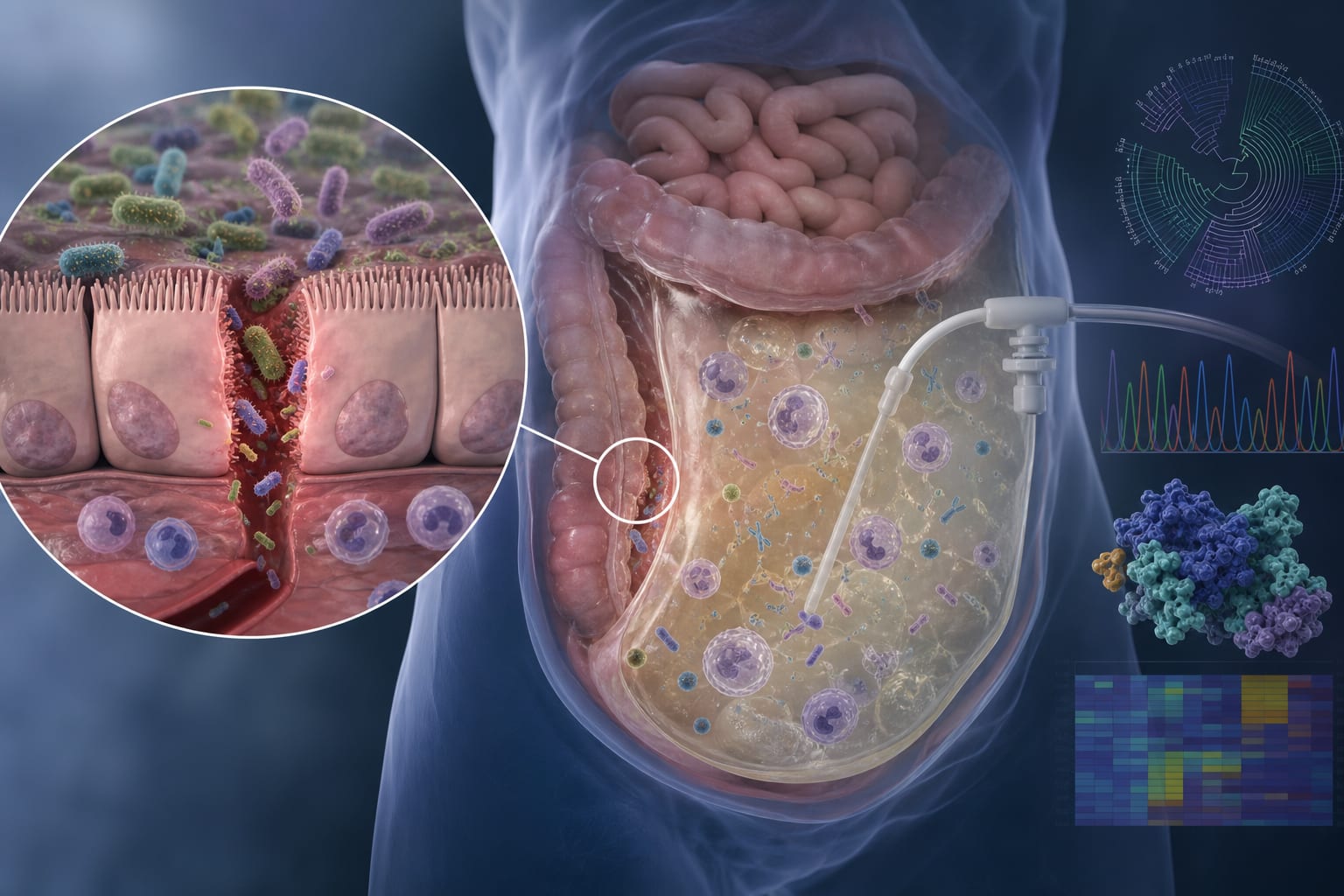
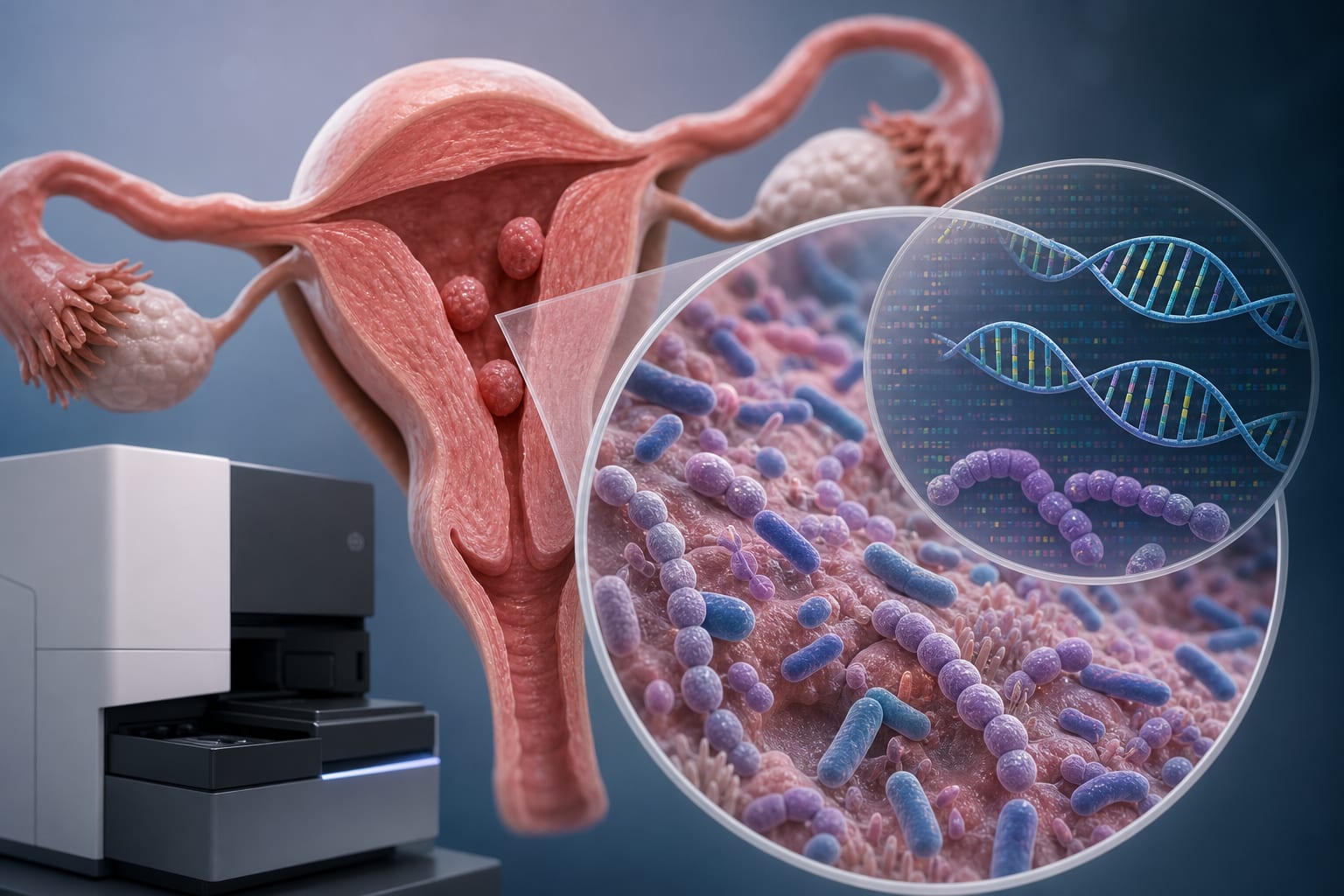
This study identifies biomarkers associated with relapsing peritoneal dialysis-associated peritonitis (PDAP) and highlights the role of immune dysregulation and gut bacterial translocation in relapse. The combination of conventional culture and 16S rDNA sequencing significantly improves pathogen detection rates.

Background

Relapsing PDAP presents a significant clinical challenge, often leading to prolonged antibiotic use and poor patient outcomes. Current diagnostic methods frequently fail to identify pathogens. This study aims to identify the role of immune responses in PDAP relapse.

Data Highlights

MethodPositivity Rate
Conventional Culture64.5%
16S rDNA Sequencing67.8%
Combined Methods83.9%

Key Findings

  • Relapsing PDAP is linked to peritoneal immune dysregulation and gut bacterial translocation.
  • A biomarker panel (CCL28, CD40, uPA, NRTN) differentiates relapse from cure.
  • 16S rDNA sequencing enhances pathogen detection rates to 83.9% when combined with conventional culture.
  • Proteomic profiling indicates downregulation of CCL28, CD40, and uPA, and upregulation of NRTN in the relapse group.
  • Bioinformatic analysis reveals dysregulation in pathways related to inflammation, fibrinolysis, and immune clearance.

Clinical Implications

The findings indicate the potential for integrating advanced diagnostic tools like 16S rDNA sequencing to facilitate timely interventions.

Conclusion

This study highlights the role of immune dysregulation in relapsing PDAP and the potential of advanced diagnostic methods.
Related Resources & Content

  1. ISPD peritonitis guideline recommendations: 2022 update on prevention and treatment, 2022
  2. Risk prediction models for peritoneal dialysis-associated peritonitis: a systematic review and meta-analysis, PubMed, 2026
  3. Frontiers in Medicine — Infectious disease outcomes in end-stage renal disease: the influence of dialysis type on patient vulnerability in Hail region
  4. Infection — Fungal Peritonitis in Patients Undergoing Peritoneal Dialysis: A Five-Year Analysis from a Center in Northern China
  5. BMC Gastroenterology — Prevalence, microbiological profile, and outcomes of spontaneous bacterial and fungal peritonitis in Egyptian patients with liver cirrhosis
  6. Frontiers in Immunology — ILC Imbalance – A New Piece in the Gut-Kidney Axis Puzzle
  7. Infectious disease outcomes in end-stage renal disease: the influence of dialysis type on patient vulnerability in Hail region
  8. Fungal Peritonitis in Patients Undergoing Peritoneal Dialysis: A Five-Year Analysis from a Center in Northern China
  9. ISPD peritonitis guideline recommendations: 2022 update on prevention and treatment - Philip Kam-Tao Li, Kai Ming Chow, Yeoungjee Cho, Stanley Fan, Ana E Figueiredo, Tess Harris, Talerngsak Kanjanabuch, Yong-Lim Kim, Magdalena Madero, Jolanta Malyszko, Rajnish Mehrotra, Ikechi G Okpechi, Jeff Perl, Beth Piraino, Naomi Runnegar, Isaac Teitelbaum, Jennifer Ka-Wah Wong, Xueqing Yu, David W Johnson, 2022
  10. Risk prediction models for peritoneal dialysis-associated peritonitis: a systematic review and meta-analysis - PubMed
  11. Diagnostic Accuracy of MMP-8 and IL-6-Based Point-of-Care Testing to Detect Peritoneal Dialysis-Related Peritonitis: A Single-Center Experience | MDPI

Original Source(s)

Related Content