Undisclosed Active Drug Ingredients in Nonprescription Skin Products
-
By
-
Zaur Abilov
-
Michael J. James
-
Martina L. Porter
-
Yury V. Popov
-
October 8, 2026
Clinical Report: Undisclosed Active Drug Ingredients in Nonprescription Skin Products
Overview
In a targeted quality improvement study of 18 online nonprescription skin products, undeclared pharmacologically active ingredients were detected in 6 (33.3%). All six positive products contained clobetasol propionate, and two also contained an undeclared antifungal; the products’ labels disclosed none of these ingredients.
Background
Many online products claim to treat conditions such as psoriasis, eczema, dermatitis, or hyperpigmentation without listing clinically proven active ingredients. Prior investigations and regulatory actions have identified undeclared pharmacologically active ingredients in nonprescription skin products, including potent topical corticosteroids. The study authors note that a widely adopted standardized approach for systematically identifying these ingredients is unavailable. Unsupervised exposure to potent corticosteroids may cause adverse effects, including skin atrophy, steroid acne, dyspigmentation, and hypothalamic-pituitary-adrenal axis suppression.
Data Highlights
| Measure | Finding |
|---|---|
| Products evaluated | 18 preselected online products |
| Products with an undeclared pharmacologically active ingredient | 6 of 18 (33.3%); all 3 tested units from each positive product contained an ingredient |
| Clobetasol propionate detected | 6 products (33.3%) |
| Additional undeclared ingredients | Two clobetasol-positive products also contained miconazole or terbinafine |
| Clobetasol propionate concentration | Approximately 0.01% to 0.46%; maximum was 9.2 times the 0.05% concentration in FDA-approved topical formulations |
| Consumer engagement for positive products | More than 10,000 combined online reviews |
Key Findings
- Products were selected from major online retail platforms based on disease-related efficacy claims, absence of listed clinically proven ingredients, consumer engagement, or prior reports and product features associated with previously identified products.
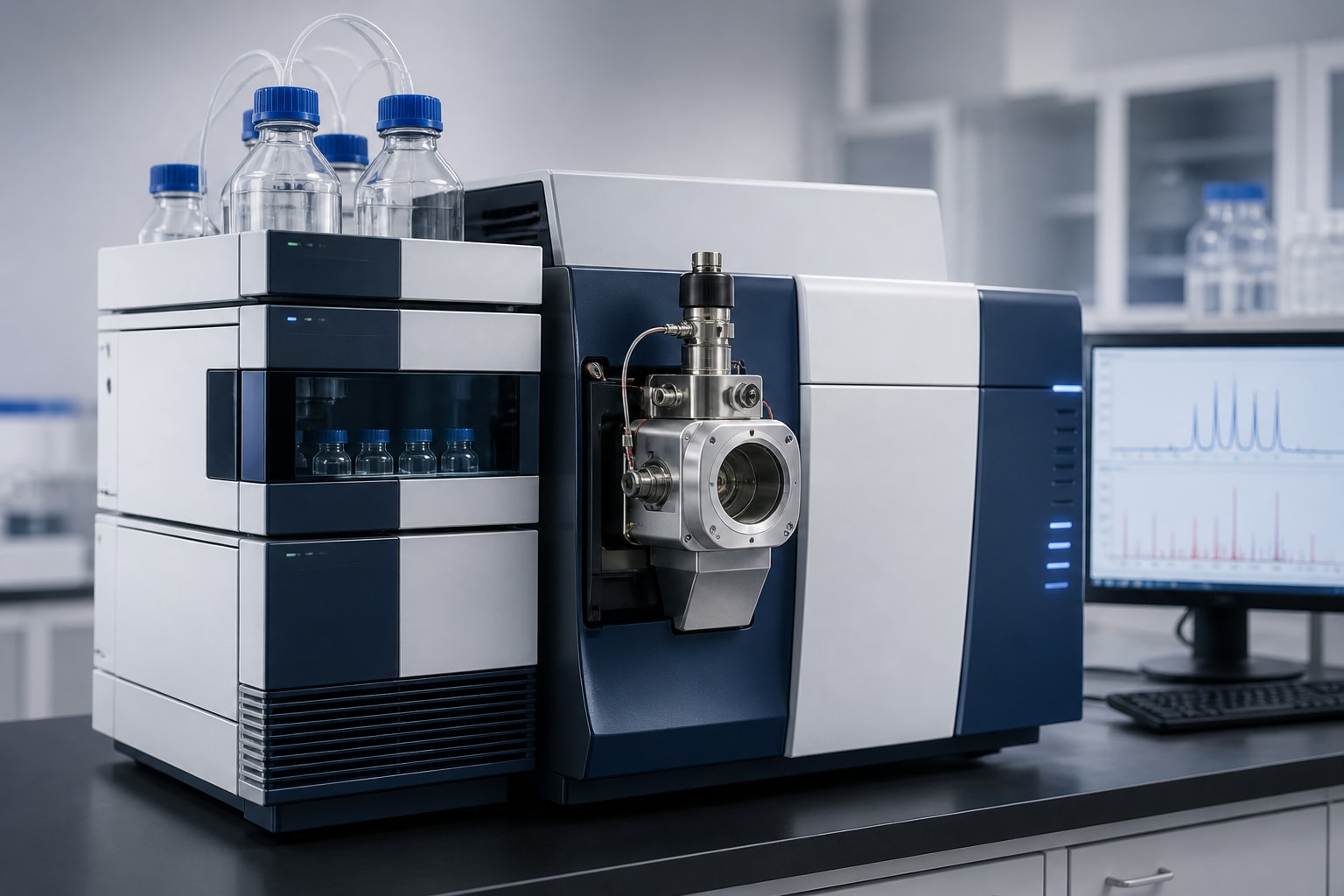
- Testing used high-resolution liquid chromatography–mass spectrometry to screen for 28 corticosteroids and antifungals, with tandem mass spectrometry confirmation.
- Six of 18 products contained undeclared pharmacologically active ingredients; all three units tested from each positive product contained an ingredient.
- Clobetasol propionate, a prescription-only superpotent corticosteroid, was detected in all six positive products; two also contained miconazole or terbinafine.
- None of the positive products’ labels disclosed the detected active ingredients. Clobetasol concentrations ranged from approximately 0.01% to 0.46%, with the maximum exceeding the concentration in FDA-approved topical formulations by 9.2-fold.
- The authors report that three skin-lightening products contained a superpotent corticosteroid and note that facial skin absorbs corticosteroids more readily; periocular exposure has been associated with glaucoma. They also caution that the detected prevalence may underestimate the true prevalence because concealed compounds may evade detection.
Clinical Implications
The study authors state that chronic unsupervised exposure to potent corticosteroids may cause skin atrophy, steroid acne, dyspigmentation, hypothalamic-pituitary-adrenal axis suppression, and other adverse outcomes. They note particular concern about facial and periocular exposure to skin-lightening products containing superpotent corticosteroids, which consumers may use repeatedly or chronically without knowing their contents.
Conclusion
In this targeted sample of online products, one-third contained undeclared active ingredients, including clobetasol propionate, despite labels that did not disclose them. The authors conclude that the findings indicate existing regulatory and surveillance strategies may be inadequate.
Related Resources & Content
- Study authors, JAMA Network Open, 2026 -- Undeclared Pharmacologically Active Ingredients in Over-the-Counter Skin Products
- U.S. Food and Drug Administration, FDA -- FDA works to protect consumers from potentially harmful OTC skin lightening products
- MDSpire News -- Manufacturers With High Concentrations of Lidocaine in Over-the-Counter Topical Analgesics Receive Warning Letters From the FDA
- the medicine maker — How Does it Feel?
- the medicine maker — Biologically Active Excipients?
- mdspire news — Product Labels Miss Hidden Chemicals
- FDA works to protect consumers from potentially harmful OTC skin lightening products
- Undeclared Pharmacologically Active Ingredients in Over-the-Counter Skin Products
- FDA works to protect consumers from potentially harmful OTC skin lightening products | FDA
- 2023 AAD Atopic Dermatitis Management with Topical Therapies Clinical Guidelines Summary - Guideline Central
Based on findings from:
Undeclared Pharmacologically Active Ingredients in Over-the-Counter Skin Products
Zaur Abilov, Michael J. James, Martina L. Porter, Yury V. Popov. Jama Network Open, 2026.
https://jamanetwork.com/journals/jamanetworkopen/fullarticle/2854974
This content is an AI-generated, fully rewritten summary based on a published scholarly article. It does not reproduce the original text and is not a substitute for the original publication. Readers are encouraged to consult the source for full context, data, and methodology.