Clinical Report: Acupuncture's Role in Ischemic Stroke Management
Overview
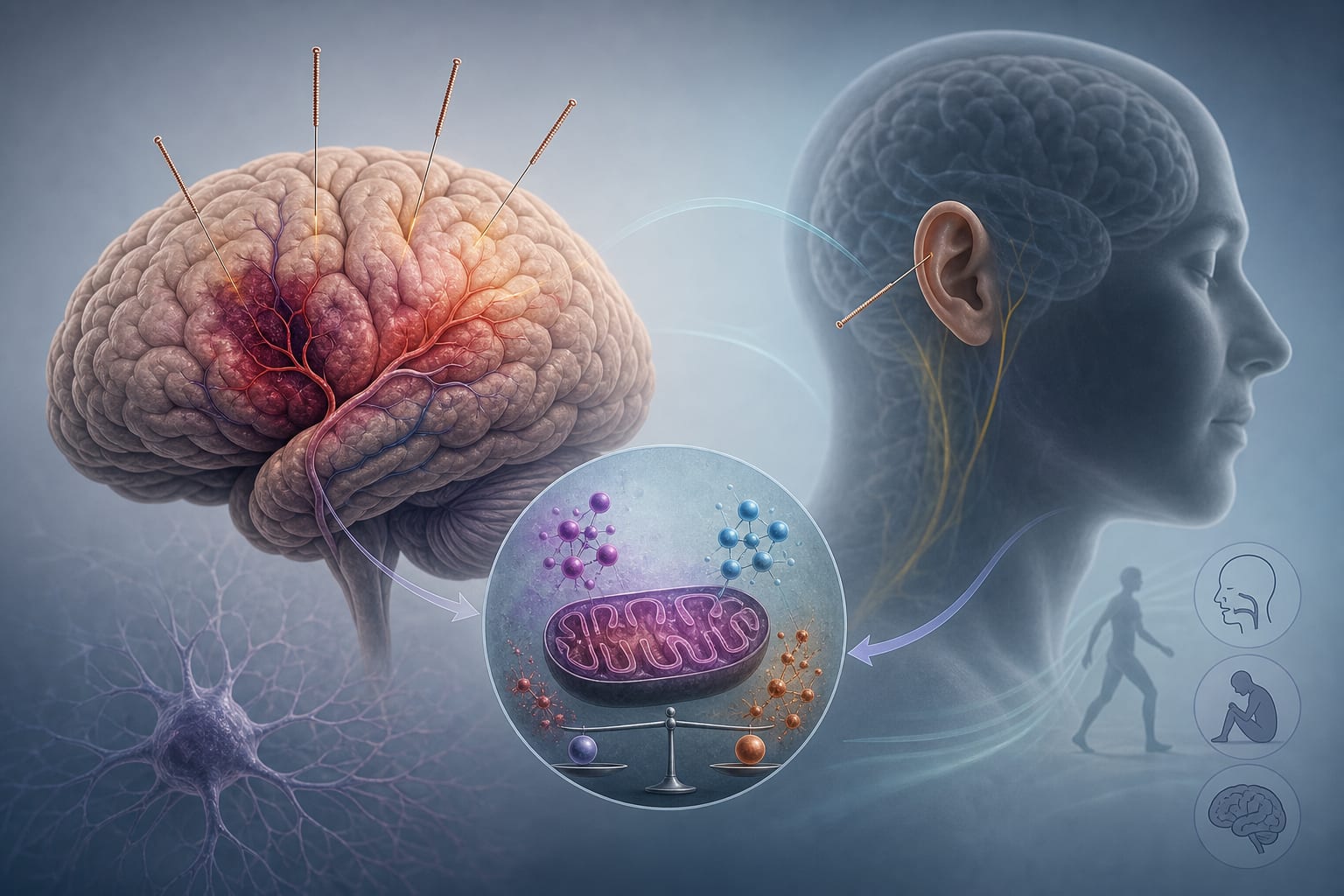
Acupuncture may provide adjunctive benefits in ischemic stroke rehabilitation, particularly in managing dysphagia, depressive symptoms, and cognitive impairment. However, the overall evidence remains inconsistent, necessitating further research to clarify its clinical role, as highlighted in recent meta-analyses.
Background
Ischemic stroke is a leading cause of mortality and long-term disability, with significant economic implications globally, including an estimated cost exceeding US$891 billion annually. Effective rehabilitation and secondary prevention strategies are essential for improving outcomes post-stroke. Acupuncture has emerged as a widely used adjunctive therapy, yet its efficacy and clinical position remain debated due to variable evidence across studies, as shown in recent systematic reviews.
Data Highlights
No specific numerical data available in the source material.
Key Findings
Acupuncture may improve dysphagia and depressive symptoms in stroke patients, as supported by recent studies.
Current evidence suggests acupuncture's effects on cognitive impairment are promising but not yet definitive.
Meta-analyses indicate low to moderate certainty regarding acupuncture's benefits on neurological function and quality of life.
Inconsistencies in acupuncture's efficacy may relate to the metabolic heterogeneity of post-stroke phenotypes.
Future research should focus on biomarker-anchored and phenotype-specific trial designs.
Clinical Implications
Clinicians should consider acupuncture as a potential adjunctive therapy in stroke rehabilitation, particularly for specific symptoms like dysphagia and depression. However, they must remain cautious due to the variability in evidence quality and the need for further research to establish clearer guidelines and stay updated on emerging studies.
Conclusion
Acupuncture shows potential as an adjunctive treatment in ischemic stroke recovery, but further rigorous studies are necessary to solidify its role and optimize its application in clinical practice, particularly focusing on metabolic pathways.