Clinical Report: Chemical Hazards in Hair Extensions
Overview
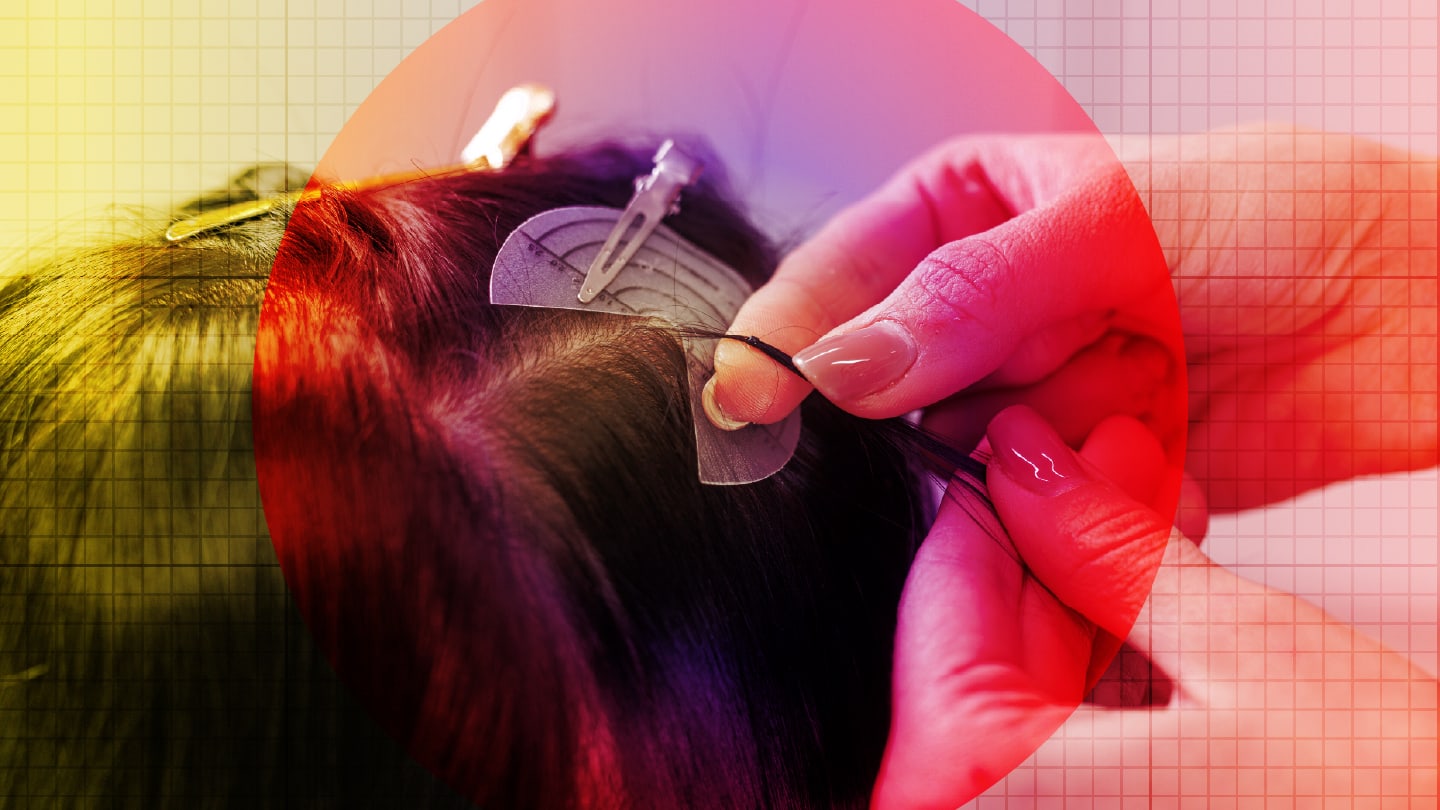
A recent study identified numerous hazardous chemicals in hair extensions, including substances linked to cancer and hormone disruption. Nearly all tested products contained at least one chemical of concern, emphasizing the need for greater scrutiny of these widely used items.
Background
The use of hair extensions is prevalent, particularly among Black women, who may face health risks from the chemicals present in these products. Understanding the chemical composition of hair extensions is crucial for assessing potential health impacts, especially given their close contact with the scalp and the heating processes often involved in styling.
Data Highlights
| Key Findings | Details |
|---|---|
| Products Tested | 43 commercially available hair extension products |
| Chemicals Detected | Over 900 chemical signals, 169 compounds identified |
| Hazardous Chemicals | 48 chemicals on major hazard lists, including flame retardants and phthalates |
| Organotins | Detected in ~10% of products, some exceeding EU limits |
Key Findings
- Nearly all hair extension products tested contained at least one hazardous chemical.
- Over 900 chemical signals were detected, leading to the identification of 169 compounds.
- 48 identified chemicals are listed on major hazard lists, including California’s Proposition 65.
- Organotins, linked to skin irritation, were found in approximately 10% of products.
- Hazardous chemicals were present in both synthetic and bio-based hair extensions.
Clinical Implications
Healthcare professionals should be aware of the potential health risks associated with hair extensions, particularly for patients who frequently use these products. Increased awareness and education about the chemical content of hair extensions may help mitigate health risks, especially for vulnerable populations.
Conclusion
The findings highlight significant health concerns regarding the chemical composition of hair extensions, warranting further investigation and regulatory scrutiny to protect consumers.
Related Resources & Content
- Silent Spring Institute, Silent Spring Institute, 2026 -- Hair extensions contain many more dangerous chemicals than previously thought
- JNCI: Journal of the National Cancer Institute, 2022 -- Use of Straighteners and Other Hair Products and Incident Uterine Cancer
- The ASCO Post, 2026 -- Popular Supplement May Interfere With Cancer Treatment
- Frontiers in Medicine — Resident T cell activation leads to human hair follicle immune privilege loss ex vivo, which is prevented by the DHODH inhibitor farudodstat: relevance for alopecia areata
- eyecare business — Sun, Dialed In.
- The ASCO Post — Alopecia a Common but Underreported Side Effect of Endocrine Agents
- Hair extensions contain many more dangerous chemicals than previously thought | Silent Spring Institute
- Use of Straighteners and Other Hair Products and Incident Uterine Cancer | JNCI: Journal of the National Cancer Institute | Oxford Academic
- Reducing Prenatal Exposure to Toxic Environmental Agents | ACOG
Based on findings from:
Bad Hair Day
The Analytical Scientist, 2026.
https://www.theanalyticalscientist.com/issues/2026/articles/march/bad-hair-day/
This content is an AI-generated, fully rewritten summary based on a published scholarly article. It does not reproduce the original text and is not a substitute for the original publication. Readers are encouraged to consult the source for full context, data, and methodology.