Perceived benefits and barriers to health behaviors after transarterial chemoembolization in patients with hepatocellular carcinoma: a qualitative study based on the health belief model - Report - MDSpire
Advertisement
Perceived benefits and barriers to health behaviors after transarterial chemoembolization in patients with hepatocellular carcinoma: a qualitative study based on the health belief model
Clinical Report: Health Behavior Perceptions Among HCC Patients Post-TACE
Overview
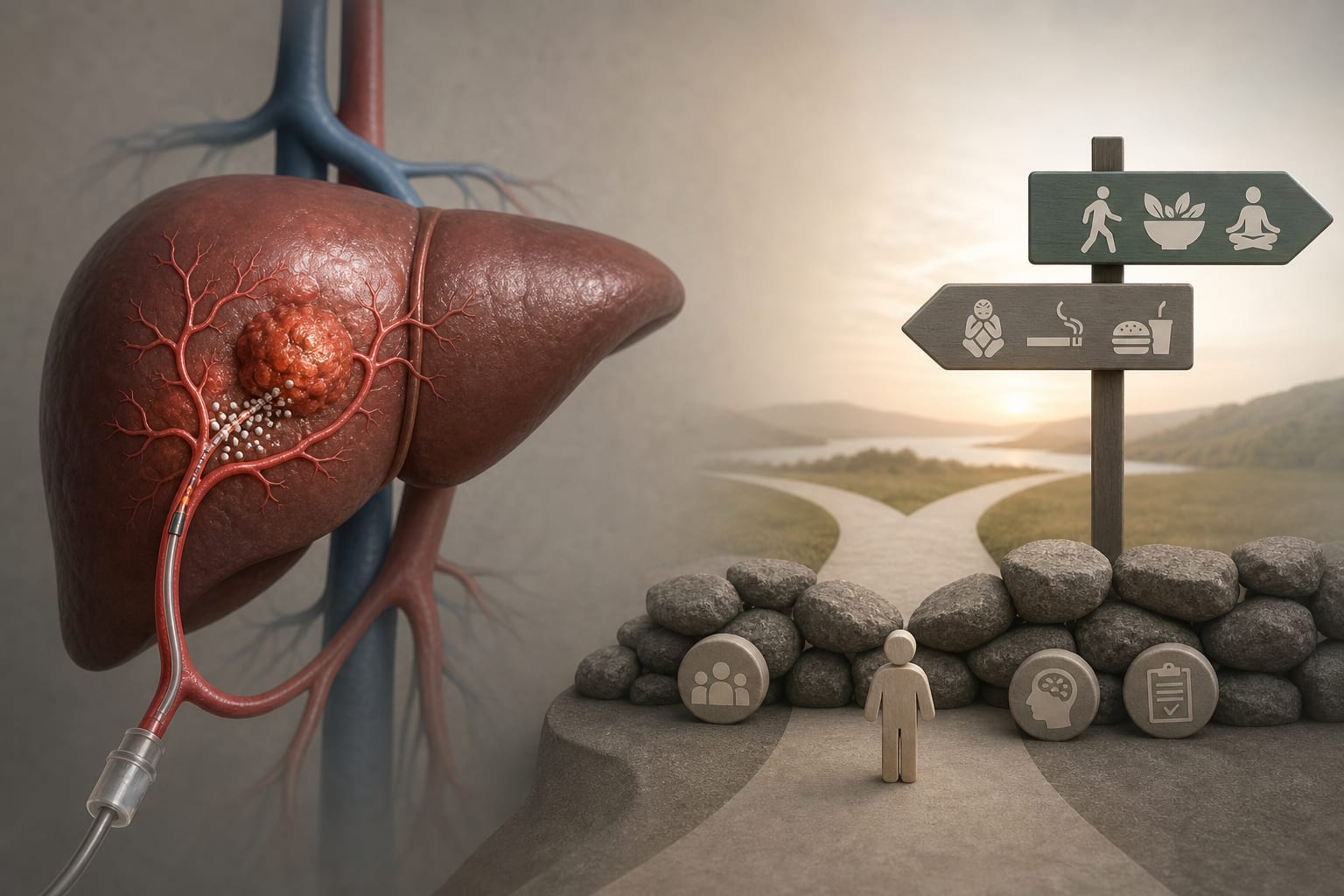
This qualitative study explores the perceptions of health behavior adherence among liver cancer patients following transarterial chemoembolization (TACE). Key findings reveal multidimensional barriers and benefits that influence patients' health behavior decisions post-treatment.
Background
Hepatocellular carcinoma (HCC) is a significant public health concern, being a leading cause of cancer-related mortality. Transarterial chemoembolization (TACE) is a primary treatment for intermediate and advanced liver cancer, yet patients often face challenges in adhering to health behaviors post-treatment. Understanding patient perceptions is crucial.
Data Highlights
No numerical data or trial data were provided in the source material.
Key Findings
Five main topics and 13 subtopics regarding health behavior perceptions were identified based on patient interviews.
Physical barriers included postoperative acute symptom burden and decreased exercise tolerance.
Psychological barriers encompassed feelings of helplessness and emotional overflow.
Social support barriers involved insufficient caregiver accessibility and financial burden.
Informational gaps included misconceptions about treatment efficacy and low health education accessibility.
Rehabilitation benefits were recognized in terms of physical function improvement and social support.
Clinical Implications
Healthcare professionals should consider the multidimensional perceptions of benefits and barriers when designing interventions for liver cancer patients post-TACE.
Conclusion
The study highlights the complex interplay of perceived benefits and barriers affecting health behavior adherence among liver cancer patients after TACE.