MSPEECH (multiple sclerosis monitoring through speech interaction in clinic and at home): a Living Lab study protocol for co-created, speech-based digital biomarkers in multiple sclerosis - Report - MDSpire
Conexiant’s news site is now MDSpire News. Learn more
Advertisement
MSPEECH (Monitoring Multiple Sclerosis Through Speech Interaction in Clinical and Home Settings): A Study Protocol for Developing Co-Created, Speech-Driven Digital Biomarkers in Multiple Sclerosis
Clinical Report: MSPEECH Study Protocol for Speech-Driven Digital Biomarkers
Overview
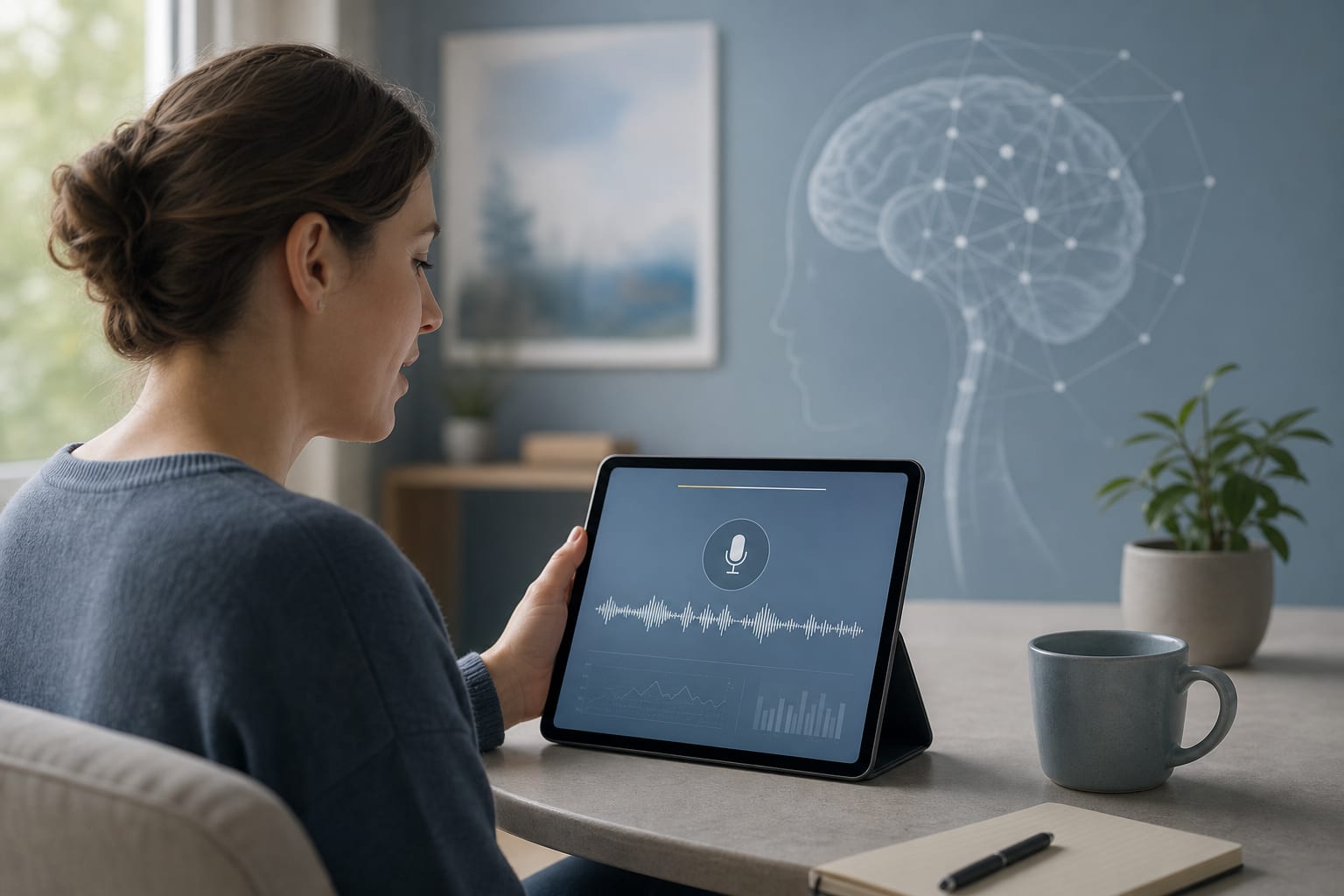
The MSPEECH study aims to develop and evaluate a speech assessment app for monitoring multiple sclerosis (MS) symptoms. This protocol emphasizes co-creation with stakeholders to ensure usability, engagement, and clinical integration of digital biomarkers.
Background
Multiple sclerosis (MS) presents with diverse symptoms that can fluctuate, making traditional clinic assessments insufficient for capturing real-time disease activity. Digital health tools, particularly those leveraging speech analysis, offer a method for continuous monitoring of MS symptoms. The MSPEECH study seeks to explore the feasibility and applicability of these digital measures.
Data Highlights
No numerical data or trial results are provided in the source material.
Key Findings
The MSPEECH study is a single-center, prospective, non-interventional study at the MS Center Dresden.
It involves co-creation of the Mili smartphone/tablet speech assessment app with input from people with MS and clinicians.
The study includes three demonstrator cycles and a 12-week home-based evaluation for each version of the app.
Primary outcomes focus on usability and acceptability, while secondary outcomes assess feasibility, privacy perceptions, and clinician workflow integration.
Speech tasks in the app include fluency, reading, and a dual-task module combining speech with fine-motor tracking.
Clinical Implications
The MSPEECH study highlights the potential for speech-driven digital biomarkers to enhance monitoring of MS symptoms beyond traditional assessments. Continuous engagement and co-design with stakeholders are crucial for developing clinically relevant digital health tools.
Conclusion
The MSPEECH study outlines a protocol for integrating digital biomarkers into routine MS care, focusing on usability and stakeholder involvement in the development process.