Multidimensional Effects of Telemedicine on Patients With Spinal Cord Injury: Systematic Review and Meta-Analysis of Randomized Controlled Trials - Report - MDSpire
Advertisement
Multidimensional Effects of Telemedicine on Patients With Spinal Cord Injury: Systematic Review and Meta-Analysis of Randomized Controlled Trials
Clinical Report: Telemedicine's Impact on Patients With Spinal Cord Injury
Overview
This systematic review and meta-analysis evaluates the effects of telemedicine interventions on patients with spinal cord injury (SCI), highlighting improvements in psychological health, quality of life, and functional outcomes. The findings suggest that telemedicine can be a valuable tool in the management and rehabilitation of SCI patients.
Background
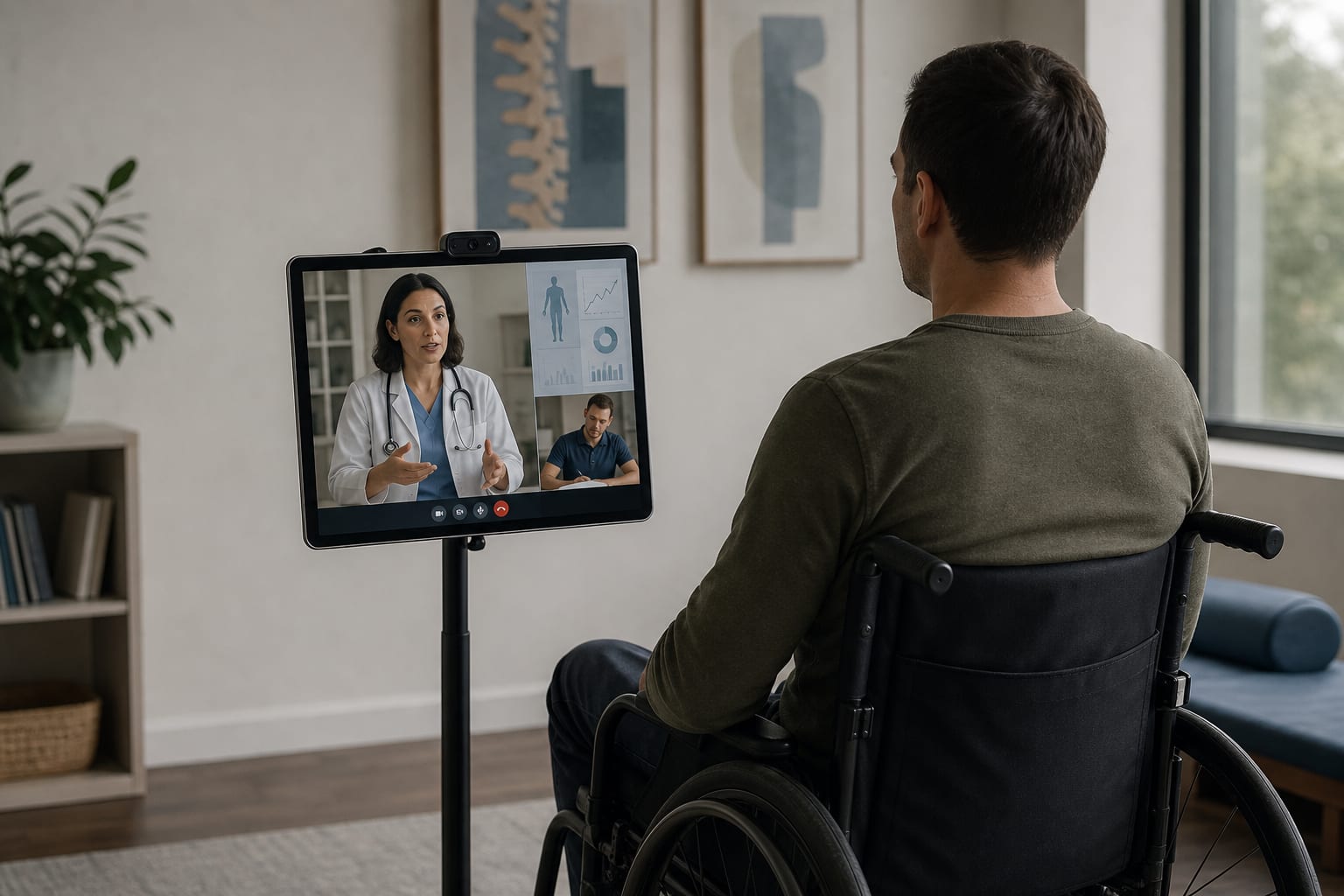
Spinal cord injury (SCI) leads to significant neurological dysfunction and various complications, severely impacting patients' quality of life and independence. Telemedicine offers innovative solutions for managing these challenges, particularly for patients with limited mobility. Understanding the effectiveness of telemedicine in SCI care is essential for optimizing treatment strategies and improving patient outcomes.
Data Highlights
No specific numerical data was provided in the source material.
Key Findings
Telemedicine interventions significantly improved psychological health and quality of life in SCI patients.
Telemedicine was associated with enhanced functional independence and rehabilitation outcomes.
Hybrid telemedicine interventions were found to be more effective than single-modality approaches.
Evidence supports the use of telemedicine for complication prevention and pain management in SCI patients.
Clinical Implications
Healthcare professionals should consider integrating telemedicine into the rehabilitation plans for patients with SCI to enhance their psychological well-being and functional recovery. The findings support the need for standardized telemedicine protocols to ensure consistent and effective care delivery.
Conclusion
Telemedicine presents a promising avenue for improving the management of spinal cord injury, with evidence supporting its benefits in various health outcomes. Further research is needed to refine intervention strategies and enhance the applicability of telemedicine in clinical practice.
A new BMJ Opinion piece takes aim at a growing tendency among clinicians: translating public behavior into clinical diagnosis—especially when the subject is a political leader.