Family History and Early Screening: Detecting Brain Aneurysms Before They Rupture - Report - MDSpire
Advertisement
Family History and Early Screening: Detecting Brain Aneurysms Before They Rupture
An aneurysm can develop anywhere in the brain’s network of blood vessels. It occurs when a section of an artery wall weakens, causing the blood flowing through the area to put additional pressure on the artery wall.
Clinical Report: Family History and Early Screening for Brain Aneurysms
Overview
This report highlights the importance of early screening for brain aneurysms, particularly in individuals with a family history. The case of Keith Allston illustrates how timely intervention can prevent potentially life-threatening ruptures.
Background
Brain aneurysms pose a significant health risk, with approximately one in 50 individuals affected. The lack of symptoms until rupture makes early detection critical, especially for those with a family history of aneurysms. Understanding risk factors and the importance of screening can lead to better outcomes for at-risk populations.
Data Highlights
No numerical data was provided in the source material.
Key Findings
Approximately 500,000 people die annually from ruptured brain aneurysms worldwide.
Risk factors include smoking, high blood pressure, high cholesterol, and family history.
Screening is recommended for individuals with a strong family history of aneurysms.
Minimally invasive procedures, such as endovascular coiling, are effective for treating unruptured aneurysms.
Magnetic resonance angiography (MRA) is preferred for screening due to its high sensitivity and specificity.
Clinical Implications
Healthcare providers should prioritize screening for patients with a family history of brain aneurysms to facilitate early detection and intervention. Understanding the nuances of treatment options can help tailor management strategies for individual patients.
Conclusion
Early screening and intervention for brain aneurysms can significantly improve patient outcomes, particularly for those with a familial predisposition. Awareness and proactive management are essential in reducing the risk of rupture.
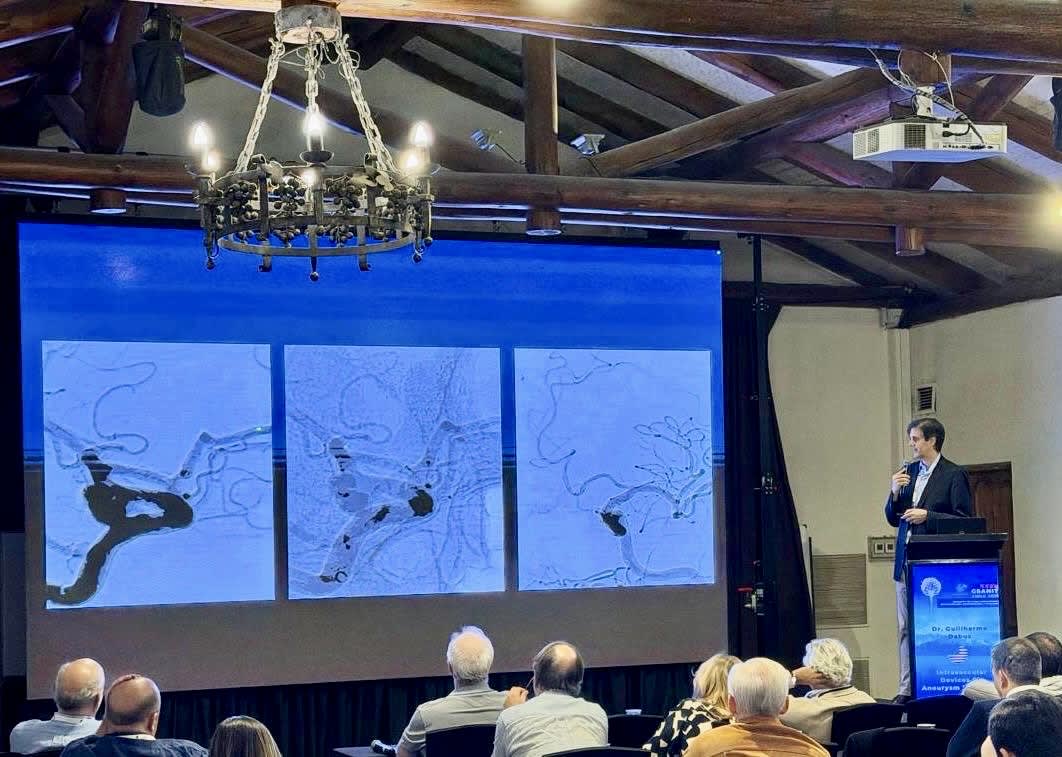
Guilherme Dabus, M.D., co-director of interventional neuroradiology at Baptist Health Miami Neuroscience Institute, served as a guest professor and invited speaker at the GSANIT (Grupo Sudamericano de Neurorradiología Intervencionista y Terapeutica) in Santa Cruz, Chile,
So get this: sodium may track with memory decline (in men), steroids might not be “immunosuppressive” in the ICU, and second pregnancies reshape the brain differently than first. Same theme: biology is less binary than we teach it.