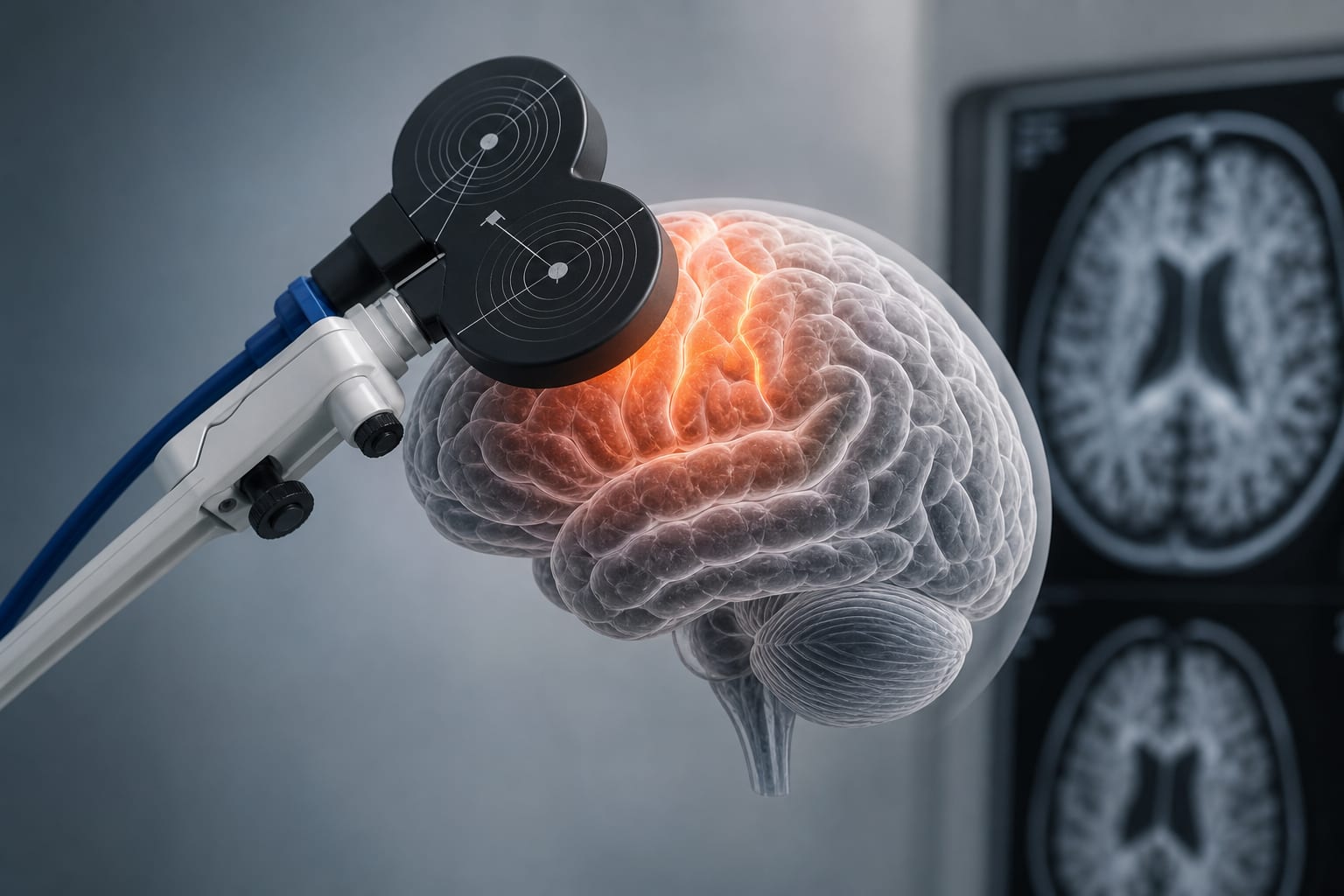
High-dose accelerated intermittent theta burst stimulation targeting the primary motor cortex for gait and cognitive functions in cerebral small vessel disease: a randomized controlled trial - Report - MDSpire
Advertisement
High-dose accelerated intermittent theta burst stimulation targeting the primary motor cortex for gait and cognitive functions in cerebral small vessel disease: a randomized controlled trial
Clinical Report: High-Dose aiTBS for Gait and Cognitive Abilities in CSVD
Overview
This study demonstrates that high-dose accelerated intermittent theta burst stimulation (aiTBS) significantly improves gait and cognitive function in patients with cerebral small vessel disease (CSVD). The findings suggest that aiTBS may serve as a promising non-invasive treatment option for managing symptoms associated with CSVD.
Background
Cerebral small vessel disease (CSVD) is a prevalent condition that leads to cognitive impairment and gait disturbances, severely affecting patients' quality of life. Current treatment options for these symptoms are limited, highlighting the need for innovative therapeutic approaches. Non-invasive brain stimulation techniques, such as aiTBS, have shown potential in modulating brain function and improving clinical outcomes in various neurological disorders.
Data Highlights
Outcome Measure
Real-aiTBS Group
Sham-aiTBS Group
3mTUG Duration
Significantly improved
No significant change
Tinetti Score
Significantly improved
No significant change
CMMS Score
Significantly improved
No significant change
MoCA Score
No significant change
No significant change
Key Findings
Real-aiTBS group showed significant improvement in 3mTUG duration compared to sham group.
Improvements in Tinetti and CMMS scores were also significant in the real-aiTBS group.
No significant difference was observed in MoCA scores between the two groups.
Therapeutic response to aiTBS correlated with neuroimaging features of CSVD.
High-dose aiTBS was well-tolerated with no serious adverse effects reported.
Clinical Implications
The findings suggest that aiTBS could be integrated into treatment plans for patients with CSVD to enhance mobility and cognitive function. Clinicians should consider the neuroimaging characteristics of CSVD when evaluating potential responses to aiTBS therapy.
Conclusion
High-dose aiTBS targeting the primary motor cortex shows promise as an effective intervention for improving gait and cognitive abilities in patients with CSVD. Further research is warranted to establish long-term efficacy and safety.