Fujifilm and HORIBA Develop Inline Raman System for Biomanufacturing - Report - MDSpire
Advertisement
Fujifilm and HORIBA Develop Inline Raman System for Biomanufacturing
The system is designed for real-time monitoring of cell culture and purification, with Fujifilm reporting about a 10 percent yield improvement in antibody purification tests
Clinical Report: Fujifilm and HORIBA Develop Inline Raman System for Biomanufacturing
Overview
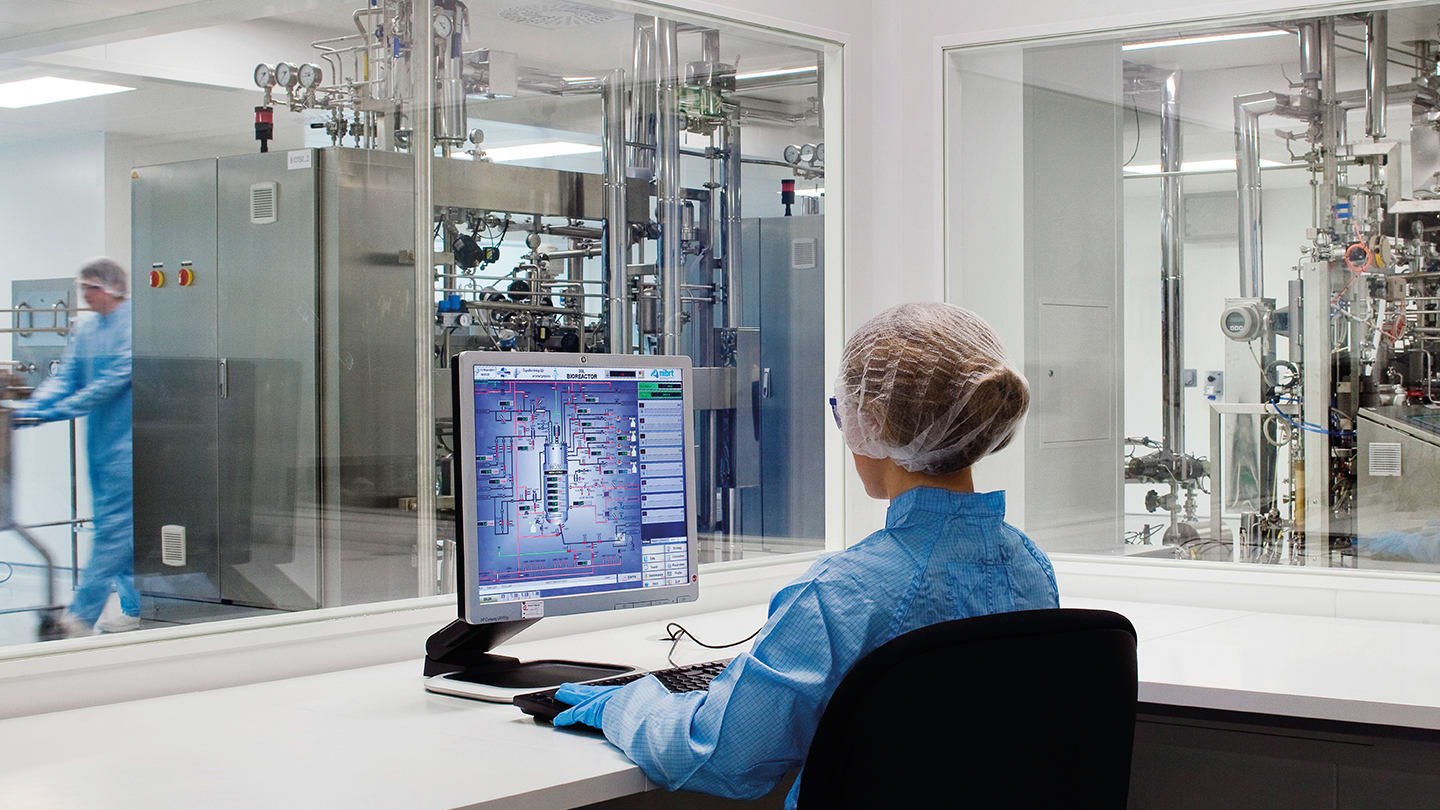
Fujifilm and HORIBA have developed a high-sensitivity inline Raman measurement system for real-time monitoring in biopharmaceutical manufacturing. This system enables continuous analysis of cell culture media and purification solutions.
Background
The biopharmaceutical manufacturing process is critical for ensuring rapid product commercialization while adhering to strict Good Manufacturing Practices (GMP). Traditional offline quality control methods introduce delays that can compromise product quality. The development of inline Raman spectroscopy technology provides real-time data for process monitoring.
Data Highlights
The system improved antibody yield by approximately 10% compared to conventional UV-Vis methods in demonstration tests using model experimental systems.
Key Findings
The inline Raman system allows for real-time monitoring of cell culture and purification processes.
It combines a HORIBA Raman spectrometer with a Fujifilm single-use probe and proprietary algorithms.
The technology can analyze component concentrations directly inside bioreactors without offline sampling.
Raman spectroscopy can distinguish antibodies from impurities.
The single-use probe reduces contamination risk and eliminates the need for cleaning steps.
Clinical Implications
The inline Raman system may facilitate more precise process control in biopharmaceutical manufacturing.
Conclusion
The collaboration between Fujifilm and HORIBA represents an advancement in biomanufacturing technology.