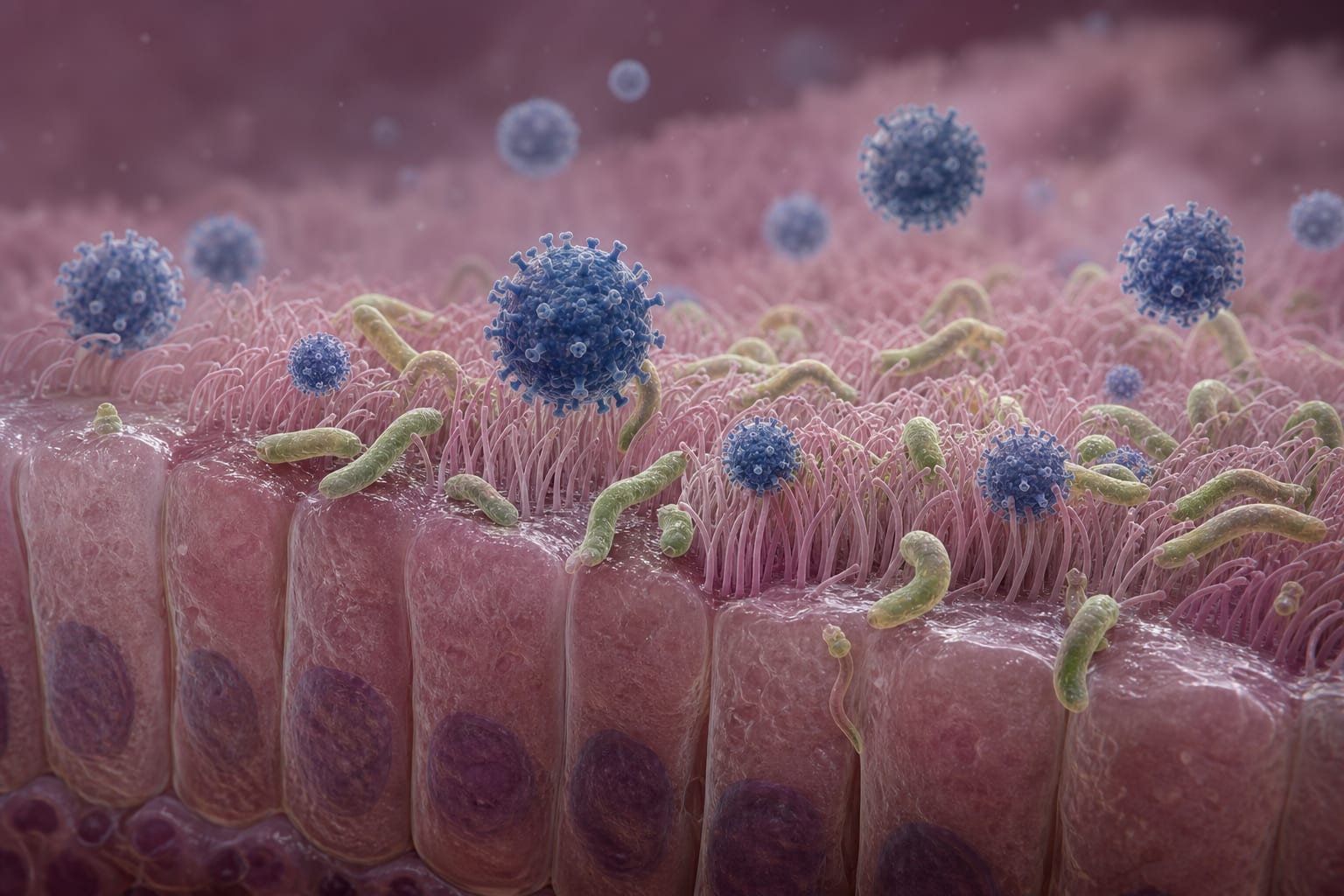
Clinical Report: Resurgence of Mycoplasma pneumoniae in Children Post-Pandemic
Overview
This report details the resurgence of Mycoplasma pneumoniae (MPP) infections in children following the COVID-19 pandemic, highlighting its association with rhinovirus. A retrospective analysis of pediatric cases at a tertiary hospital reveals significant increases in MPP detections in the 2023/24 period compared to previous years.
Background
Mycoplasma pneumoniae is a leading cause of atypical pneumonia, particularly in children and young adults. The COVID-19 pandemic significantly disrupted the epidemiology of respiratory infections, leading to a notable decline in MPP detections. Understanding the resurgence of MPP infections and their association with other respiratory pathogens is crucial for effective clinical management.
Data Highlights
No numerical data available in the provided source material.
Key Findings
Mycoplasma pneumoniae infections are cyclical, with a resurgence noted in 2023/24 following a decline during the COVID-19 pandemic.
Detection rates of MPP infections in children increased sharply at the end of 2023, contrasting with other bacterial pathogens that rose more rapidly post-pandemic.
Respiratory pathogens like rhinovirus showed constant or increased detection levels even during strict non-pharmaceutical interventions.
Clinical presentations of MPP infections typically begin with mild symptoms, progressing to atypical pneumonia characterized by fever and cough.
Co-detection of MPP with rhinovirus/enterovirus (RV/EV) is emerging as a significant clinical concern.
Clinical Implications
Healthcare providers should be vigilant for MPP infections in pediatric patients, especially in the context of recent respiratory illness surges. Accurate diagnostic methods, such as nucleic acid amplification tests, are essential for timely identification and management of these infections.
Conclusion
The resurgence of Mycoplasma pneumoniae in children post-pandemic necessitates heightened awareness and appropriate diagnostic strategies to manage this atypical pneumonia effectively.
Head and neck abscess incidence was more than 3-fold higher following the pandemic, while patient characteristics and treatment patterns remained largely similar.