Testicular macrophages: core immune regulators and emerging therapeutic targets in spermatogenic dysfunction - Report - MDSpire

Testicular macrophages: core immune regulators and emerging therapeutic targets in spermatogenic dysfunction

  • By

  • Zesong Jiang

  • Xiaohe Xuan

  • Zhongjian Qiu

  • Xiang Zhou

  • Hui Ma

  • Zhiguo Zhu

  • June 23, 2026

  • 0 min

Share

Clinical Report: Testicular Macrophages: Key Immune Regulators and Potential Therapeutic Targets for Spermatogenic Disorders

Background

Spermatogenic dysfunction is a leading cause of male infertility, affecting 10% to 15% of couples globally. Testicular macrophages are essential for maintaining immune homeostasis in the testis, which is crucial for normal spermatogenesis. Understanding their role in spermatogenic disorders could lead to novel therapeutic approaches.

Data Highlights

No numerical data or trial data provided in the source material.

Key Findings

  • Testicular macrophages predominantly exhibit immune tolerance-related phenotypes under normal physiological conditions.
  • During spermatogenic dysfunction, there are significant alterations in the number and functional status of testicular macrophages.
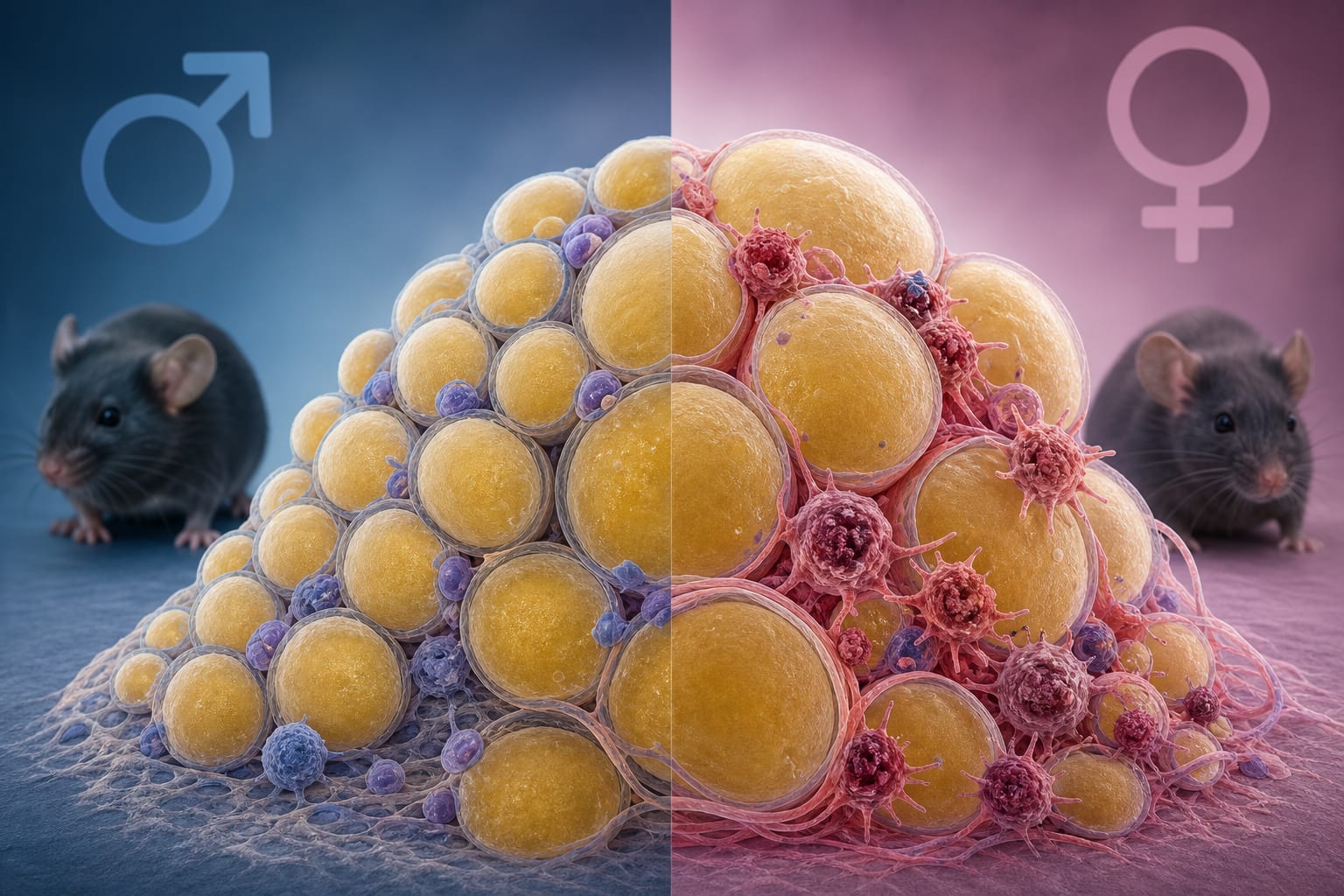
  • Aberrant activation of inflammation-related signaling pathways in macrophages can induce chronic low-grade inflammation, disrupting the spermatogenic microenvironment.
  • Testicular macrophages contribute to hormonal homeostasis and immune privilege, which are vital for spermatogenesis.
  • Recent advancements in reproductive immunology have highlighted the role of targeting testicular macrophages for therapeutic strategies.

Clinical Implications

Further research is needed to develop precise intervention strategies based on the mechanistic roles of testicular macrophages in spermatogenic dysfunction.

Conclusion

Future research should focus on therapeutic strategies that target testicular macrophages.

Related Resources & Content

  1. Frontiers in Immunology, 2026 -- Immunological mechanisms and precision stratification in male infertility: from testicular immune privilege and danger signal amplification to seminal immune biomarkers and mechanism-tailored intervention
  2. Frontiers in Immunology, 2026 -- MicroRNAs and immunotherapy in testicular germ cell tumors: opportunities and challenges for modulation of the immune microenvironment
  3. The ASCO Post, 2020 -- Potential Association of Impaired Spermatogenesis and Immune Checkpoint Inhibitor Therapy in Patients With Metastatic Melanoma
  4. Frontiers in Endocrinology — Advances in immune-inflammatory interactions within the testicular-penile microenvironment of varicocele patients: molecular mechanisms underlying erectile dysfunction and spermatogenic impairment
  5. WHO issues first global guideline on infertility
  6. EAU Guidelines on Sexual and Reproductive Health 2025
  7. Diagnostic yield of exome sequencing in nonobstructive azoospermia (NOA): A systematic review and meta-analysis - PubMed
  8. https://wjmh.org/pdf/10.5534/wjmh.240132
  9. Impact of AZFc deletion subtypes on sperm retrieval rates via micro-TESE and ICSI outcomes in non-obstructive azoospermia patients | Scientific Reports
  10. Single-cell RNA sequencing reveals immune-peritubular myoid cell crosstalk driving testicular interstitial fibrosis in idiopathic non-obstructive azoospermia | Cell & Bioscience | Springer Nature Link
  11. Spatiotemporal mapping reveals Ccl8hi macrophages as key drivers of testicular inflammaging - PMC
  12. Testicular macrophages: Sculpting male fertility through immune regulation and tissue interactions - ScienceDirect

Original Source(s)

Related Content