The impact of the integrated labor-delivery-recovery-postpartum unit on maternal–neonatal outcomes and psychological experiences among low-risk parturients: a prospective cohort study from a high-volume tertiary center in china - Report - MDSpire
Advertisement
The impact of the integrated labor-delivery-recovery-postpartum unit on maternal–neonatal outcomes and psychological experiences among low-risk parturients: a prospective cohort study from a high-volume tertiary center in china
Clinical Report: Evaluating Maternal and Neonatal Outcomes in Low-Risk Parturients
Overview
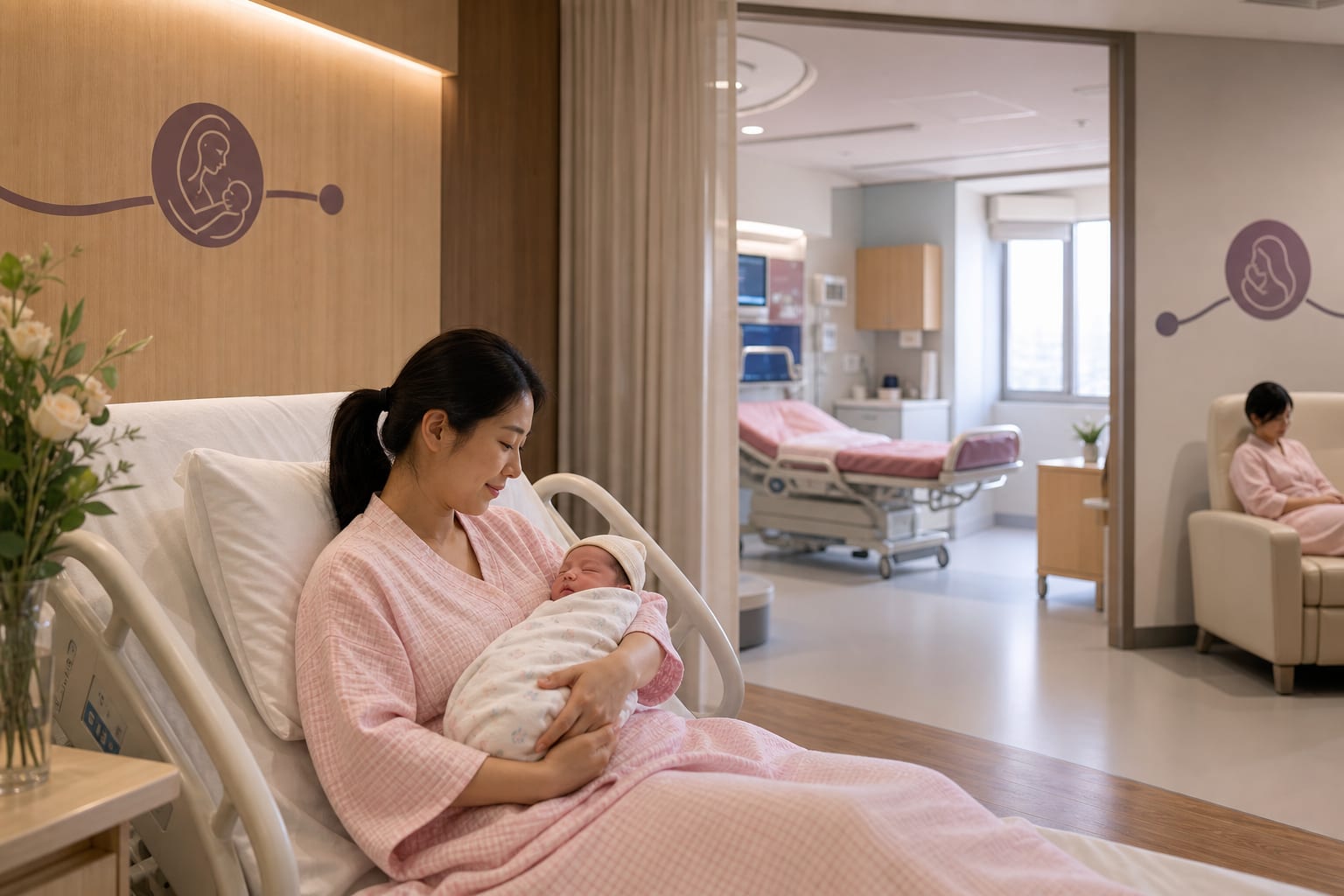
This study evaluates the integrated labor-delivery-recovery-postpartum (LDRP) model compared to traditional delivery methods among low-risk parturients. Key findings indicate differences in labor duration, cesarean section rates, and neonatal transfer rates between the two models.
Background
The LDRP model aims to provide a continuous care experience for parturients. Given the high birth volumes in China, understanding the impact of LDRP in this context is crucial for maternal and neonatal care.
Data Highlights
Outcome
LDRP Group
Traditional Group
P-value
Labor Duration
7.3 h
9.8 h
<0.05
Cesarean Section Rate
1.2%
4.6%
<0.05
Neonatal Transfer Rate
5.4%
16.0%
<0.05
Postpartum Hemorrhage Rate
1.2%
6.0%
0.235
Feeling Calm and Relaxed
17.7%
0.4%
<0.05
Latent-Phase Pain Scores
2.0
1.0
N/A
Key Findings
Labor duration was shorter in the LDRP group compared to traditional methods.
Cesarean section rates were lower in the LDRP group.
Neonatal transfer rates were lower in the LDRP group.
Women in the LDRP group reported feeling more calm and relaxed during labor.
Postpartum hemorrhage rates were lower in the LDRP group, but not statistically significant after adjustment.
Higher latent-phase pain scores were reported in the LDRP group compared to the traditional group.
Clinical Implications
Further validation is needed to confirm the effects of the LDRP model on postpartum hemorrhage.
Conclusion
The LDRP model shows differences in labor duration and maternal experiences, warranting further investigation.