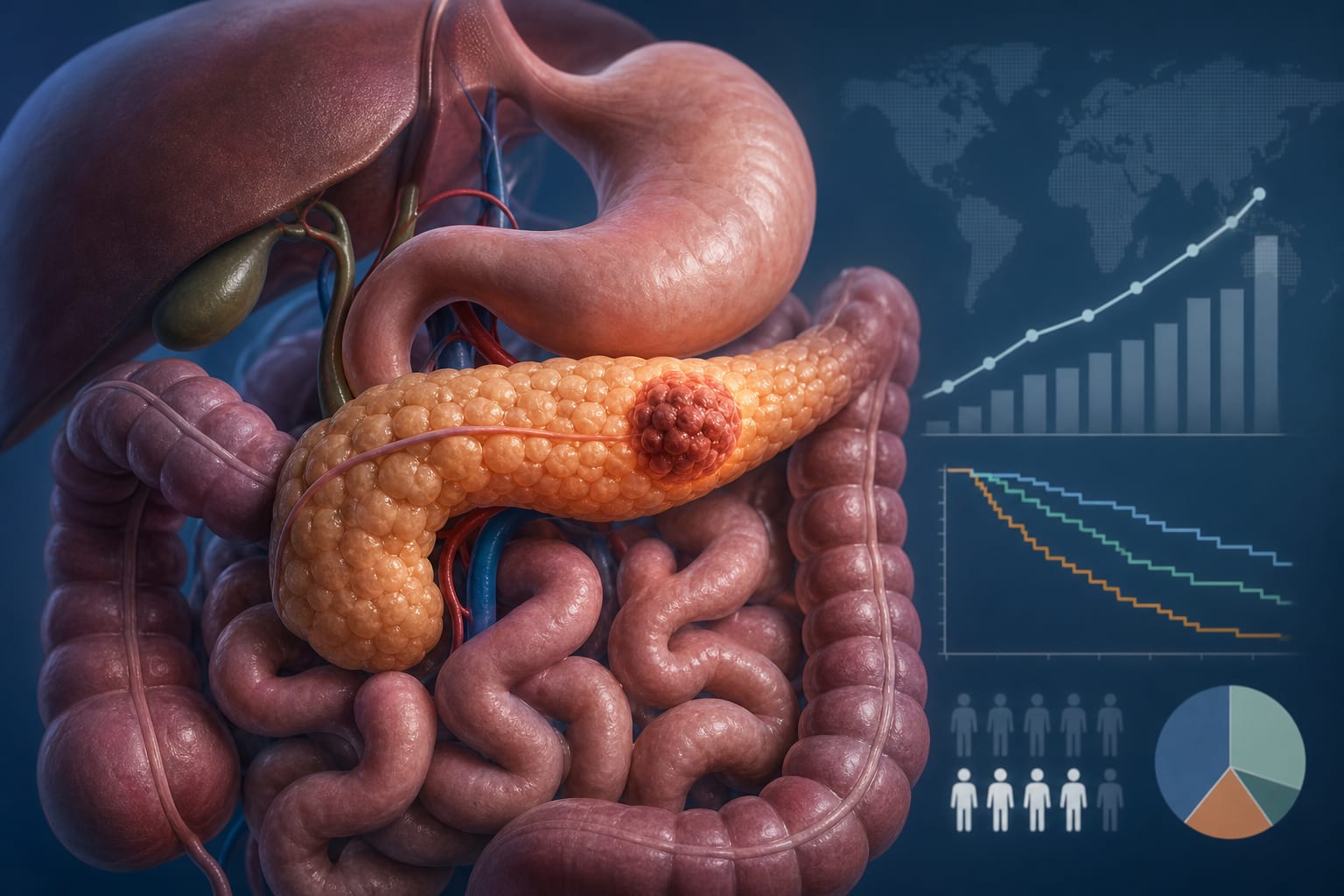
Hypertension Associated with VEGF Pathway Inhibition in Oncology Patients
Overview
VEGF pathway inhibitors (VEGFi) are a common cause of therapy-induced hypertension in cancer patients, characterized by rapid onset and high incidence. Understanding the mechanisms and implementing early detection with individualized management strategies are essential to optimize cardiovascular and oncologic outcomes.
Background
Cancer therapies can induce a range of cardiovascular toxicities, with hypertension being one of the most consistent and clinically significant adverse effects. VEGF pathway inhibitors, used to target tumor angiogenesis, disrupt vascular homeostasis leading to increased blood pressure. This therapy-induced hypertension serves both as a biomarker of VEGF blockade efficacy and a modifiable cardiovascular risk factor requiring structured monitoring. Effective management involves multidisciplinary care integrating oncology and cardiology expertise.
Data Highlights
Proteinuria, defined as >2+ protein on dipstick or urinary protein-to-creatinine ratio ≥1 g/g, is a recognized toxicity of VEGF inhibition linked to hypertension. Meta-analyses of phase III trials show no significant increase in hypertension risk when immune checkpoint inhibitors (ICI) are combined with VEGFi compared to VEGFi alone. Pharmacovigilance data confirm a strong hypertension signal with VEGFi and VEGFi+ICI combinations, but not with ICIs alone.
Key Findings
VEGF inhibition reduces nitric oxide and prostaglandin I2 while increasing endothelin-1, promoting vasoconstriction and hypertension.
Capillary rarefaction caused by VEGFi increases systemic vascular resistance, contributing to elevated blood pressure.
Renal effects of VEGFi include podocyte and endothelial injury, reducing glomerular filtration and activating RAAS, further raising blood pressure.
Proteinuria is a common VEGFi toxicity reflecting glomerular injury and correlates with hypertension development.
Combination therapies of VEGFi with ICIs do not significantly increase hypertension risk beyond VEGFi monotherapy.
RAAS inhibitors and calcium-channel blockers are effective first-line agents for managing VEGFi-induced hypertension.
Clinical Implications
Early recognition and aggressive management of VEGFi-associated hypertension are critical to reduce cardiovascular risk and maintain cancer treatment efficacy. Regular blood pressure monitoring and use of RAAS inhibitors or calcium-channel blockers tailored to individual patient profiles can optimize outcomes. Multidisciplinary collaboration and patient education enhance surveillance and adherence to therapy.
Conclusion
VEGF pathway inhibitor-induced hypertension is a prevalent and mechanistically well-defined complication in oncology patients. Structured surveillance and evidence-based management strategies are essential to balance cardiovascular safety with effective cancer therapy.
Related Resources & Content
Ferrara et al. -- Discovery and therapeutic targeting of VEGF
Meta-analysis of ICI+VEGFi combinations (10.3389/fonc.2021.739263)
Pharmacovigilance data from FAERS (10.3389/fimmu.2023.1127128)
by Nicolas L. Palaskas, Jung Hyun Kim, Silvia Fernanda López Moreno, Bernardo Casso-Chapa, Noah I. Beinart, Nnenne Nnanna, Keila Carolina Ostos Mendoza, Anita Deswal, Syed Wamique Yusuf, Efstratios Koutroumpakis, Jun-ichi Abe, Michael S. Ewer