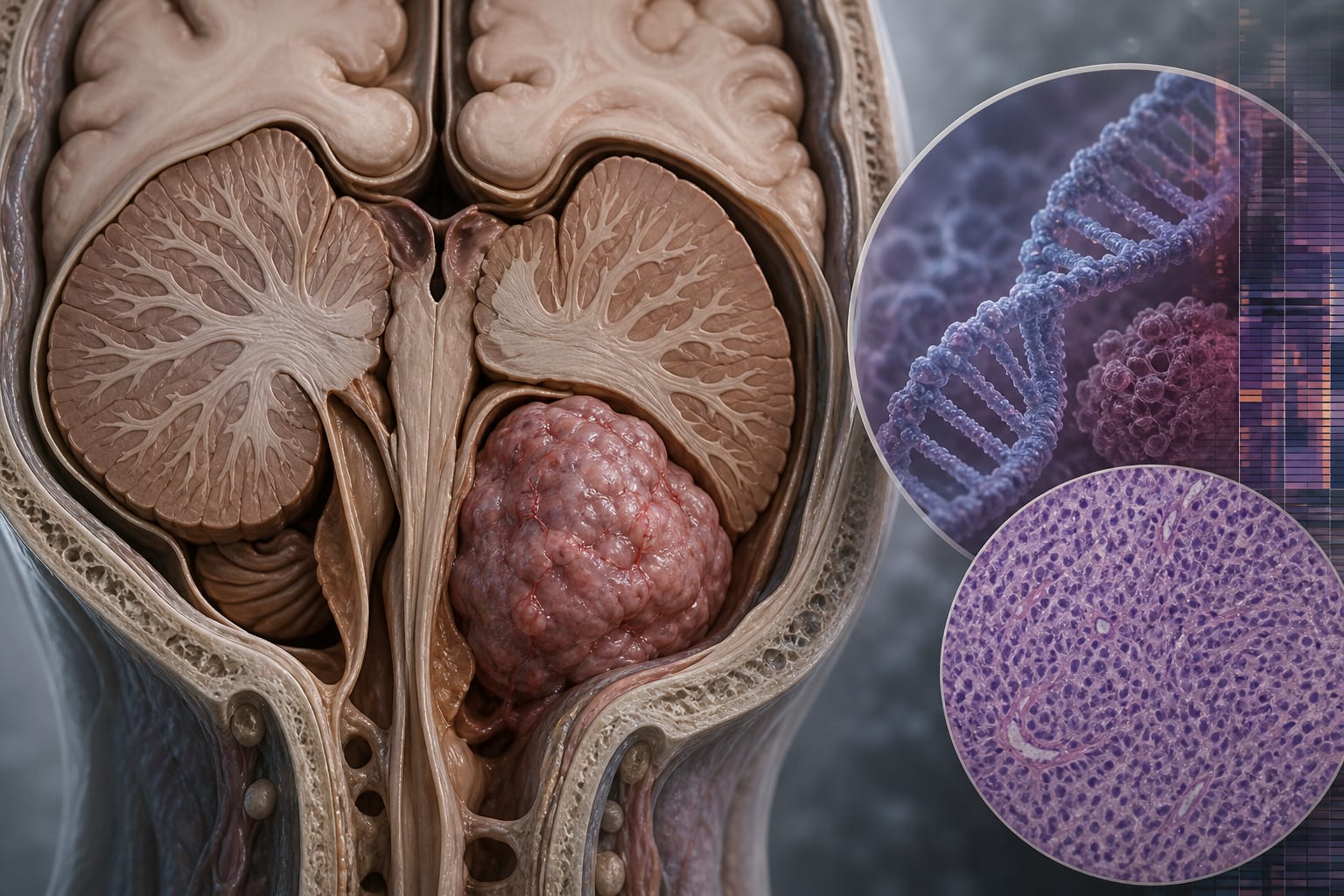
Clinical Report: Persistent Pain Prevalence in Head and Neck Cancer Survivors
Overview
This systematic review and meta-analysis found that approximately 31% of head and neck cancer survivors experience persistent pain after completing treatment. The study highlights significant variability in pain prevalence estimates due to heterogeneity in cancer location, treatment modalities, and pain assessment methods.
Background
Head and neck cancer (HNC), primarily head and neck squamous cell carcinoma (HNSCC), affects over 600,000 individuals worldwide annually, with a 5-year survival rate of 40%-50%. Advances in treatment have improved survival, but survivors often face long-term sequelae including persistent pain. Pain in HNC survivors can be nociceptive, neuropathic, or nociplastic, and may arise from cancer treatment or other factors. Persistent pain lasting beyond 3 months post-treatment significantly impacts quality of life and daily functioning.
Data Highlights
Parameter
Value
Number of records retrieved
1713
Articles screened after duplicates removed
1385
Full-text articles assessed
182
Studies included in review
17
Prevalence of persistent pain
31% (95% CI, 20 to 42)
Heterogeneity explained by meta-regression (R2)
40.57%
Key Findings
Nearly one-third (31%) of head and neck cancer survivors report persistent pain after treatment completion.
Persistent pain prevalence varies widely due to differences in cancer location, treatment types, pain measurement methods, and timing of assessments.
Heterogeneity among studies was substantial, with meta-regression explaining about 40% of this variability.
Common pain phenotypes include nociceptive, neuropathic, and nociplastic pain, often coexisting in survivors.
Persistent pain is associated with biological factors, psychological symptoms, and functional disability.
There is a lack of tailored therapeutic approaches addressing the complex pain mechanisms in this population.
Clinical Implications
Clinicians should be aware that persistent pain affects a significant proportion of head and neck cancer survivors and may present with multiple pain phenotypes requiring individualized assessment. Pain management strategies should consider the multifactorial etiology and incorporate multidisciplinary approaches to improve survivors' quality of life. Regular pain assessment beyond 3 months post-treatment is essential to identify and address persistent pain effectively.
Conclusion
Persistent pain is a common and complex issue among head and neck cancer survivors, affecting about one-third of patients post-treatment. Further research is needed to clarify factors influencing pain prevalence and to develop targeted interventions.
References
Systematic Review and Meta-Analysis, 2023 -- Assessment of Persistent Pain Prevalence and Features in Survivors of Head and Neck Cancer
by Miguel Ángel Fernández-Gualda, Paula Postigo-Martin, Maria Fernandez-Gonzalez, Lydia Martin-Martin, Pilar Vargas-Arrabal, Mario Lozano-Lozano, Carolina Fernández-Lao