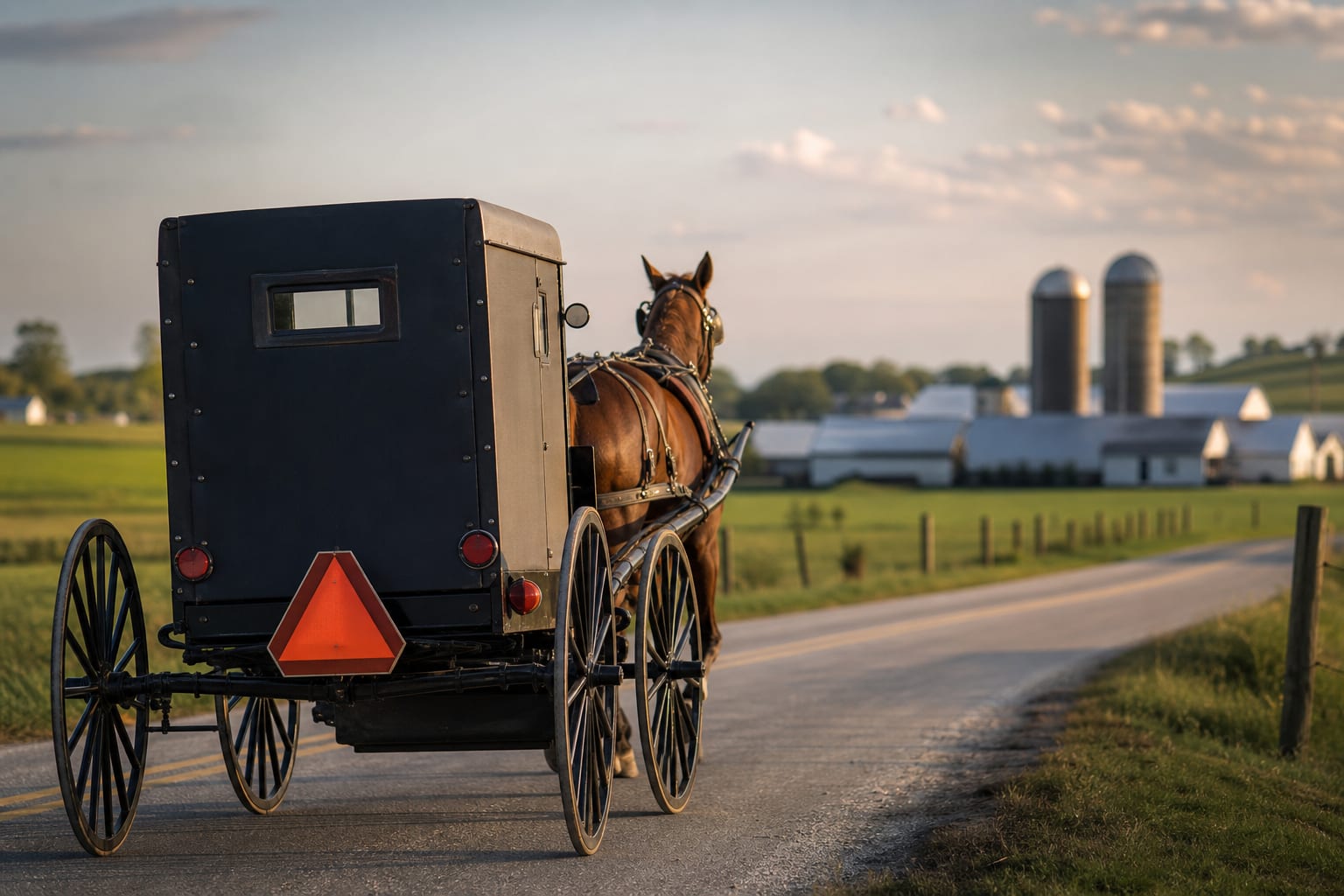
Perspectives of the Amish on Vaccination, Healthcare Expenses, and Related Topics
Overview
The Amish community's views on vaccination and healthcare are complex and diverse, challenging common misconceptions. This report highlights the need for a nuanced understanding of their health practices and beliefs.
Background
Understanding the health perspectives of the Amish is crucial, especially in light of public health discussions surrounding vaccination. The Amish are often misrepresented as a monolithic group, yet they encompass a variety of denominations and beliefs that influence their healthcare decisions. This complexity is particularly relevant in the context of rising vaccine skepticism and public health initiatives.
Data Highlights
No numerical or trial data was provided in the source material.
Key Findings
The Amish are a Christian religious group with a strong ethnic component, originating from Anabaptist traditions.
There are six primary Amish denominations, each with its own practices and beliefs regarding health and vaccination.
Misconceptions about the Amish, such as the belief that they do not vaccinate or experience autism, have been perpetuated in public discourse.
Healthcare decisions within the Amish community are influenced by their cultural values and kin networks.
Research on the Amish can provide insights into genetic epidemiology due to their founder population status.
Clinical Implications
Healthcare professionals should approach the Amish community with an understanding of their diverse beliefs and practices regarding vaccination. Engaging with community leaders may facilitate better communication and public health outreach.
Conclusion
A nuanced understanding of the Amish community's health perspectives is essential for effective public health strategies, particularly in vaccination efforts.