Engineering safety into AI-assisted music medicine for headache management: a transparent guardrail framework - Report - MDSpire

Engineering safety into AI-assisted music medicine for headache management: a transparent guardrail framework

  • By

  • Xuexing Luo

  • Zhichao Pei

  • Amy Jing-Wen Yin

  • July 13, 2026

Share

Clinical Report: Incorporating Safety Measures into AI-Enhanced Music Therapy

Background

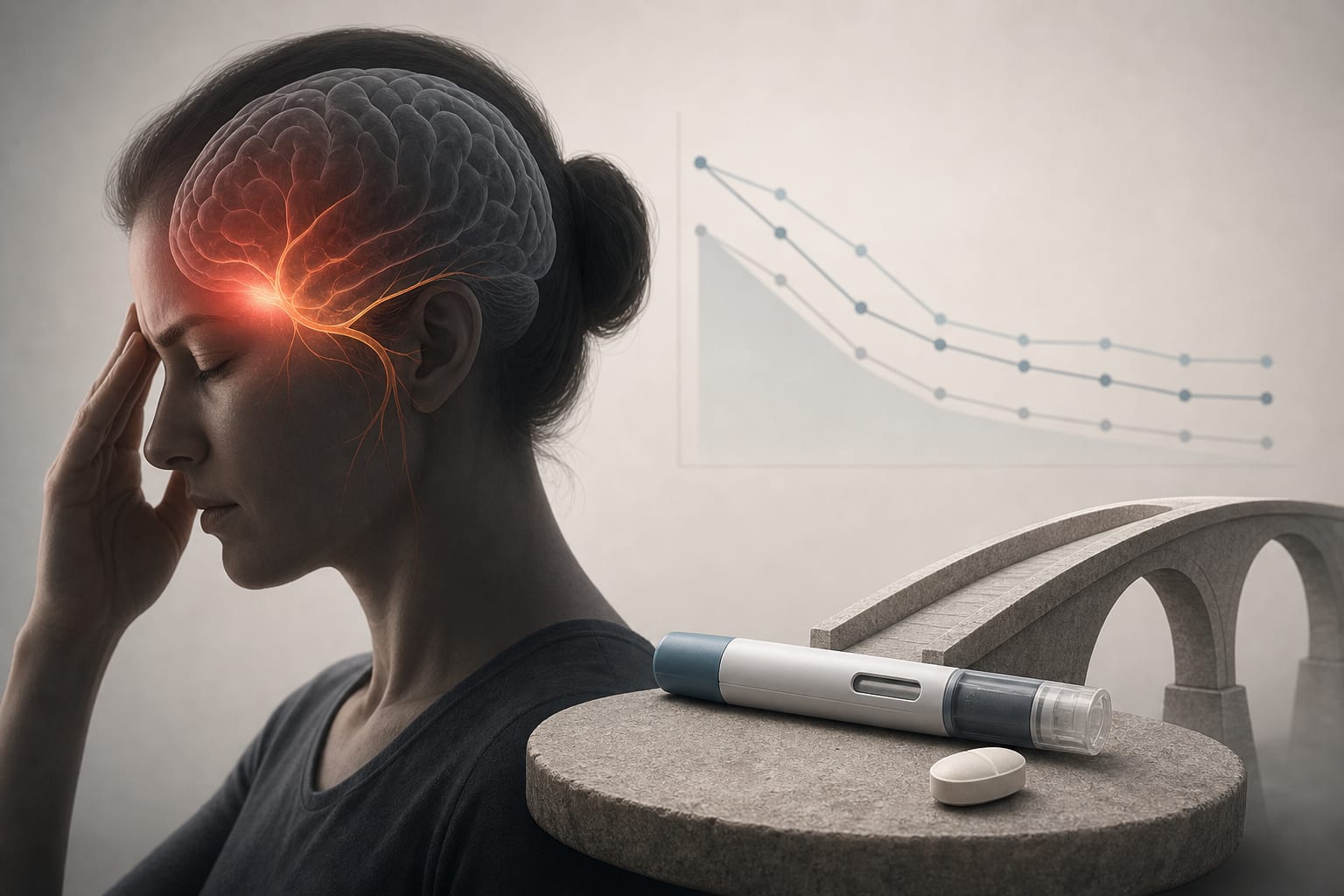
Headache disorders, particularly migraine and tension-type headache, affect over 3 billion individuals globally, often leading to reliance on long-term analgesic medications. The introduction of AI-assisted music therapy offers a novel approach to pain management, yet raises concerns regarding patient safety and the effectiveness of interventions across diverse populations.

Data Highlights

No numerical or trial data provided in the source material.

Key Findings

  • Headache disorders affect over 3 billion individuals globally.
  • AI-assisted music therapy has potential pain-suppressing qualities but requires careful implementation.
  • Demographic and cultural factors significantly influence the effectiveness of musical stimuli.
  • AI models can dynamically align acoustic streams with patient states based on real-time feedback.
  • Systemic risks inherent to AI, such as model hallucinations, pose significant clinical challenges.

Clinical Implications

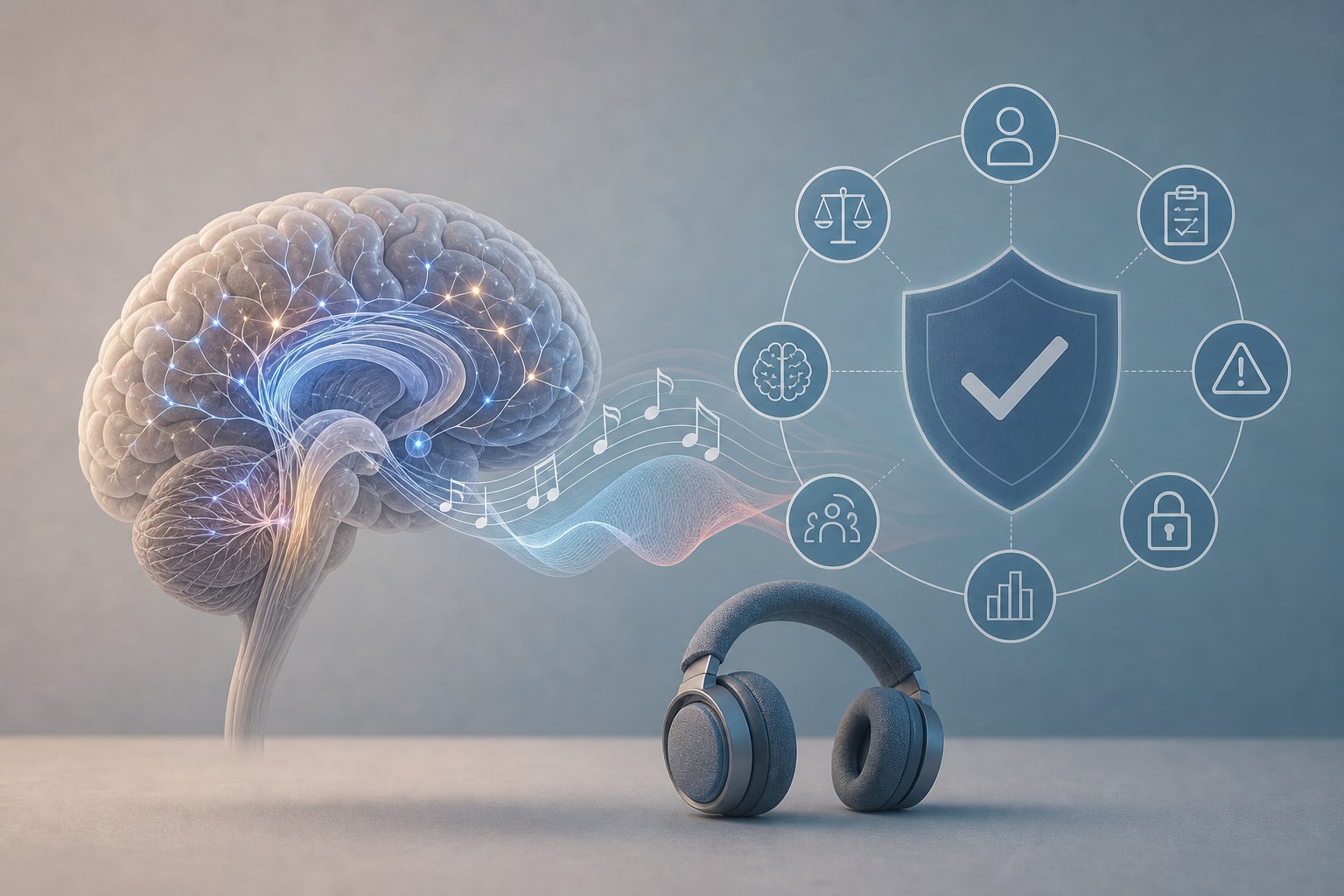
The implementation of AI-assisted music therapy necessitates a robust safety framework to mitigate risks associated with algorithmic errors.

Conclusion

A transparent clinical oversight framework is essential to ensure patient safety and therapeutic efficacy.

Related Resources & Content

  1. Frontiers in Psychiatry, 2026 -- The synergistic application of virtual reality and music therapy: a scoping review
  2. Journal of Medical Internet Research (JMIR), 2026 -- A Futures Framework for Clinical AI Governance: Anticipating Emerging Risks, Shifting Roles, and Regulatory Challenges
  3. Frontiers in Neurology, 2026 -- A structured music-based intervention for motor rehabilitation and exploratory cognitive and quality-of-life outcomes after stroke: a study protocol for a randomized waitlist-controlled intervention study
  4. Frontiers in Psychiatry, 2026 -- A novel music-based real-time fMRI neurofeedback interface modulates interhemispheric connectivity and enhances mood
  5. Psychological interventions for migraine | Nature Reviews Neurology, 2026
  6. Digital and virtual interventions for migraine: A systematic review of randomized controlled trials, 2026
  7. Psychological interventions for migraine | Nature Reviews Neurology
  8. Digital and virtual interventions for migraine: A systematic review of randomized controlled trials
  9. Marketing Submission Recommendations for a Predetermined Change Control Plan for Artificial Intelligence-Enabled Device Software Functions | FDA

Original Source(s)

Related Content