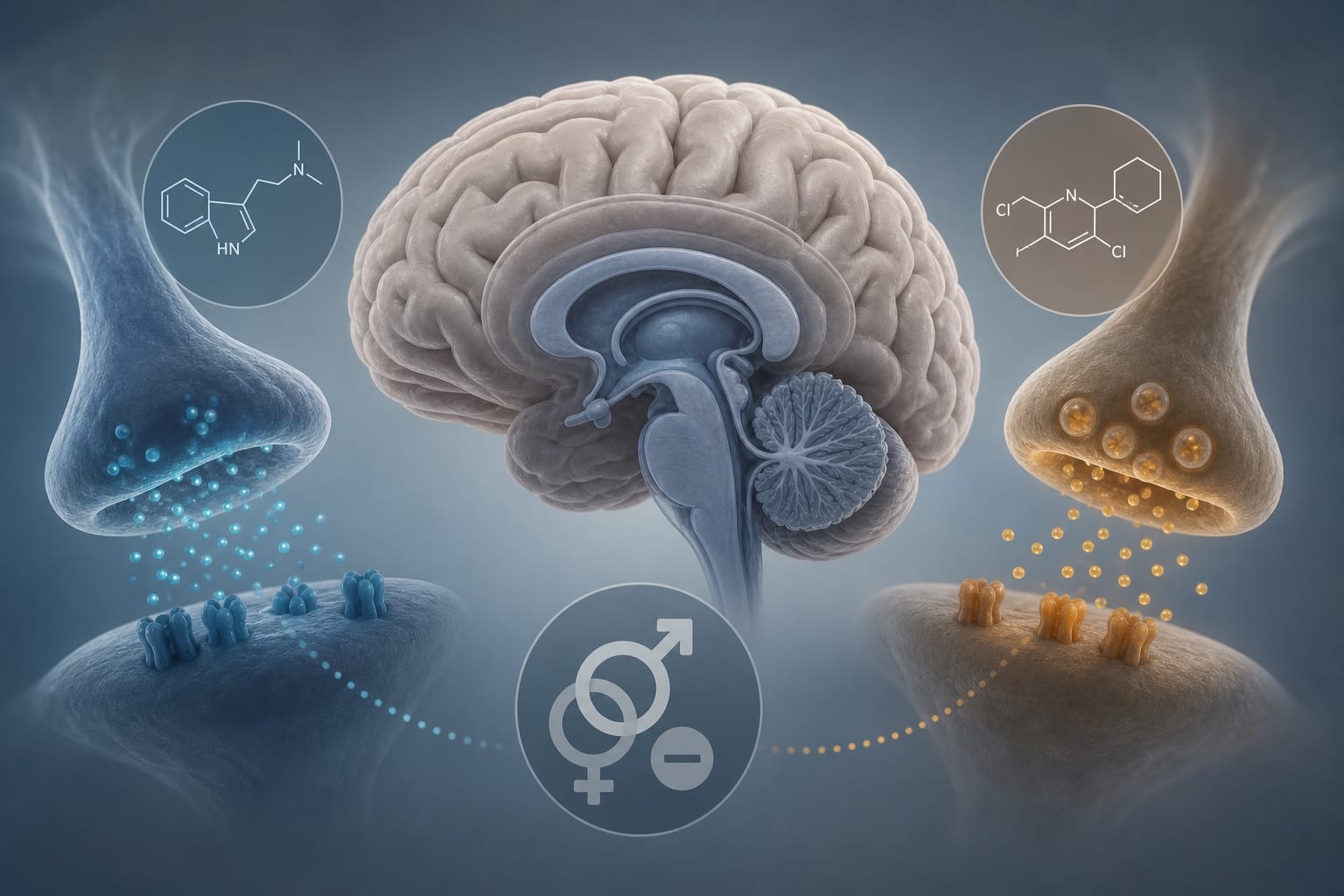
Sexual dysfunction associated with antidepressants and antipsychotics: a structured narrative review of mechanisms, assessment, and personalized management - Report - MDSpire
Advertisement
Sexual Dysfunction Linked to Antidepressant and Antipsychotic Use: A Comprehensive Review of Mechanisms, Evaluation, and Tailored Treatment Approaches
Clinical Report: Sexual Dysfunction Linked to Antidepressant and Antipsychotic Use
Overview
Sexual dysfunction is prevalent among patients treated with antidepressants and antipsychotics. This review highlights the mechanisms, assessment, and management strategies for addressing this issue in clinical practice.
Background
Sexual dysfunction is a significant concern in patients with depressive and psychotic disorders. It can arise from the underlying illness, pharmacotherapy, or a combination of factors.
Data Highlights
No numerical data available in the source material.
Key Findings
Sexual dysfunction is common in patients treated with antidepressants and antipsychotics.
Strongly serotonergic antidepressants, particularly SSRIs and venlafaxine, are associated with a higher risk of treatment-emergent sexual dysfunction.
Prolactin-elevating antipsychotics, such as risperidone and paliperidone, generally have a less favorable sexual tolerability profile.
Non-serotonergic antidepressants like bupropion and mirtazapine show a more favorable sexual side effect profile.
Direct questioning and validated instruments are essential for the reliable detection of sexual dysfunction in patients.
Systematic assessment of sexual dysfunction should be integrated into routine treatment planning and follow-up.
Clinical Implications
Clinicians should assess sexual function in patients receiving antidepressants and antipsychotics, as these medications can impact sexual health.
Conclusion
Sexual dysfunction is an important aspect of psychopharmacology that requires assessment and management.
Four-day treatment targeting the prefrontal cortex and cerebellum produced larger reductions in suicidal ideation scores than prefrontal stimulation alone in adolescents with major depressive disorder.