Polyarteritis nodosa and antiphospholipid syndrome: a systematic review of a rare and challenging overlap between vasculitis and thrombotic vasculopathy - Report - MDSpire
Advertisement
Polyarteritis nodosa and antiphospholipid syndrome: a systematic review of a rare and challenging overlap between vasculitis and thrombotic vasculopathy
Clinical Report: Exploring the Intersection of Polyarteritis Nodosa and Antiphospholipid Syndrome
Overview
This systematic review analyzes the coexistence of Polyarteritis Nodosa (PAN) and Antiphospholipid Syndrome (APS), focusing on clinical presentations, laboratory findings, and therapeutic challenges.
Background
Polyarteritis nodosa (PAN) is a necrotizing vasculitis affecting medium-sized arteries, leading to significant morbidity due to its multisystemic nature. Antiphospholipid syndrome (APS) is characterized by thrombotic events and is increasingly recognized for its inflammatory components. Understanding the relationship between PAN and APS is crucial for effective diagnosis and treatment.
Data Highlights
This review synthesizes case reports and series regarding the overlap of PAN and APS, focusing on clinical manifestations and outcomes as reported in the literature.
Key Findings
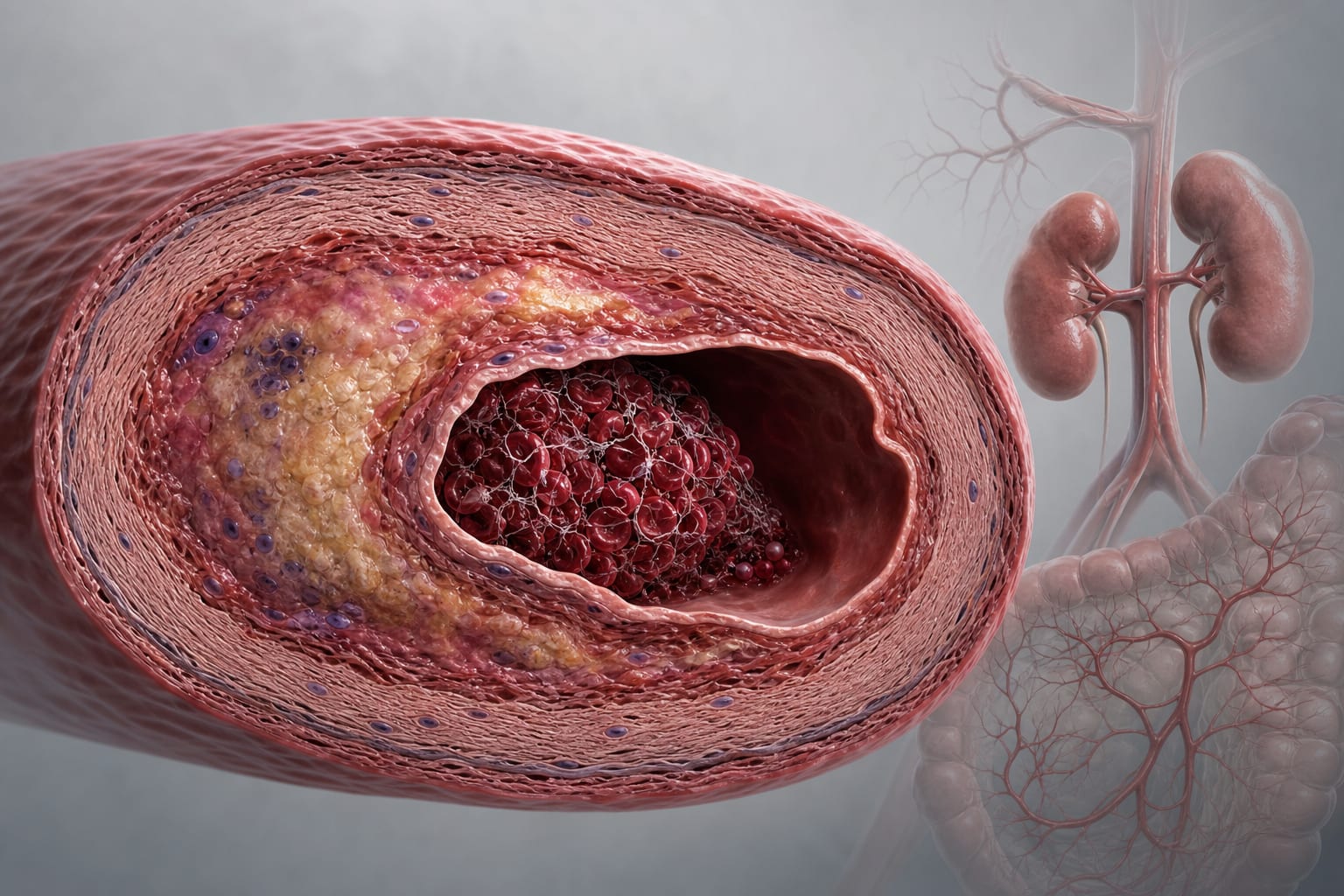
PAN is characterized by transmural inflammation and fibrinoid necrosis of medium-sized arteries.
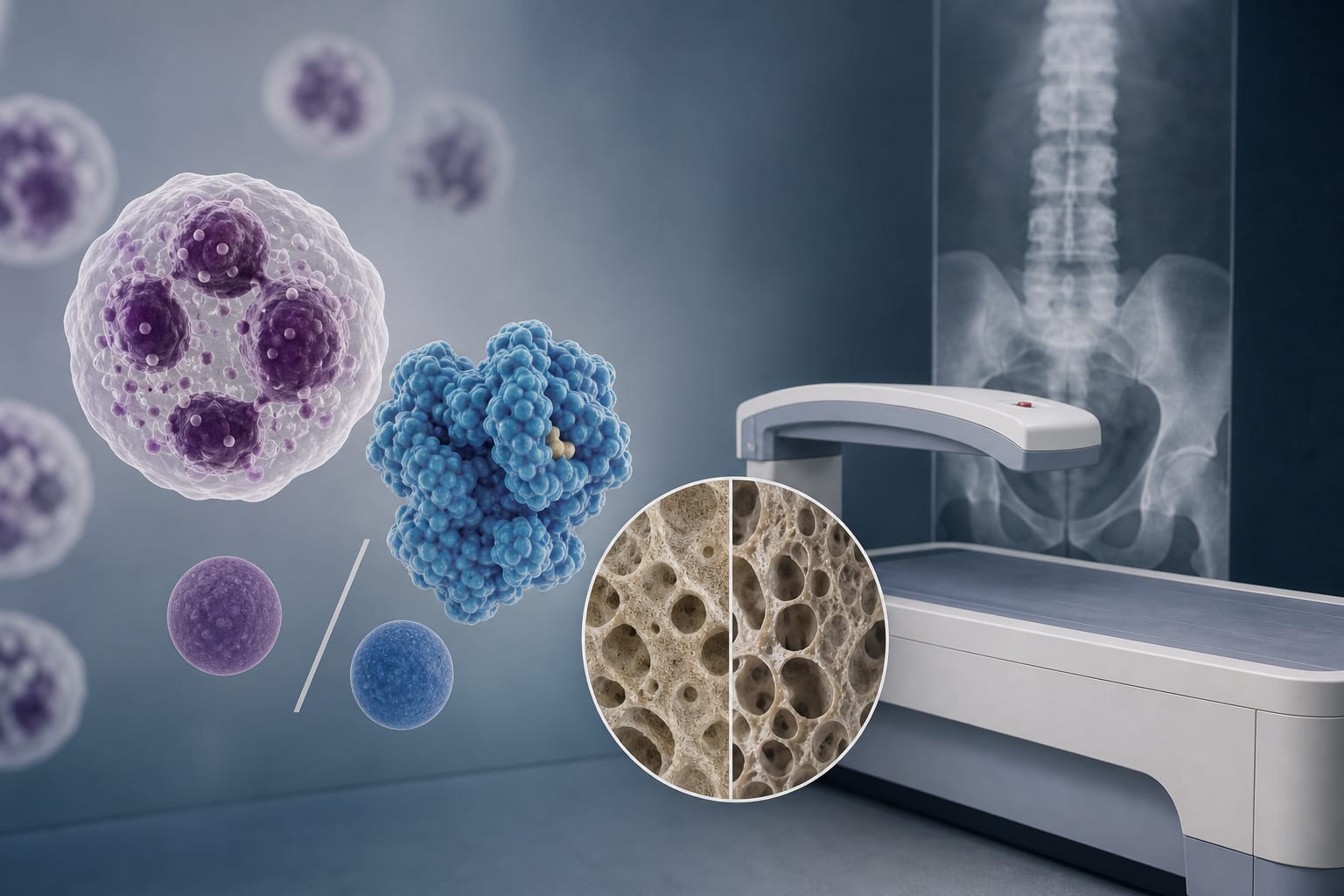
APS is defined by recurrent thrombosis and/or pregnancy morbidity associated with antiphospholipid antibodies.
Both conditions may present with overlapping symptoms, complicating diagnosis and management.
Distinguishing between inflammatory destruction and thrombotic occlusion is critical for treatment.
Antiphospholipid antibodies can be present in patients with primary systemic vasculitides.
Clinical Implications
Accurate diagnosis is essential to avoid inappropriate therapies.
Conclusion
The coexistence of PAN and APS presents unique diagnostic and therapeutic challenges.