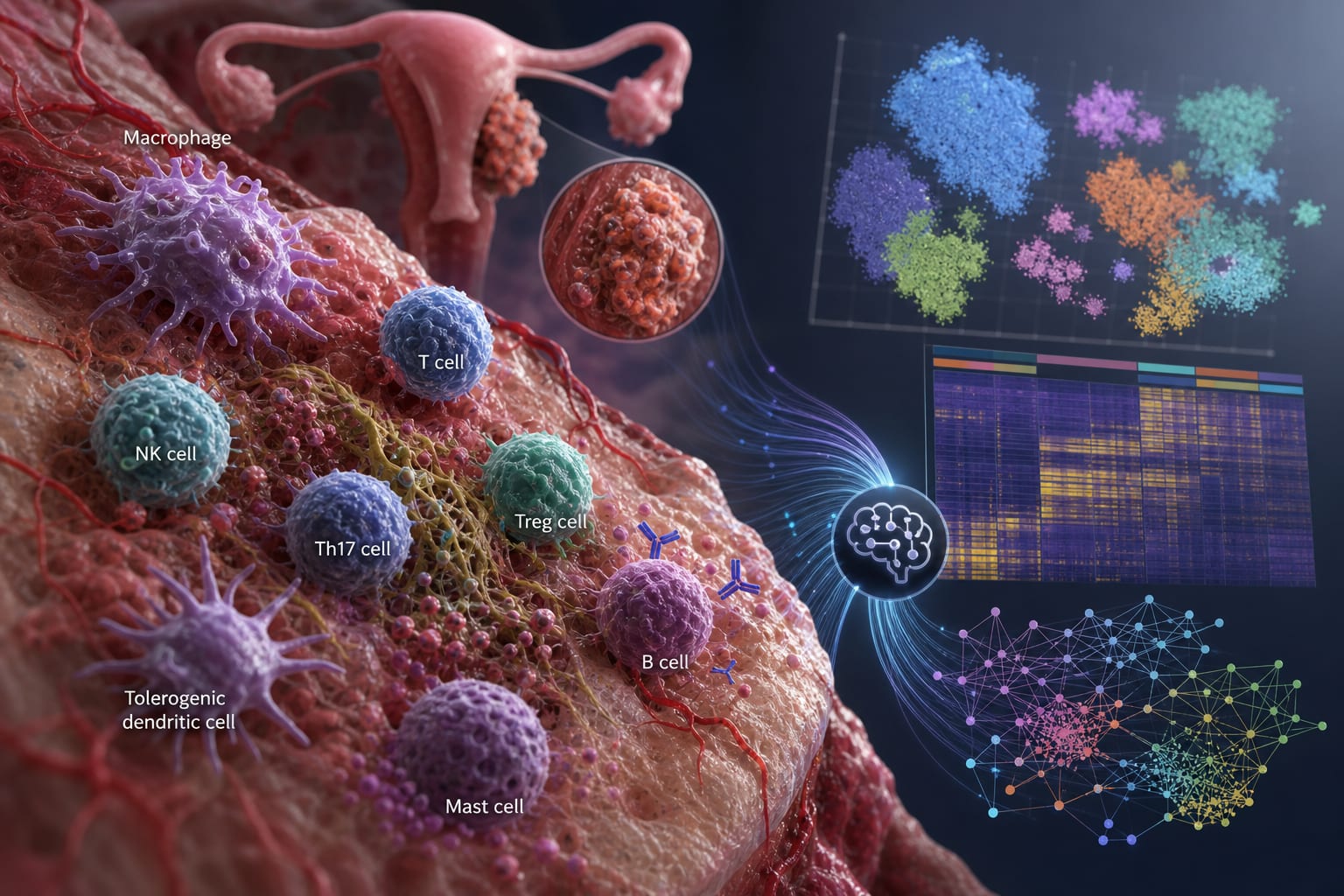
Therapeutic Approaches and Clinical Obstacles in Women with Endometriosis, Deep Infiltrating Endometriosis, and Adenomyosis Undergoing Assisted Reproductive Technologies: A Narrative Review
-
By
-
Cemil Kaya
-
May 18, 2026
Clinical Report: Therapeutic Approaches in Endometriosis and Adenomyosis
Overview
This narrative review evaluates therapeutic options and surgical outcomes for women with endometriosis, deep infiltrating endometriosis (DIE), and adenomyosis undergoing assisted reproductive technologies (ART). It highlights the impact of these conditions on fertility and ART outcomes, emphasizing the need for tailored management strategies.
Background
Endometriosis and adenomyosis are significant contributors to infertility, affecting a substantial proportion of women of reproductive age. The coexistence of these conditions complicates treatment and can adversely affect assisted reproductive technology (ART) outcomes. Understanding the implications of these disorders is crucial for optimizing fertility treatments and improving patient care.
Data Highlights
No specific numerical data provided in the source material.
Key Findings
- Endometriosis is linked to reduced oocyte yield and embryo quality.
- Live birth rates (LBR) in women with endometriosis are comparable to other infertility causes.
- Adenomyosis negatively impacts ART outcomes, particularly in cases of diffuse adenomyosis.
- Fresh vs. frozen embryo transfer outcomes are inconsistent; FET may be beneficial in endometriosis.
- Pre-ART screening with ultrasonography and MRI is recommended due to increased pregnancy complications.
Clinical Implications
Clinicians should consider the adverse effects of adenomyosis on ART outcomes when developing treatment plans for affected patients. Pre-ART imaging and individualized management strategies are essential to address the complexities associated with endometriosis and adenomyosis.
Conclusion
The review underscores the need for comprehensive management approaches for women with endometriosis and adenomyosis undergoing ART, highlighting the importance of tailored treatment strategies to improve reproductive outcomes.
Related Resources & Content
- Frontiers in Endocrinology, 2026 -- Advancing reproductive outcomes: integrating molecular, metabolic, and endocrine insights into oocyte maturation
- Surgical Endoscopy, 2023 -- A systematic review and meta-analysis reveals no significant benefits of robot-assisted laparoscopy compared to traditional laparoscopy for endometriosis surgery.
- Surgical Endoscopy, 2024 -- Comprehensive Surgical Approaches for Managing Severe Posterior Compartment Endometriosis
- European Radiology, 2025 -- Consensus Guidelines from ESUR on MRI Protocols for Endometriosis: Terminology and Compartmental Analysis
- NICE, 2024 -- Overview | Endometriosis: diagnosis and management | Guidance
- Frontiers, 2026 -- Association between endometriosis and adverse reproductive and perinatal outcomes in women undergoing assisted reproductive technology: a systematic review and meta-analysis
- Overview | Endometriosis: diagnosis and management | Guidance | NICE
- Frontiers | Association between endometriosis and adverse reproductive and perinatal outcomes in women undergoing assisted reproductive technology: a systematic review and meta-analysis
Based on findings from:
Clinical challenges and therapeutic strategies in women with endometriosis, deep infiltrating endometriosis, and/or adenomyosis undergoing assisted reproductive technologies: a narrative review
Cemil Kaya. Frontiers In Reproductive Health, 2026.
https://www.frontiersin.org/journals/reproductive-health/articles/10.3389/frph.2026.1802958/full
This content is an AI-generated, fully rewritten summary based on a published scholarly article. It does not reproduce the original text and is not a substitute for the original publication. Readers are encouraged to consult the source for full context, data, and methodology.