Clinical Report: Cellular Phenotype Transition in Vascular Calcification
Overview
Revise to include specific mechanisms and examples of VSMC roles under metabolic stress.
Background
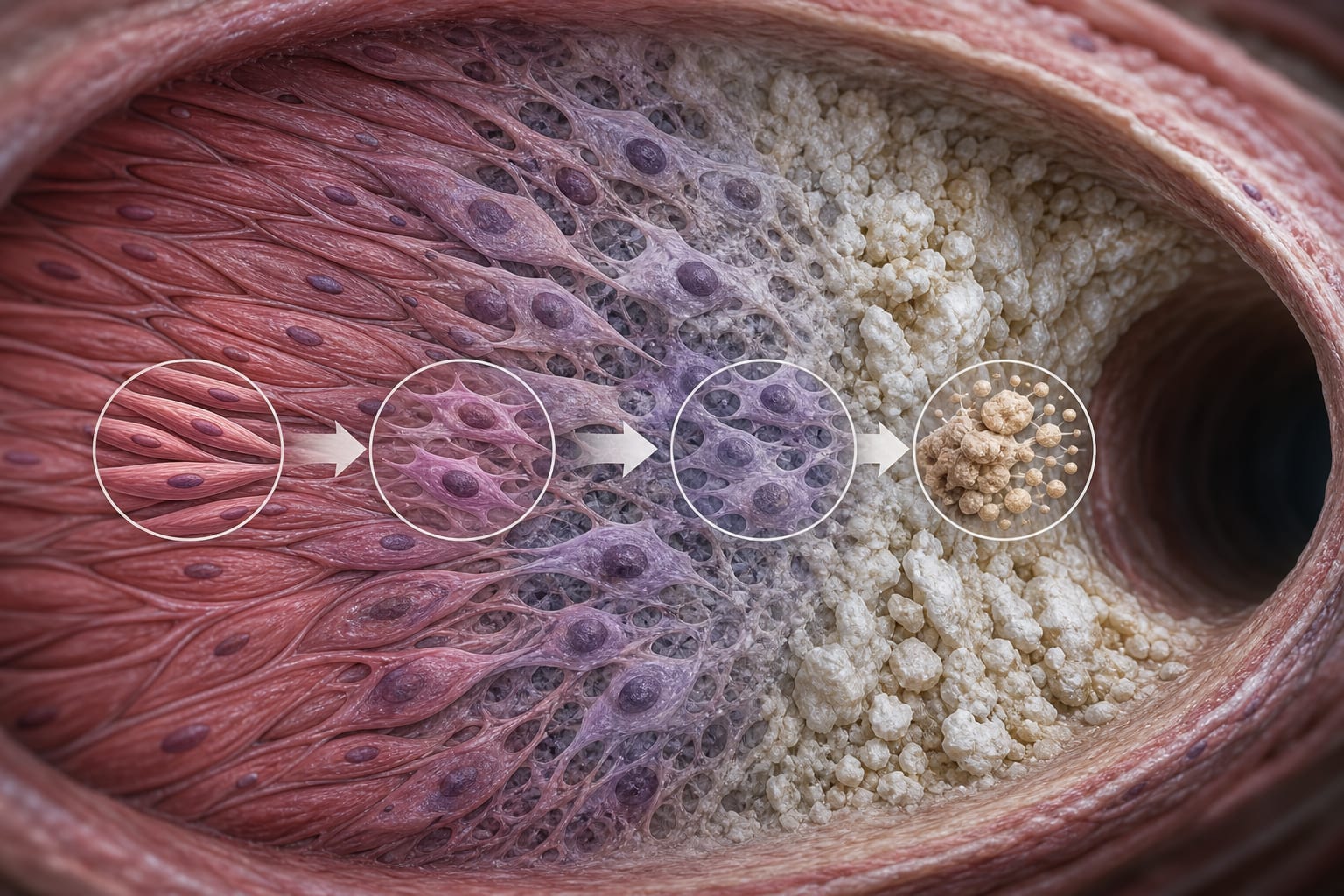
Vascular calcification is a critical factor in cardiovascular diseases, often associated with chronic conditions such as renal disease and diabetes. Traditionally viewed as passive, recent research indicates that VC is an active process involving VSMC phenotypic switching. Understanding these mechanisms is essential for developing targeted therapies to mitigate cardiovascular risks associated with VC.
Data Highlights
No numerical data provided in the source material.
Key Findings
Rephrase findings for clarity and ensure they are directly supported by the source.
Clinical Implications
Clinicians should recognize the active nature of vascular calcification and its association with various metabolic disorders. Interventions targeting VSMC phenotype and metabolic pathways may provide new avenues for treatment in patients at high risk for cardiovascular events.
Conclusion
The findings underscore the complexity of vascular calcification and the need for innovative therapeutic approaches that address the underlying mechanisms of VSMC phenotypic transition.
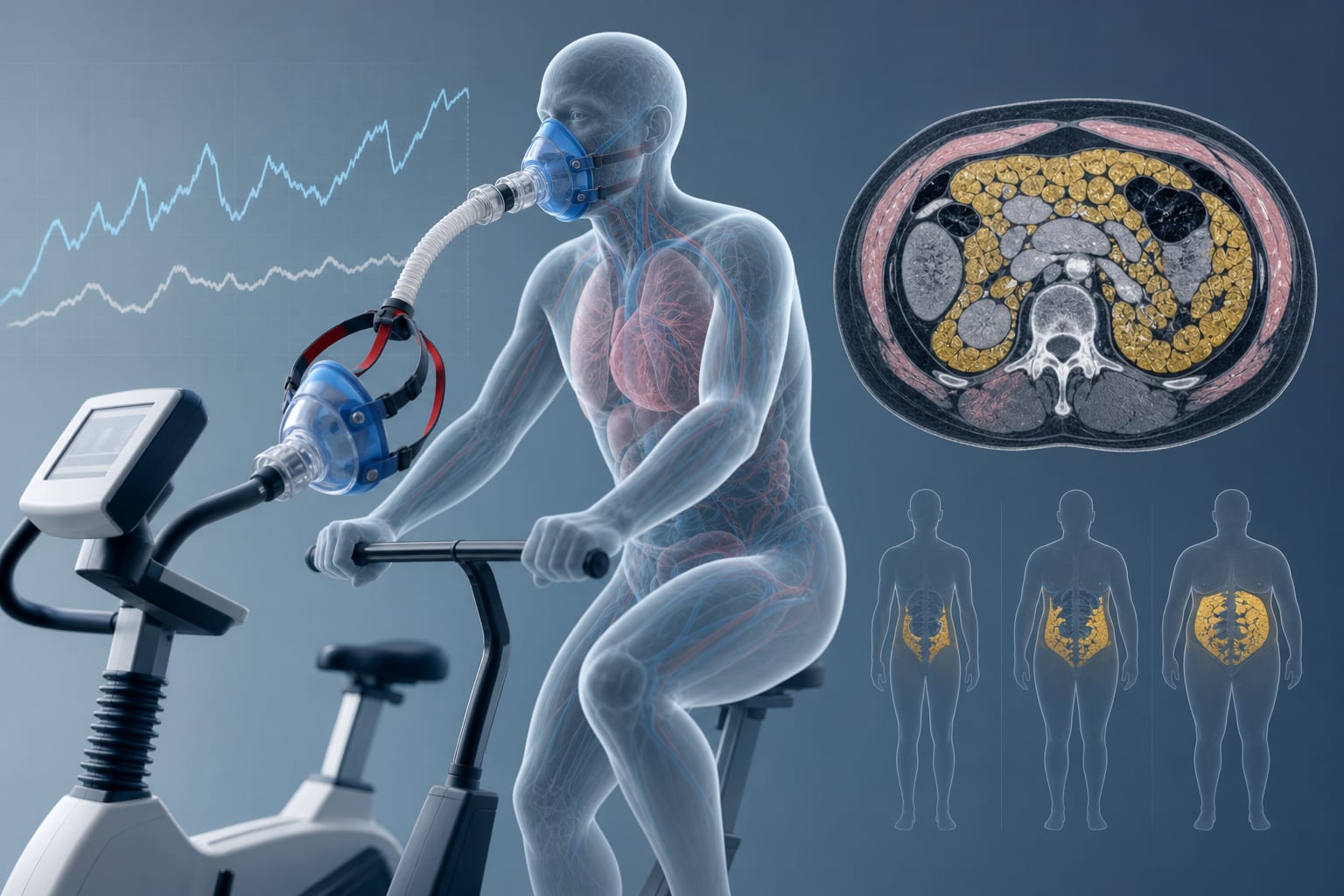
In a 76-week randomized trial, patients with obesity without diabetes who received survodutide achieved greater weight loss and favorable changes in several metabolic measures compared with those who received placebo.