Clinical Report: Reconciling Nosos and Asthenia in Alzheimer’s Disease Definition
Overview
This report explores the dichotomy between nosos (biological disease) and asthenia (clinical symptoms) in Alzheimer’s disease. It highlights the evolving definition of Alzheimer’s from symptom-based dementia diagnosis to a biomarker-driven biological framework.
Background
Historically, nosos referred to the biological roots of disease, while asthenia described the lived experience of weakness and cognitive decline. Advances in biomedical technology have enabled detection of Alzheimer’s pathology before symptoms appear, challenging traditional symptom-based diagnosis. This shift parallels other diseases where biomarkers precede clinical manifestations, raising questions about how Alzheimer’s should be defined and diagnosed.
Data Highlights
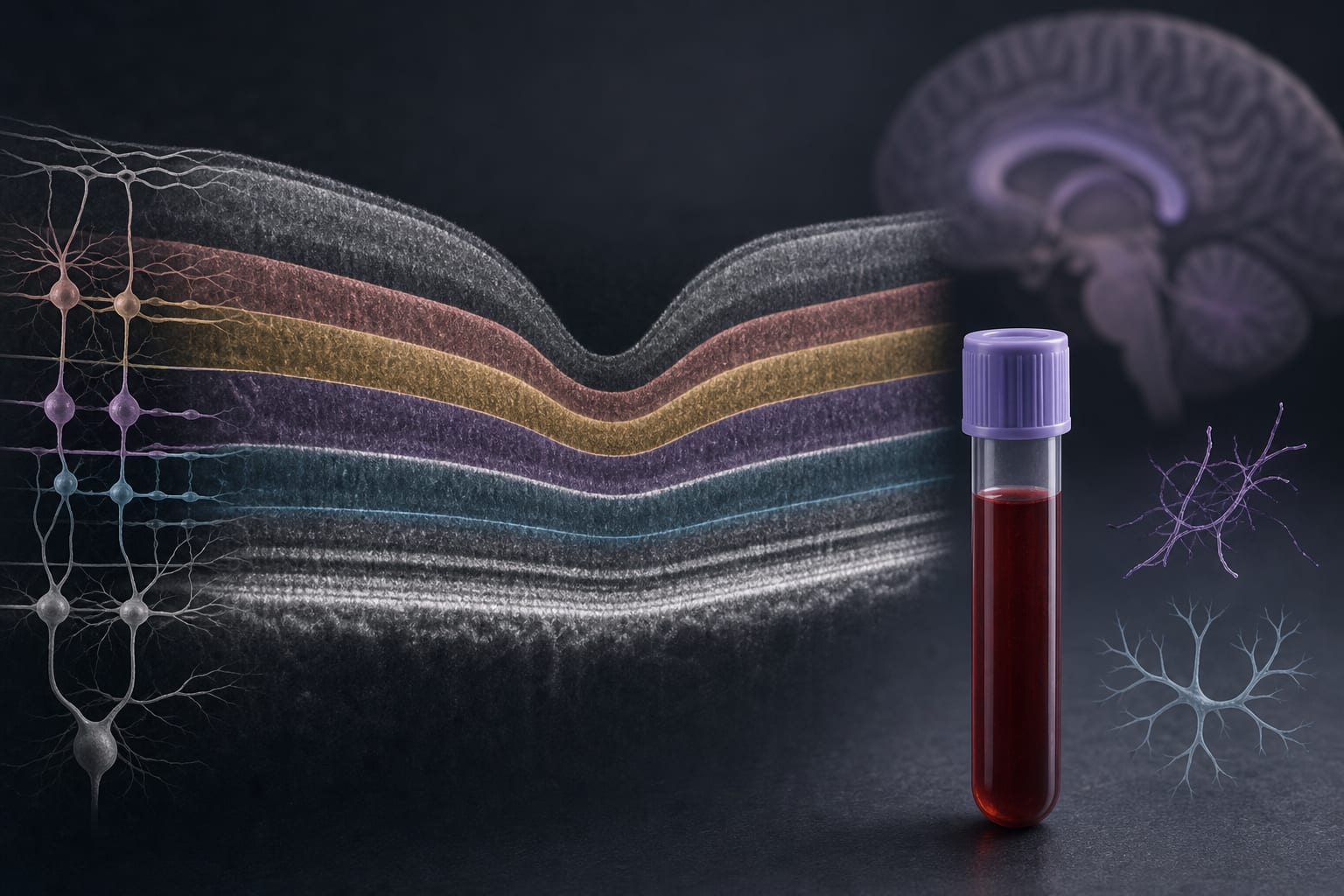
The 2024 revised Alzheimer’s Association criteria emphasize biological markers such as amyloid-β plaques, tau pathology, and neurodegeneration for diagnosis. Early detection via CSF biomarkers, PET imaging, and blood tests allows identification of Alzheimer’s pathology decades before dementia onset. Many clinically diagnosed Alzheimer-type dementia cases lack hallmark pathology at autopsy, underscoring diagnostic imprecision without biomarker confirmation.
Key Findings
Nosos and asthenia represent the biological and symptomatic aspects of disease, respectively, with origins in ancient Greek medical thought.
Modern medicine increasingly defines diseases, including Alzheimer’s, by underlying pathology rather than symptoms alone.
Alzheimer’s disease diagnosis is shifting toward a biomarker-based framework, identifying pathology before cognitive symptoms emerge.
This shift enables earlier intervention opportunities but complicates clinical care since symptoms drive patient management and caregiver burden.
Nosological precision helps avoid misclassification of dementia types, improving research and treatment targeting.
Alzheimer’s disease remains a clinical-biological construct, requiring integration of both nosos and asthenia for comprehensive understanding.
Clinical Implications
Clinicians should recognize that Alzheimer’s disease can be present biologically without clinical symptoms, necessitating biomarker testing for accurate diagnosis. Early identification of pathology may allow preventive interventions before cognitive decline, but symptom management remains essential for patient care. Balancing biological diagnosis with clinical presentation is crucial for treatment decisions and patient support.
Conclusion
The evolving definition of Alzheimer’s disease reflects a fundamental tension between its biological basis and clinical manifestations. Integrating nosos and asthenia perspectives offers a more nuanced framework to guide diagnosis, research, and patient care.
References
Alzheimer’s Association Workgroup 2024 -- Revised Diagnostic Criteria for Alzheimer’s Disease
Ancient Greek Literature -- Nosos and Asthenia Concepts