Clinical Report: Exploring Mechanisms of Immune Checkpoint Inhibition in ccRCC
Overview
Immune checkpoint inhibitors (ICIs) have significantly improved survival in advanced clear-cell renal cell carcinoma (ccRCC), yet patient responses vary widely due to resistance mechanisms. This review discusses tumor-intrinsic factors and the tumor microenvironment's role in these outcomes, highlighting the potential of multi-omics and AI in personalizing treatment.
Background
The advent of immune checkpoint inhibitors has revolutionized the management of advanced ccRCC, establishing new standards of care. Despite the success of these therapies, a substantial number of patients experience primary or acquired resistance, limiting the benefits of treatment. Understanding the underlying mechanisms of resistance is crucial for optimizing therapeutic strategies and improving patient outcomes.
Data Highlights
No specific numerical data provided in the article.
Key Findings
ICIs have transformed treatment for advanced ccRCC, improving survival rates.
Resistance to ICIs can be attributed to tumor-intrinsic factors, including genetic alterations like PBRM1.
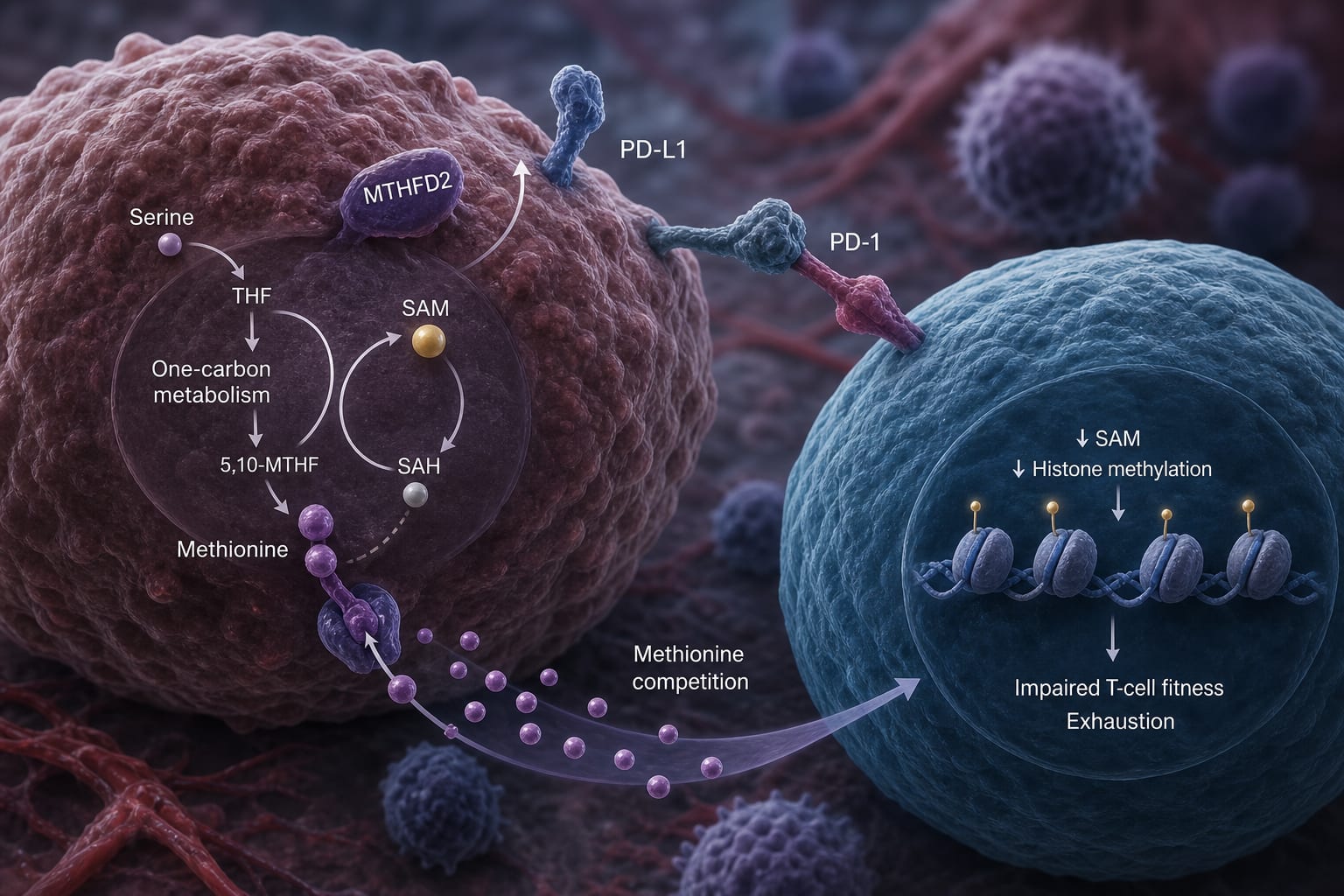
The tumor microenvironment (TME) contributes to immunosuppression through various cell populations and metabolic changes.
Multi-omics approaches are revealing complex cellular interactions within the TME, aiding in biomarker discovery.
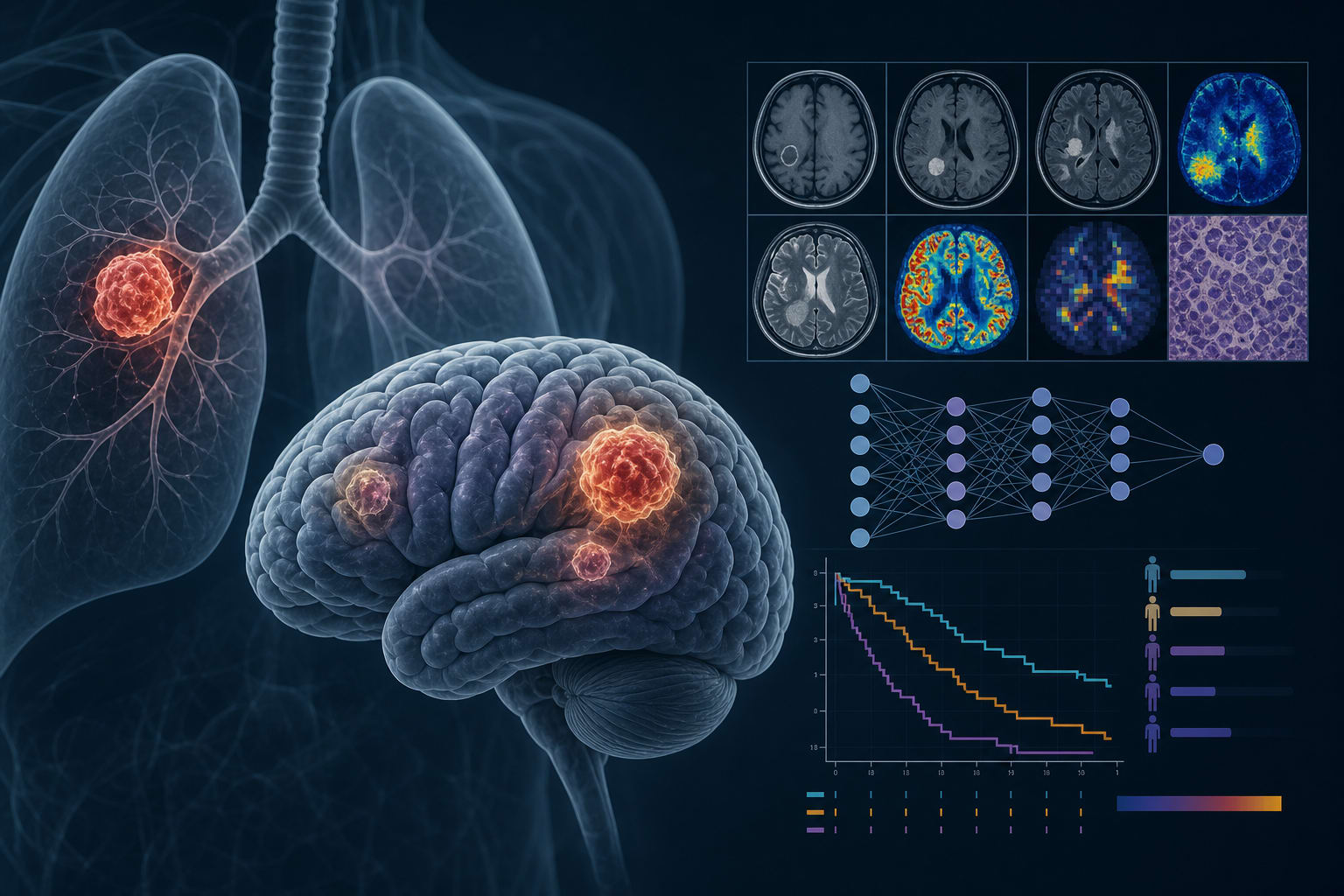
AI technologies are enhancing the interpretation of high-dimensional data to predict treatment responses.
Precision immuno-oncology aims to tailor ICI therapy based on individual patient profiles.
Clinical Implications
Clinicians should consider the heterogeneity of patient responses to ICIs and the role of genetic and environmental factors in treatment planning. The integration of multi-omics and AI could facilitate more personalized approaches to therapy, potentially improving outcomes for patients with ccRCC.
Conclusion
A deeper understanding of resistance mechanisms and the application of advanced technologies are essential for advancing treatment strategies in ccRCC. This approach may lead to more effective and personalized immunotherapy options for patients.