Editorial Expression of Concern: Evidence from a genetic fate-mapping study that stem cells refresh adult mammalian cardiomyocytes after injury - Report - MDSpire
Coming Soon: Introducing MDSpire News. Learn more
Conexiant’s news site is now MDSpire News. Learn more

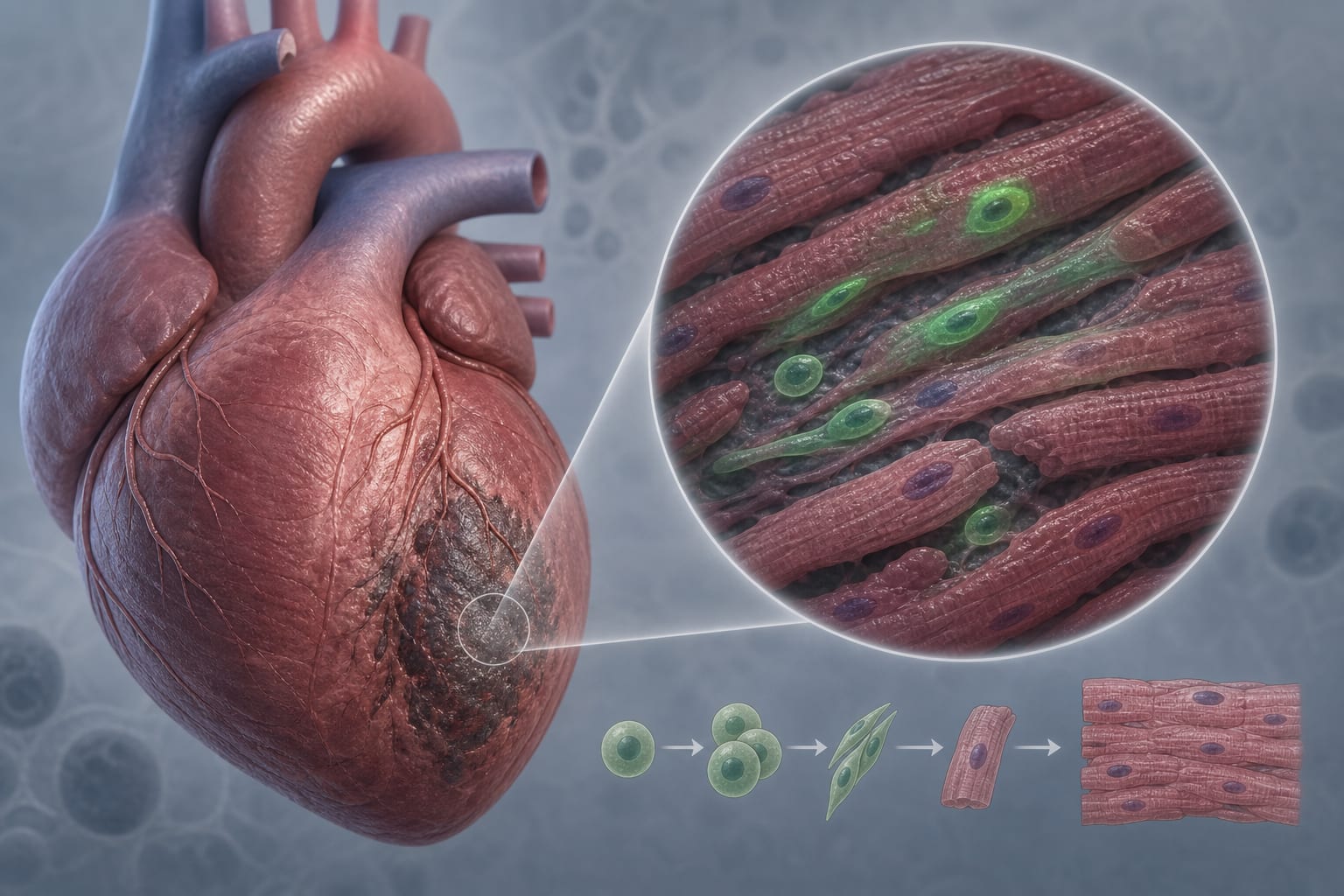
Concerns Raised: Insights from a Genetic Fate-Mapping Study on Stem Cell Contribution to Adult Mammalian Cardiomyocyte Renewal Post-Injury

  • By

  • Patrick C. H. Hsieh

  • Vincent F. M. Segers

  • Michael E. Davis

  • Catherine MacGillivray

  • Joseph Gannon

  • Jeffery D. Molkentin

  • Jeffrey Robbins

  • Richard T. Lee

  • August 12, 2026

Share

Concerns Raised: Insights from a Genetic Fate-Mapping Study on Stem Cell Contribution to Adult Mammalian Cardiomyocyte Renewal Post-Injury

Background

The ability of the adult mammalian heart to regenerate after injury is limited, leading to a deficiency in cardiomyocytes and impaired recovery. Heart failure is a growing global health issue.

Data Highlights

Concerns were raised regarding the overlap in figures and image integrity in the original study, as noted in the editorial.

Key Findings

  • Partial overlap was noted in multiple doses of GFP in Fig. 1b, as reported in the editorial.
  • Images labeled “MI remote” and “Overload” were interchanged in Fig. 3a, according to the authors.
  • The authors could not retrieve original images for verification due to the time elapsed since publication.
  • Editorial support for the concerns was expressed by multiple experts in the field.
  • Readers are advised to interpret the results cautiously, as stated in the editorial.

Clinical Implications

Healthcare professionals should be aware of the raised concerns regarding the study's findings.

Conclusion

Caution is advised in interpreting the findings until further verification is possible, as highlighted in the editorial.

Related Resources & Content

  1. Nature Medicine, 2007 -- Concerns Raised: Insights from a Genetic Fate-Mapping Study
  2. Basic Research in Cardiology — Non-coding RNAs: Key Contributors to Cardiomyocyte Growth and Cardiac Repair
  3. Pediatric Cardiology — Strategies Utilizing Cell Cycle Mechanisms for Myocardial Regeneration
  4. Basic Research in Cardiology — Models of Neonatal Injury: Essential Instruments for Understanding the Molecular Mechanisms of Cardiac Regeneration
  5. Basic Research in Cardiology — Modulating Cardiomyocyte Cell Cycle Control in the Context of Heart Failure
  6. ACC, AHA Issue New Acute Coronary Syndromes Guideline - American College of Cardiology
  7. Are stem cells taken from a person's bone marrow and delivered to their heart a safe and effective treatment following a heart attack? | Cochrane
  8. https://www.annualreviews.org/doi/pdf/10.1146/annurev-physiol-031120-103629

Original Source(s)

Related Content