Clinical Report: Feasibility and Safety of a Triple-Modality Surgical Approach
Overview
This report evaluates a novel triple-modality surgical approach for complex septated chronic subdural hematomas (CSDHs), demonstrating high feasibility and safety. The approach resulted in significant hematoma volume reduction and no recurrences in a small cohort of patients.
Background
Complex septated CSDHs present significant surgical challenges due to their high recurrence rates following conventional treatments. Traditional burr-hole drainage often fails to address the underlying mechanisms driving these recurrences, necessitating innovative surgical strategies. The introduction of a triple-modality approach aims to improve outcomes by targeting neoangiogenesis, mechanical sequestration, and localized inflammation.
Data Highlights
Parameter
Triple-Modality Cohort
Historical Control Cohort
Patients
7
11
Median Age
71 years
N/A
Hematoma Volume Reduction
>95%
N/A
Recurrence Rate
0%
36.3%
Follow-up Duration
6.5 months
N/A
Key Findings
The triple-modality approach includes MMA embolization, neuroendoscopic fenestration, and localized dexamethasone irrigation.
All patients in the study improved to a Markwalder Grade of 0–1.
No recurrences were observed in the experimental cohort (0/7), compared to a 36.3% recurrence rate in the historical control group.
The median hematoma volume reduction was greater than 95% across the cohort.
No steroid-related systemic complications or wound healing defects were reported.
Clinical Implications
The findings suggest that the triple-modality approach may significantly reduce recurrence rates in complex CSDHs compared to traditional methods. This strategy may offer a safer alternative for managing these challenging cases, particularly in elderly patients who are at higher risk for systemic complications from corticosteroids.
Conclusion
The preliminary results indicate that the triple-modality surgical approach is both feasible and safe, with promising outcomes in terms of hematoma resolution and recurrence prevention. Further studies with larger cohorts are warranted to validate these findings.
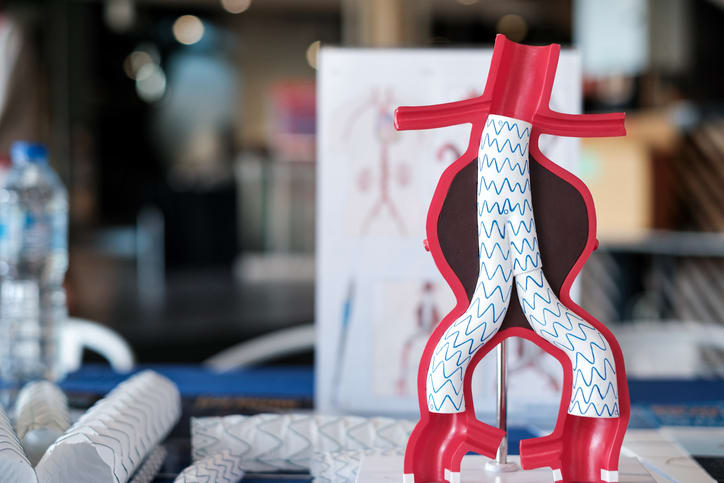
In this procedural case review, vascular surgeon Dr. Samuel Steerman demonstrates endovascular aneurysm repair (EVAR) for a patient in their 70s with an abdominal aortic aneurysm.