Anti-IgLON5 disease presenting with myokymia and favourable response to FcRN-antagonist combined with oral glucocorticoids: case report - Report - MDSpire

Anti-IgLON5 disease presenting with myokymia and favourable response to FcRN-antagonist combined with oral glucocorticoids: case report

  • By

  • Tianling Shang

  • Bo Ma

  • Shumei Wen

  • Zuohong Tang

  • Xiaoliang Mao

  • Keping Jiao

  • June 29, 2026

  • 0 min

Share

Clinical Report: Myokymia as a Presentation of Anti-IgLON5 Disease

Overview

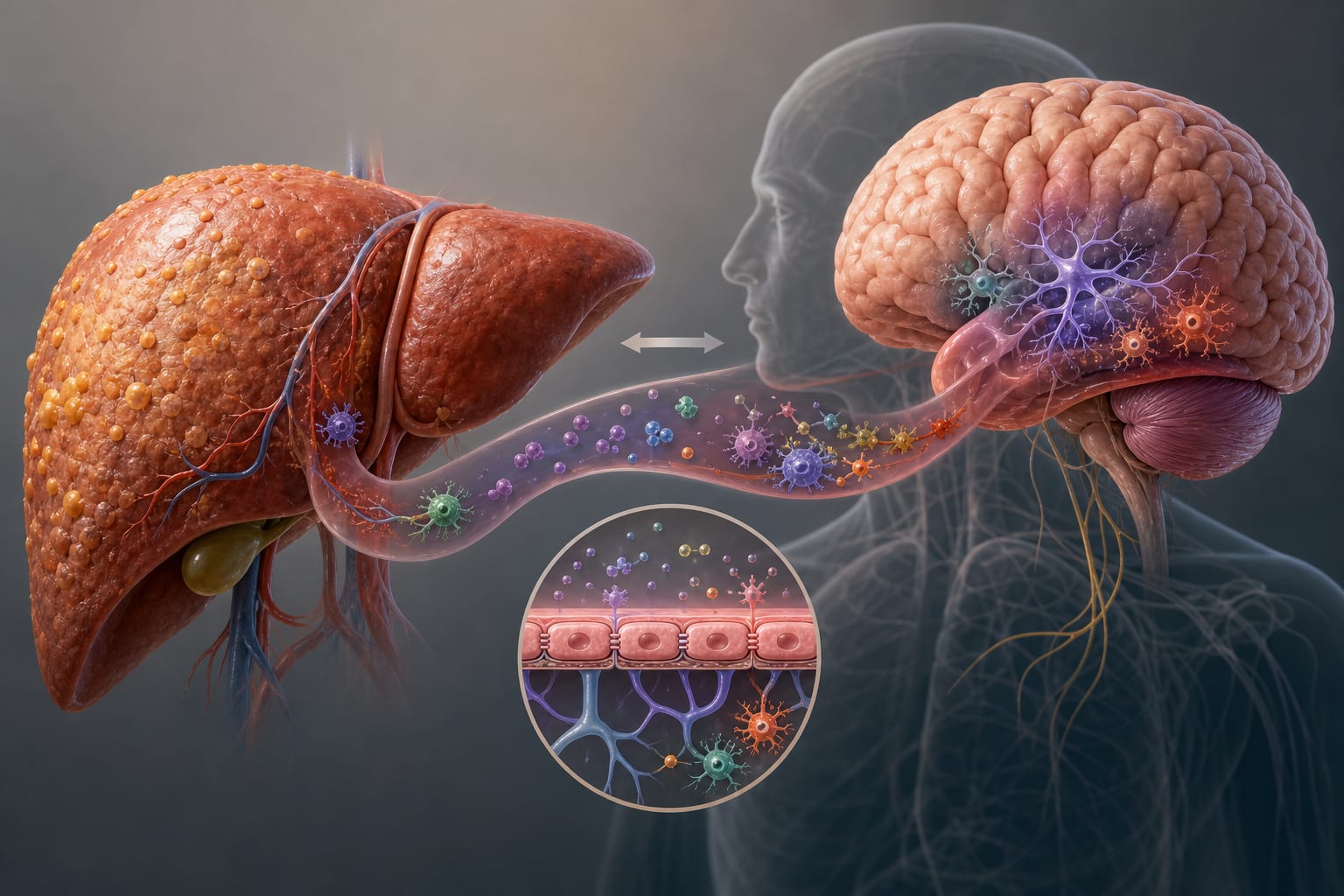
This case report describes a 53-year-old male with anti-IgLON5 disease presenting with generalized myokymia. Laboratory tests revealed positive anti-IgLON5 IgG antibodies in serum (titer 1:100) and CSF (titer 1:1).

Background

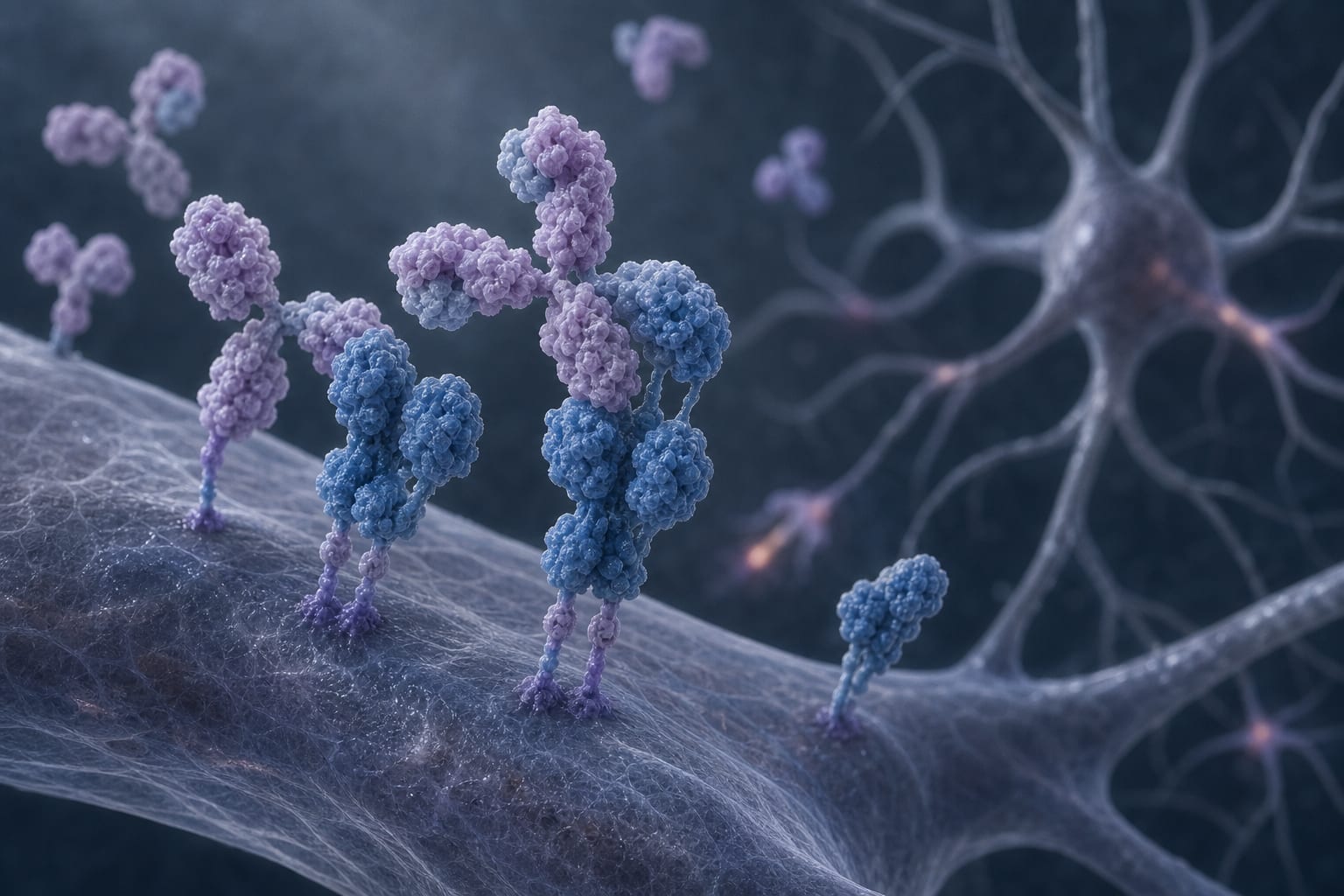
Anti-IgLON5 disease is a rare autoimmune neurological disorder characterized by autoantibodies targeting the IgLON5 protein. It presents with diverse clinical manifestations, including neuromuscular symptoms like myokymia, which can be misdiagnosed.

Data Highlights

Laboratory tests revealed positive anti-IgLON5 IgG antibodies in serum (titer 1:100) and CSF (titer 1:1). The patient experienced symptom alleviation after treatment, with antibody titers declining to negative within 3 months.

Key Findings

  • The patient had a history of intermittent generalized myokymia for 8 months prior to diagnosis.
  • Myokymia was observed in multiple muscle groups and was exacerbated by emotional stress.
  • Initial treatments with baclofen and acupuncture were ineffective.
  • Combined treatment with efgartigimod and oral prednisone led to alleviation of symptoms.
  • During an 18-month follow-up, symptoms abated within the first 6 months.
  • Antibody titers fluctuated, with a mild recurrence of symptoms at 7 months post-treatment.

Clinical Implications

This case highlights the importance of screening for anti-IgLON5 antibodies in patients presenting with myokymia.

Related Resources & Content

  1. Author(s)/Org, Source, Year -- Title
  2. Author(s)/Org, Source, Year -- Title
  3. Author(s)/Org, Source, Year -- Title
  4. Author(s)/Org, Source, Year -- Title
  5. Author(s)/Org, Source, Year -- Title
  6. Author(s)/Org, Source, Year -- Title
  7. Author(s)/Org, Source, Year -- Title
  8. Author(s)/Org, Source, Year -- Title
  9. Author(s)/Org, Source, Year -- Title
  10. Author(s)/Org, Source, Year -- Title
  11. Author(s)/Org, Source, Year -- Title
  12. Neurology - Facial myokymia and myorhythmia in anti-IgLON5 disease
  13. Neuropathological spectrum of anti-IgLON5 disease and stages of brainstem tau pathology: updated neuropathological research criteria of the disease-related tauopathy
  14. Canadian Consensus Guidelines for the Diagnosis and Treatment of Autoimmune Encephalitis in Adults
  15. Autoimmune encephalitis | Nature Reviews Disease Primers
  16. Anti‐IgLON5 Disease: A Systematic Review and Meta‐Analysis - PMC
  17. HLA dependency and possible clinical relevance of intrathecally synthesized anti-IgLON5 IgG4 in anti-IgLON5 disease
  18. Efgartigimod as an Add-on Therapy for Anti-IgLON5 Disease: A Case Report - PubMed
  19. Efgartigimod as a Fast‐Acting Add‐On Therapy in Antibody–Mediated Autoimmune Encephalitis - PMC
  20. Safety, efficacy, and tolerability of efgartigimod in patients with generalised myasthenia gravis (ADAPT): a multicentre, randomised, placebo-controlled, phase 3 trial - PubMed
  21. Safety and efficacy of rozanolixizumab in patients with generalised myasthenia gravis (MycarinG): a randomised, double-blind, placebo-controlled, adaptive phase 3 study - PubMed

Original Source(s)

Related Content