Editorial: Precision oncology: integrating molecular mechanisms, organoid models, and omics technologies for personalized cancer care - Report - MDSpire
Advertisement
Editorial: Precision oncology: integrating molecular mechanisms, organoid models, and omics technologies for personalized cancer care
Clinical Report: Advancements in Precision Oncology: Merging Molecular Mechanisms
Overview
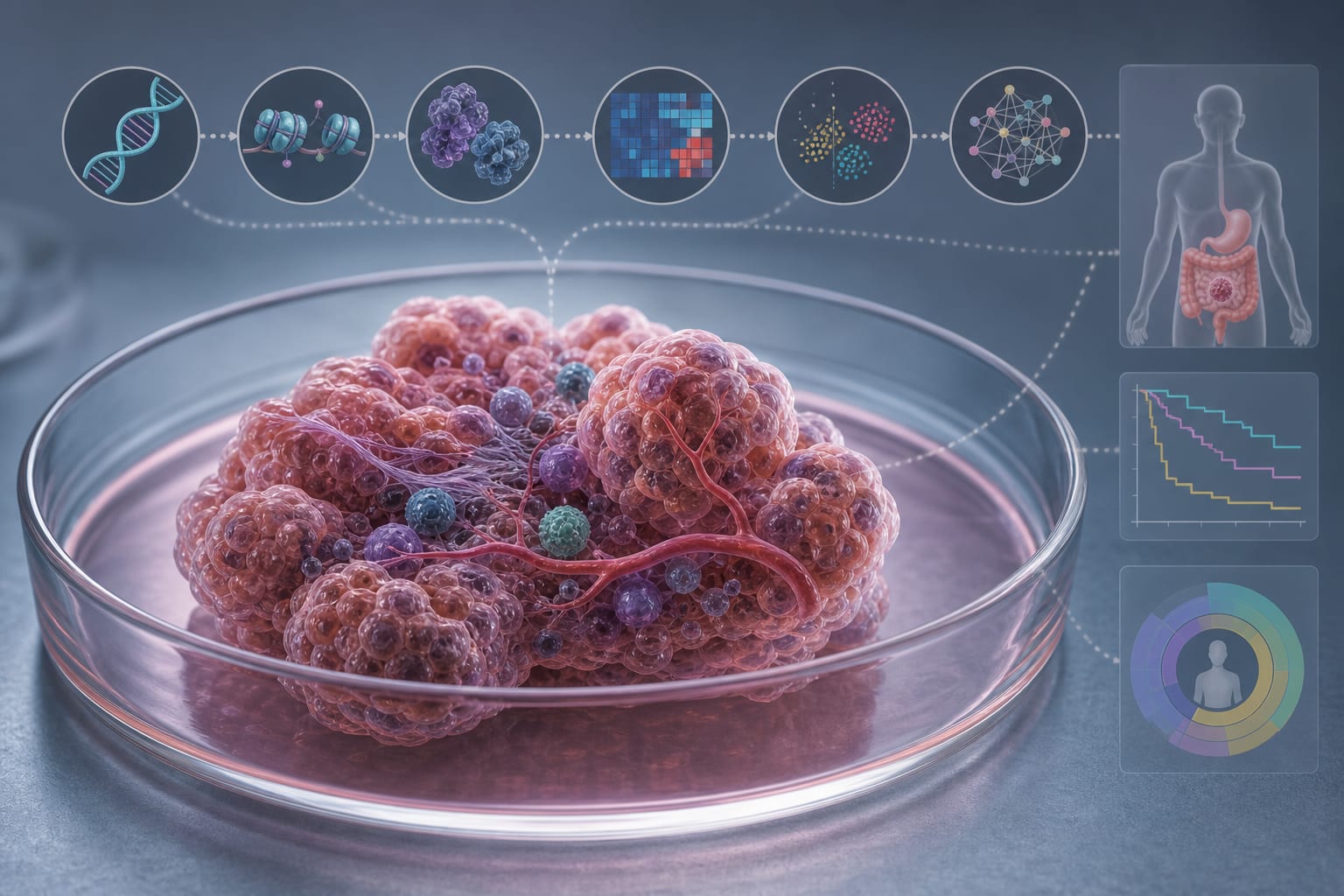
This editorial discusses the evolution of precision oncology, emphasizing the integration of molecular mechanisms, organoid models, and omics technologies for personalized cancer treatment.
Background
Precision oncology is crucial as it moves beyond identifying targetable mutations to a more integrated approach that considers molecular mechanisms and the tumor microenvironment. Understanding cancer as a dynamic biological system allows for the advancement of personalized cancer care. The integration of multi-omics technologies and functional disease models is essential.
Data Highlights
No specific numerical data or trial results were provided in the source material.
Key Findings
Precision oncology is evolving to include molecular mechanisms, omics technologies, and functional models.
Epigenetic alterations play a significant role in cancer metastasis and therapeutic resistance.
Next-generation sequencing can identify germline and somatic alterations for population-specific molecular stratification.
Functional modeling, including patient-derived organoids, enhances the predictive power of molecular profiling.
Integrated diagnostic panels combining various biomarkers can improve clinical decision-making.
Clinical Implications
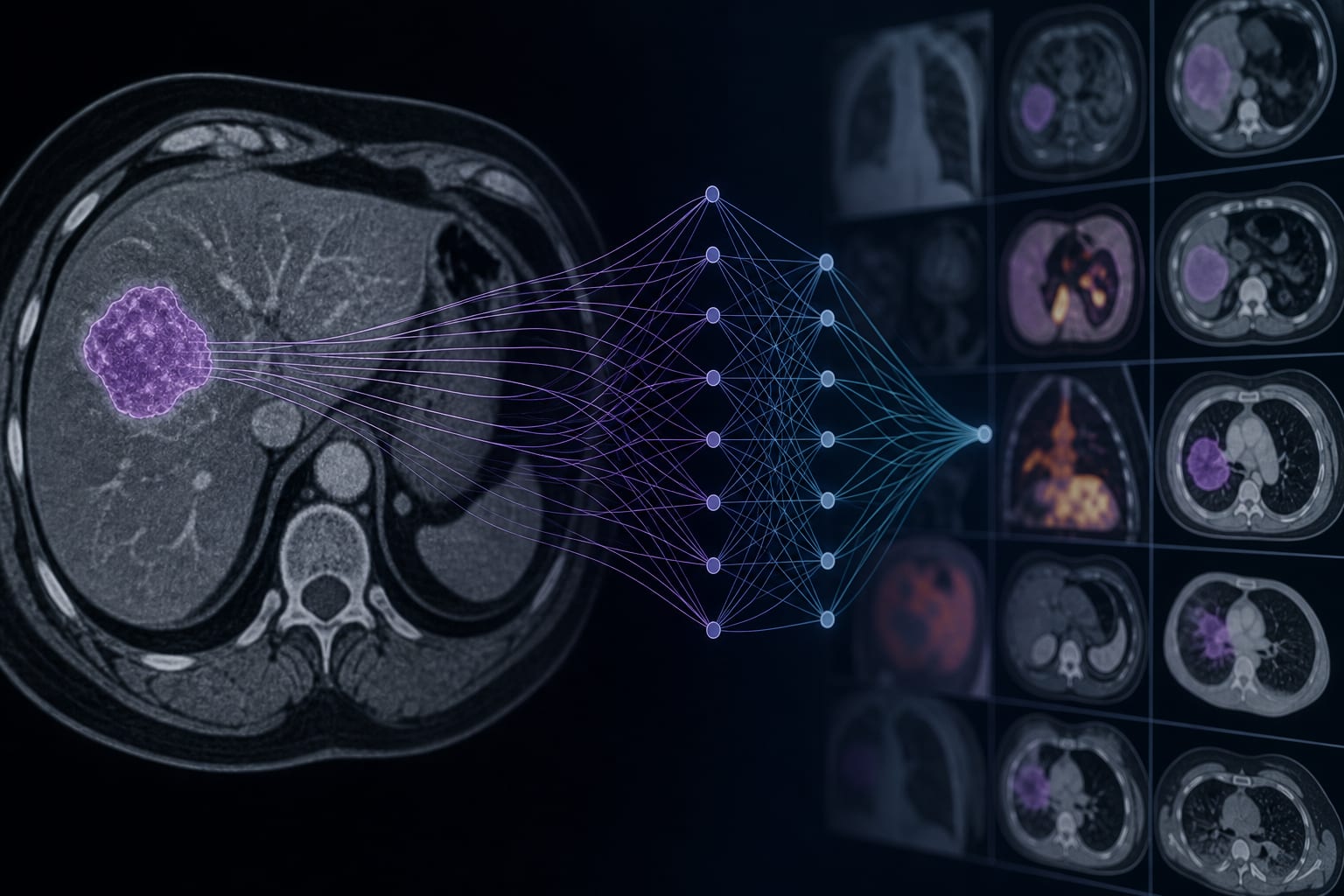
The integration of multi-omics data and functional modeling can enhance the precision of cancer treatments.
Conclusion
The advancements in precision oncology reflect a shift towards a more comprehensive understanding of cancer.