Immune-related adverse events are a potent predictor of post-transplant rejection in HCC: a multicentre retrospective cohort study - Report - MDSpire

Immune-related adverse events are a potent predictor of post-transplant rejection in HCC: a multicentre retrospective cohort study

  • By

  • Jun Fang

  • Siyi Zhong

  • Tielong Wang

  • Kang He

  • Aibo Mu

  • Meiching Ong

  • Yimou Lin

  • Zebin Zhu

  • Ning Wang

  • Jiancheng Wu

  • Zhihao Wang

  • Zhao Li

  • Feng Gao

  • Li Zhuang

  • Zhiyong Guo

  • Shusen Zheng

  • Hao Li

  • Shugeng Zhang

  • Qi Ling

  • June 1, 2026

  • 0 min

Share

Clinical Report: Immune-related adverse events as predictors of allograft rejection

Overview

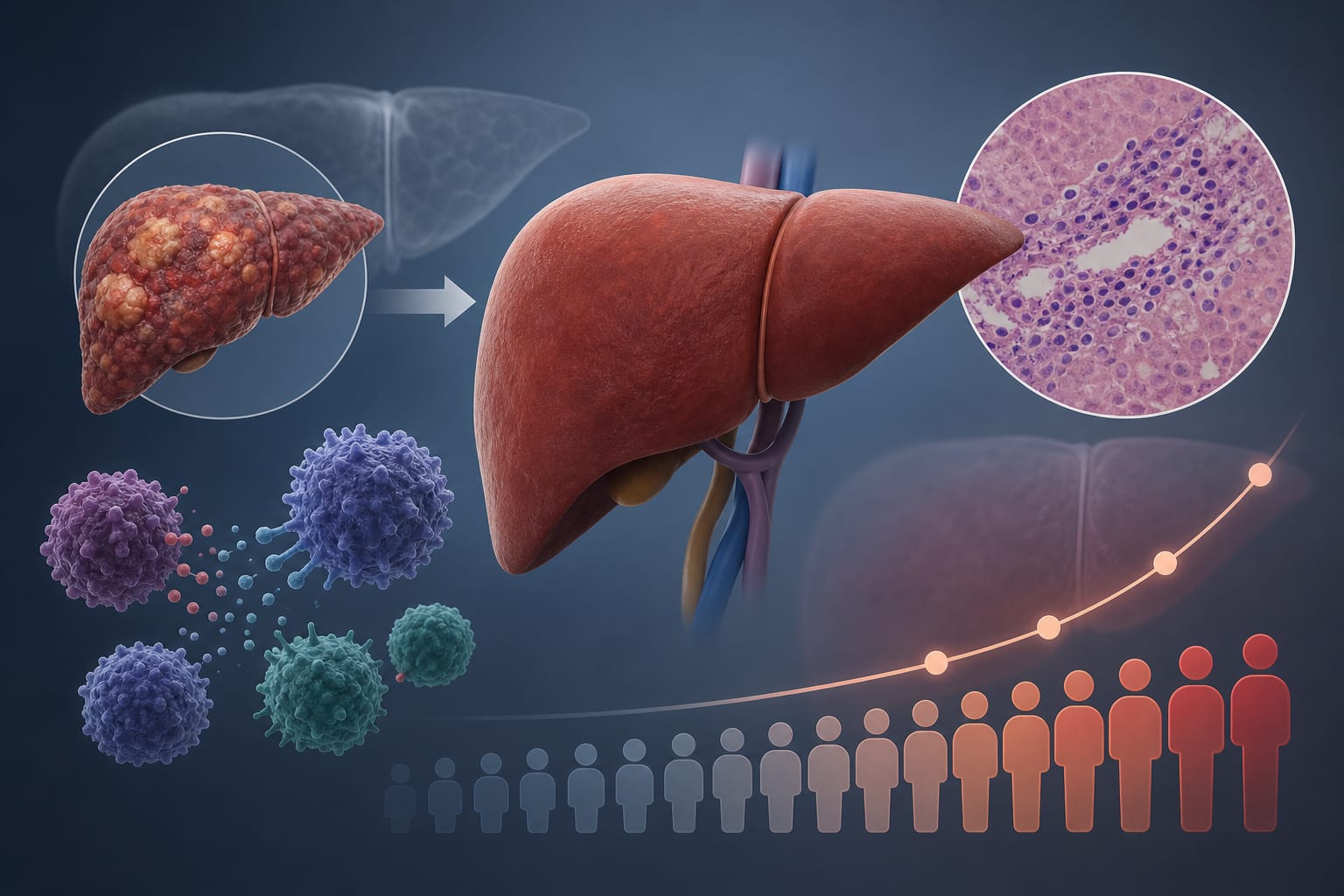
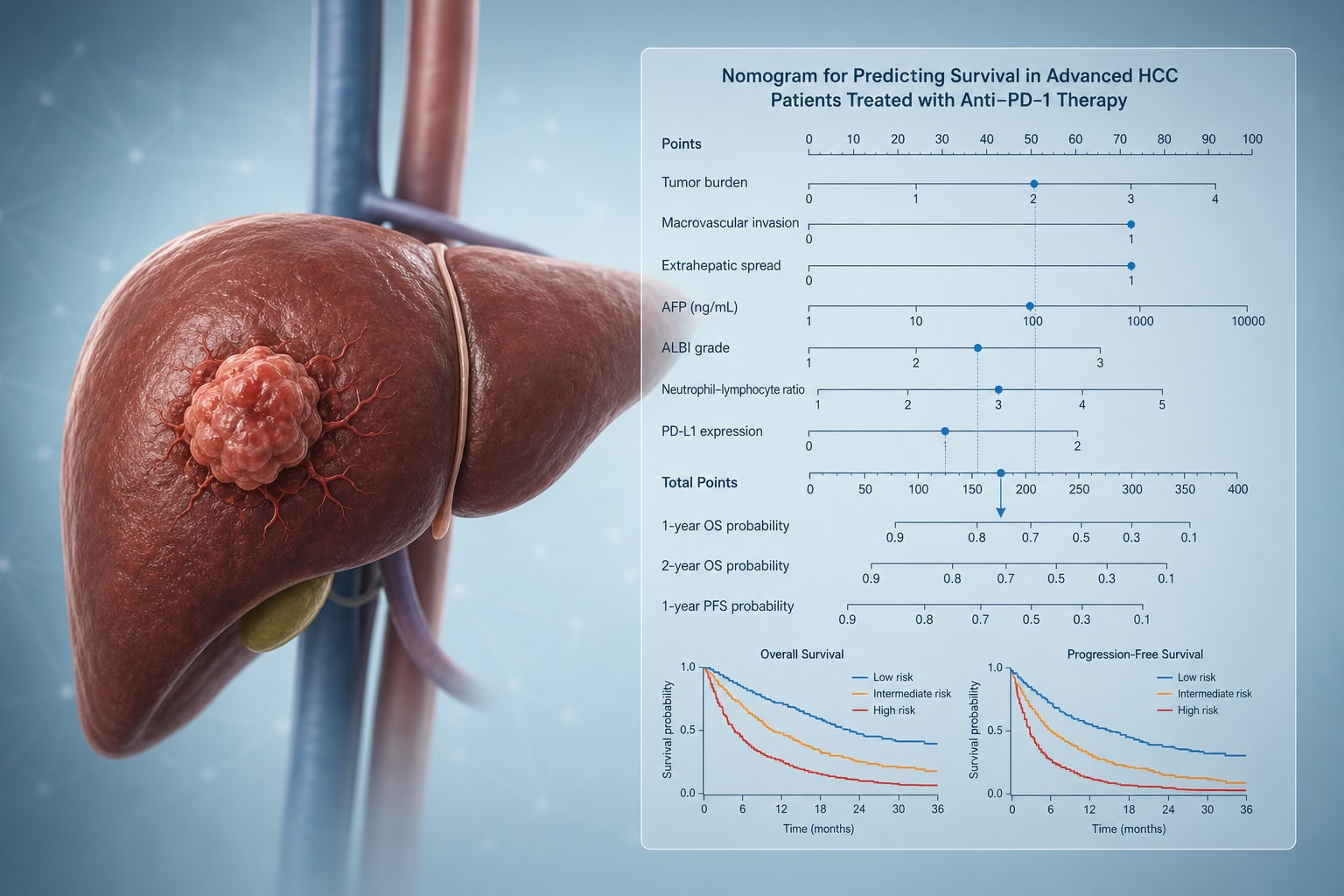
This study identifies immune-related adverse events (irAEs) as significant predictors of allograft rejection in hepatocellular carcinoma (HCC) patients undergoing liver transplantation after pretransplant immune checkpoint inhibitor therapy. A predictive model incorporating irAEs, younger recipient age, and short washout periods demonstrates good discriminatory performance for risk stratification.

Background

Liver transplantation (LT) is a critical treatment for end-stage liver diseases, particularly in patients with hepatocellular carcinoma (HCC). The use of immune checkpoint inhibitors (ICIs) has improved transplant eligibility but is associated with a heightened risk of allograft rejection. Understanding the predictors of rejection is essential for optimizing patient outcomes and transplant strategies.

Data Highlights

No numerical data available in the source material.

Key Findings

  • IrAEs are linked to increased risk of allograft rejection in HCC patients treated with ICIs.
  • A predictive model integrating irAEs, younger recipient age, and short washout periods shows good discriminatory performance.
  • IrAEs reflect heightened immune activation, correlating with increased peripheral immune cells and proinflammatory factors.
  • Identifying irAEs may enhance patient selection and risk stratification prior to liver transplantation.
  • Incorporating immune monitoring into transplant planning could improve graft outcomes.

Clinical Implications

Clinicians should consider the occurrence of irAEs as a potential biomarker for assessing rejection risk in HCC patients undergoing LT after ICI therapy. Tailoring immunosuppressive strategies and washout periods based on irAE status may improve transplant outcomes.

Conclusion

The findings underscore the importance of irAEs as predictors of allograft rejection, suggesting that their identification could significantly influence transplant planning and patient management in HCC.

Related Resources & Content

  1. Author(s)/Org, Source, Year -- Title
  2. EASL Clinical Practice Guidelines on the management of hepatocellular carcinoma - ScienceDirect
  3. Impact of pre-transplant immune checkpoint inhibitor use on post-transplant outcomes in HCC: A systematic review and individual patient data meta-analysis - ScienceDirect
  4. Utilizing Morphologic Criteria Alongside α-Fetoprotein for Patient Selection in Hepatocellular Carcinoma Liver Transplantation Reduces Posttransplant Tumor Recurrence Risks
  5. Association of Invasive Fungal Infections with Chronic Graft-Versus-Host Disease Following Allogeneic Hematopoietic Stem Cell Transplantation: A Retrospective Study from a Single Institution
  6. A New Composite Risk Assessment Tool for Predicting Survival Outcomes in Allogeneic Stem Cell Transplantation: Validation from Iowa and Mayo Clinics
  7. Association of Antigen-Specific T Cell Responses with Reduced Incidence of Acute Graft-Versus-Host Disease in a Contemporary Multicenter Cohort
  8. EASL Clinical Practice Guidelines on the management of hepatocellular carcinoma - ScienceDirect
  9. Impact of pre-transplant immune checkpoint inhibitor use on post-transplant outcomes in HCC: A systematic review and individual patient data meta-analysis - ScienceDirect
  10. Immune-related adverse events are a potent predictor of post-transplant rejection in HCC: a multicentre retrospective cohort study | Gut

Original Source(s)

Related Content