Misdiagnosis Common in Parkinsonian Disorders - Report - MDSpire
Advertisement
Misdiagnosis Common in Parkinsonian Disorders
Autopsy-confirmed findings linked diagnostic errors, co-pathology, and genetic variation to distinct pathologic patterns across more than 3,300 donors with Parkinsonian disorders.
Clinical Report: Misdiagnosis Common in Parkinsonian Disorders
Overview
A large autopsy-confirmed study reveals that diagnostic errors in Parkinsonian disorders occur at rates of approximately 10% to 20%. The study highlights the influence of genetic variation, co-pathology, and ancestry on diagnostic accuracy.
Background
Accurate diagnosis of Parkinsonian disorders is critical for effective management and treatment. Misdiagnosis can lead to inappropriate therapeutic strategies and impact patient outcomes.
Data Highlights
Disorder
Misdiagnosis Rate
Correspondence with Lewy Body Pathology
Parkinson's Disease
10%-20%
92%
Parkinson's Disease Dementia
10%-20%
92%
Dementia with Lewy Bodies
10%-20%
92%
Multiple System Atrophy
High specificity, low positive predictive value
N/A
Corticobasal Syndrome
High specificity, low positive predictive value
N/A
Key Findings
Misdiagnosis rates across Parkinsonian disorders range from 10% to 20%.
Clinical diagnoses of Parkinson's disease, Parkinson's disease dementia, and dementia with Lewy bodies corresponded with underlying Lewy body pathology in 92% of cases.
Donors with dementia-associated parkinsonism were nearly twice as likely to have Lewy body pathology compared to those with Parkinson's disease without dementia.
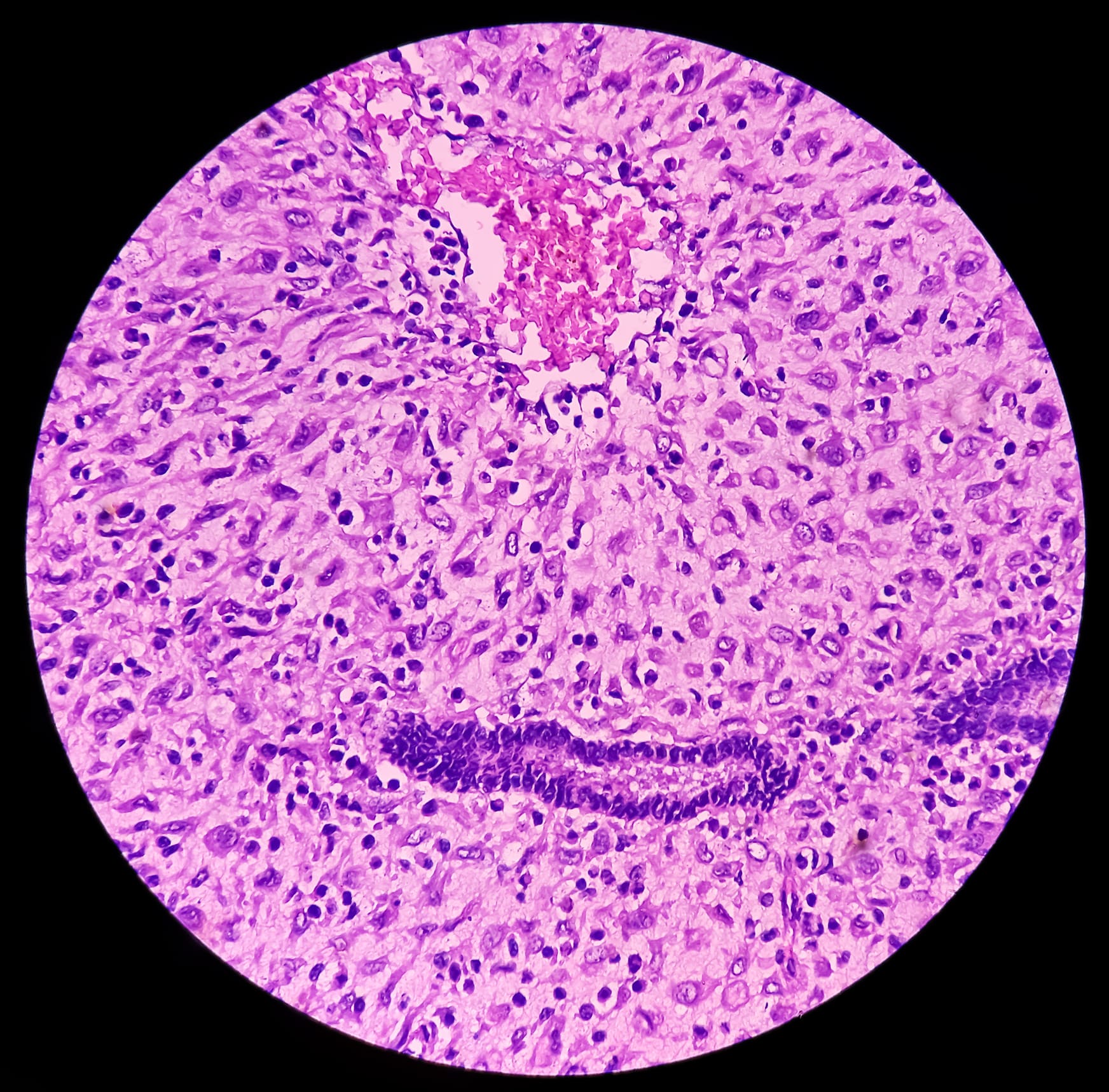
Among patients diagnosed with corticobasal syndrome, autopsy findings often revealed alternative pathologies such as progressive supranuclear palsy.
40% of patients with Lewy body disease had coexisting Alzheimer's disease pathology.
Genetic analyses indicated that GBA1 variant carriers had more widespread Lewy body pathology compared to noncarriers.
Clinical Implications
The findings suggest that clinical features alone may not adequately capture the biological diversity of Parkinsonian disorders. Integrating genetic and pathologic data could enhance diagnostic accuracy and inform treatment strategies.
Conclusion
This study emphasizes the importance of a comprehensive diagnostic approach that includes genetic and neuropathological assessments to improve the accuracy of diagnoses in Parkinsonian disorders.
A two-marker methylated DNA assay identified endometrial cancer with 96% sensitivity in self-collected vaginal fluid — but prospective validation is needed before it can reduce biopsies in routine care.