Clinical Report: Variability in Immune Response and Treatment Resistance in Gynecological Cancers
Background
Gynecological malignancies are a leading cause of cancer-related mortality among women, characterized by complex tumor ecosystems and significant interpatient variability in therapeutic responses. Understanding the immune microenvironment is crucial for developing effective treatment strategies, particularly in the context of emerging precision immunotherapy.
Data Highlights
No numerical data or trial data presented in the source material.
Key Findings
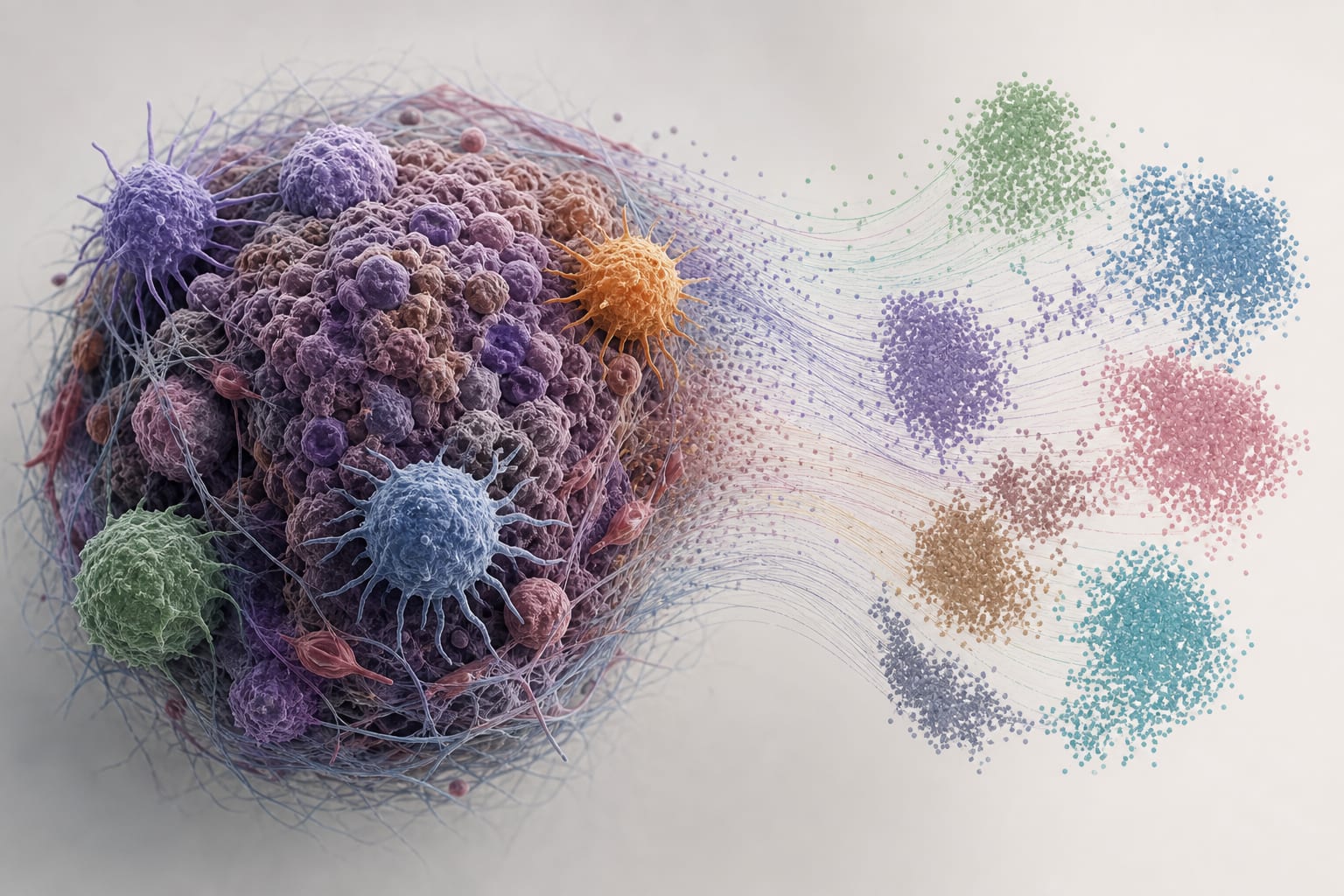
Single-cell sequencing reveals cellular heterogeneity in cervical, ovarian, and endometrial cancers.
In cervical cancer, HPV-induced immune suppression and exhausted T/NK-cell populations are significant.
Ovarian cancer studies show insights into platinum resistance and immune suppression associated with ascites.
Endometrial cancer profiling uncovers prognostic stromal–immune interactions.
Dynamic immune remodeling contributes to therapeutic resistance across these malignancies.
Clinical Implications
The findings emphasize the need for personalized treatment approaches that consider the unique immune microenvironment of each patient's tumor. Single-cell sequencing may guide the development of targeted immunotherapies to improve clinical outcomes.
Conclusion
Understanding the immune landscape in gynecological cancers is essential for advancing treatment strategies and enhancing patient care. Continued research in this area may lead to more effective immunotherapeutic options.