Clinical Report: Acellular Dermal Matrix as a Treatment Option for GBR
Overview
This report evaluates the use of acellular dermal matrix (ADM) as a barrier membrane in guided bone regeneration (GBR) procedures. Case studies demonstrate ADM's efficacy in enhancing peri-implant tissues and facilitating ridge augmentation for future implant placement.
Background
Guided bone regeneration (GBR) is a critical procedure in periodontal therapy, traditionally relying on resorbable and non-resorbable membranes. Acellular dermal matrix (ADM) offers a promising alternative, potentially reducing the need for donor tissue harvesting and associated patient morbidity. Understanding the role of ADM in GBR could enhance treatment options for patients with inadequate soft tissue.
Data Highlights
No numerical data or trial data provided in the source material.
Key Findings
ADM serves as a barrier membrane in GBR, providing an alternative to traditional membranes.
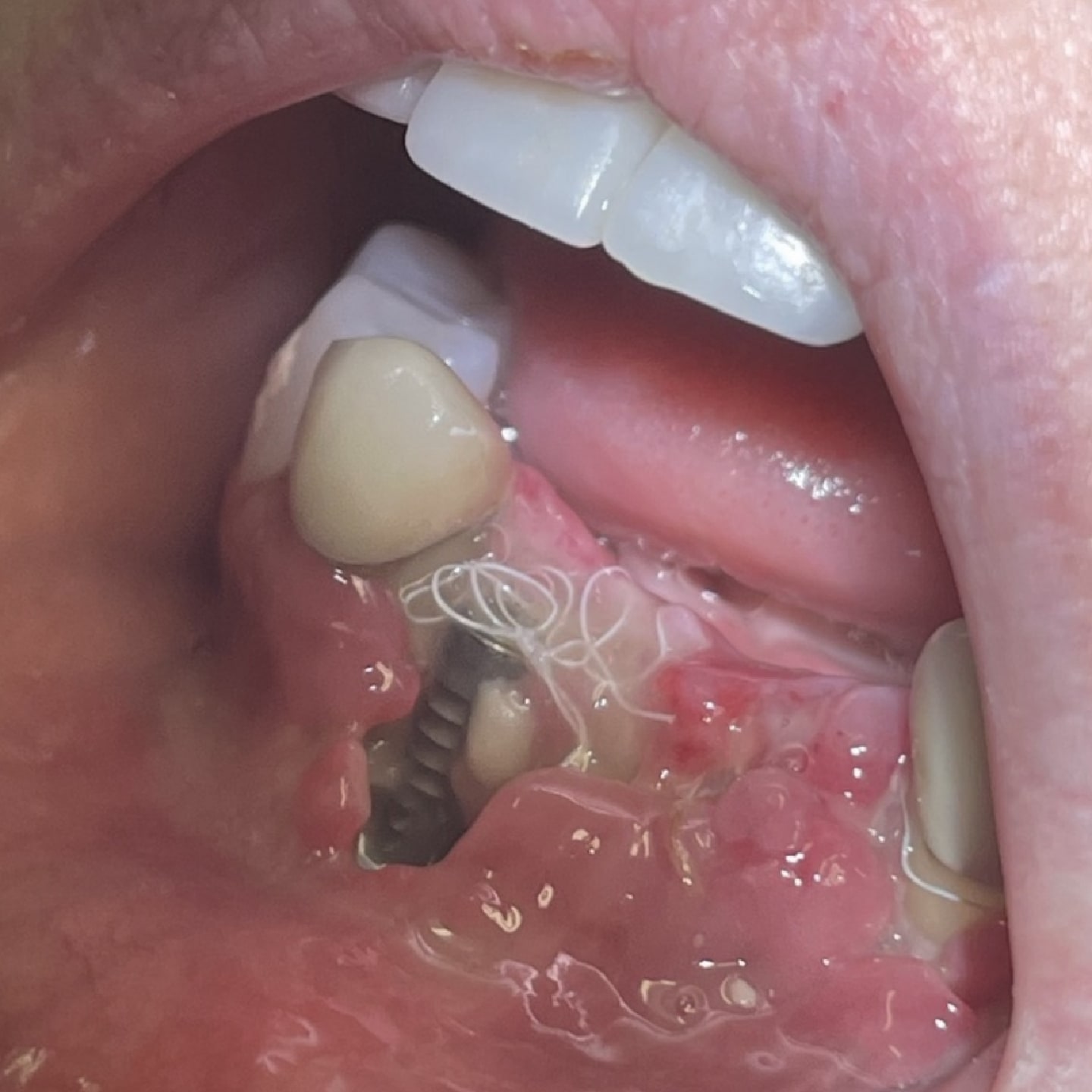
Case studies show successful grafting and sealing around failing implants using ADM.
ADM allows for enhanced ridge regeneration in preparation for future implant placement.
Patients reported high satisfaction with ADM in treating gingival recession and root coverage.
Using ADM avoids the need for a second surgical site, addressing patient concerns about donor site morbidity.
Clinical Implications
Clinicians may consider ADM as a viable option for GBR, particularly in patients who are hesitant about palatal grafting. The use of ADM can streamline procedures and improve patient comfort while achieving satisfactory clinical outcomes.
Conclusion
Acellular dermal matrix presents a promising alternative in guided bone regeneration, with potential benefits in patient satisfaction and procedural efficiency. Further research is warranted to establish its efficacy compared to traditional methods.