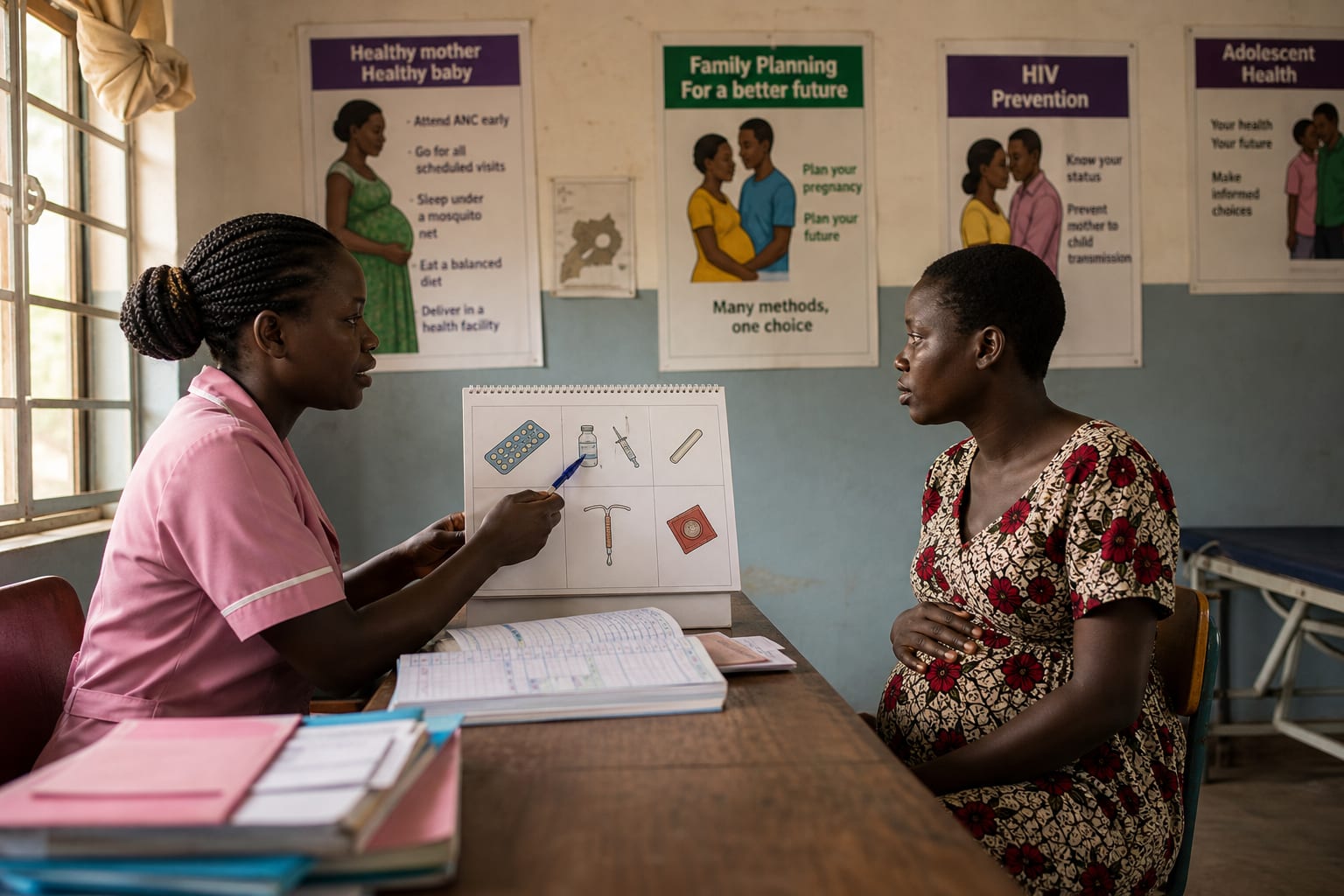
Clinical Report: Access and Insurance Coverage for Contraceptive Implants in the United States
Overview
Contraceptive implants are a highly effective reversible birth control method. This report discusses the challenges in access and insurance coverage for these implants in the U.S.
Background
Contraceptive implants, introduced in the U.S. in the 1990s, provide a long-acting reversible contraception option with a low failure rate. Understanding barriers to their adoption is essential for improving access.
Data Highlights
According to national data from 2022 to 2023, 5% of women ages 15-49 using contraception opted for the implant, with higher usage among younger and lower-income women.
Key Findings
Implants are the most effective FDA-approved reversible contraceptive with a 0.05% failure rate.
5% of women ages 15-49 using contraception in the U.S. chose the implant between 2022 and 2023.
11% of adolescent girls using contraception reported using the contraceptive implant.
Barriers to implant use include high up-front costs and the need for trained clinicians for insertion and removal.
The Affordable Care Act mandates contraceptive coverage without cost-sharing, yet many users still face out-of-pocket expenses.
Clinical Implications
Healthcare providers should be informed about the barriers to access for contraceptive implants.
Conclusion
Contraceptive implants are a highly effective birth control method, but barriers to access and awareness need to be addressed.