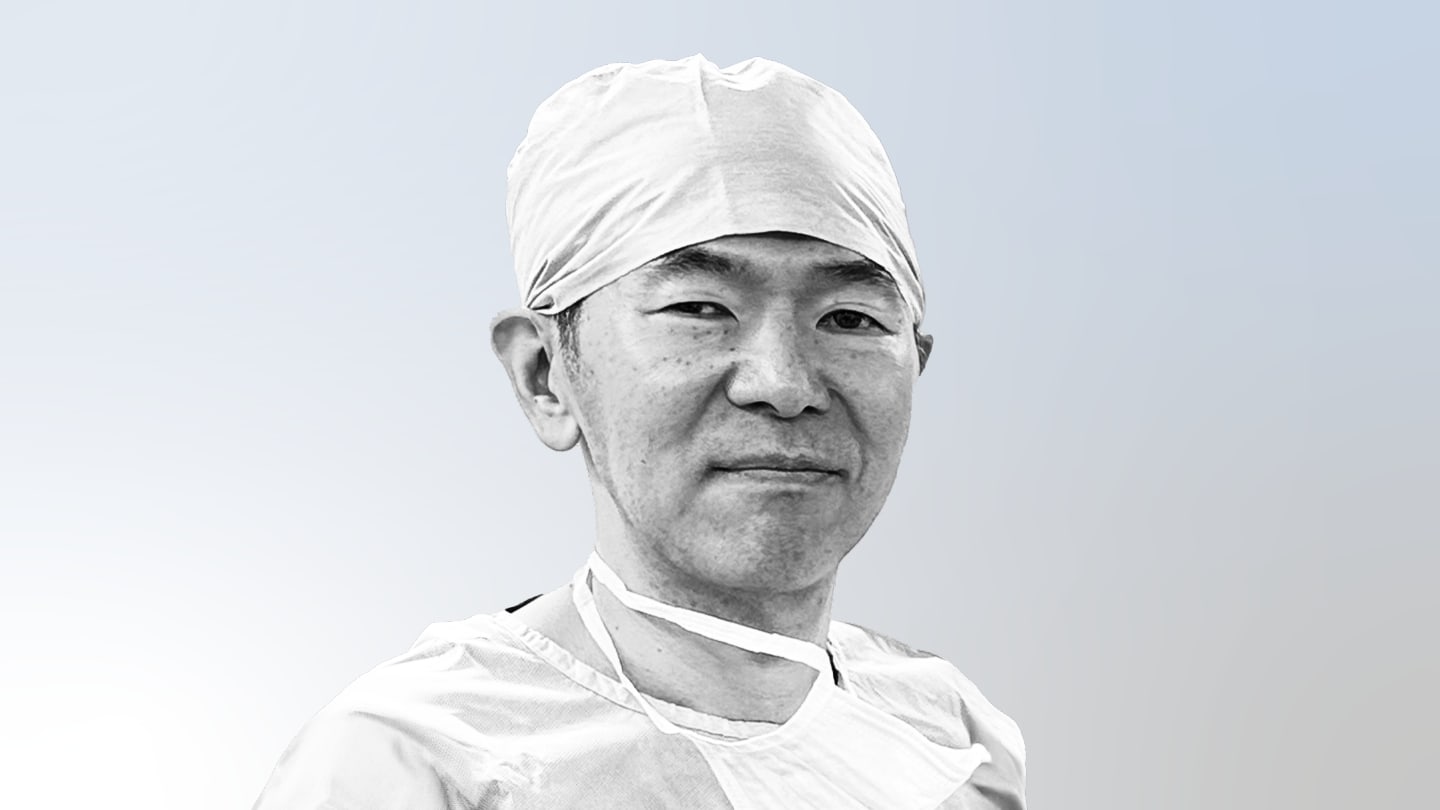
Clinical Report: Thirty Years of Innovation and the Future of Ophthalmology
Overview
Ophthalmology has experienced significant advancements over the past 30 years, particularly in cataract surgery, retinal disease management, and glaucoma treatment. Innovations such as optical coherence tomography (OCT) and anti-VEGF therapies have transformed the diagnosis and management of various conditions.
Background
The evolution of ophthalmology is crucial as it directly impacts patient care and treatment outcomes. Over the last three decades, technological advancements have shifted the focus from merely restoring vision to enhancing overall visual quality. Understanding these changes helps healthcare professionals stay informed about best practices and emerging therapies.
Data Highlights
No numerical or trial data provided in the source material.
Key Findings
Cataract surgery has evolved from larger incisions and longer recovery times to microincision techniques with advanced phaco technology.
Optical coherence tomography (OCT) has fundamentally changed the diagnosis and management of retinal diseases and glaucoma.
The introduction of anti-VEGF therapy has significantly altered the treatment landscape for conditions like age-related macular degeneration and diabetic retinopathy.
Minimally invasive glaucoma surgery (MIGS) offers improved safety profiles and earlier intervention opportunities compared to traditional methods.
Future advancements in ophthalmology may include artificial intelligence and personalized medicine, enhancing diagnostic and treatment capabilities.
Clinical Implications
Healthcare professionals should be aware of ongoing innovations in ophthalmology.
Conclusion
The past 30 years have marked a transformative period in ophthalmology, with innovations leading to improved techniques and technologies.