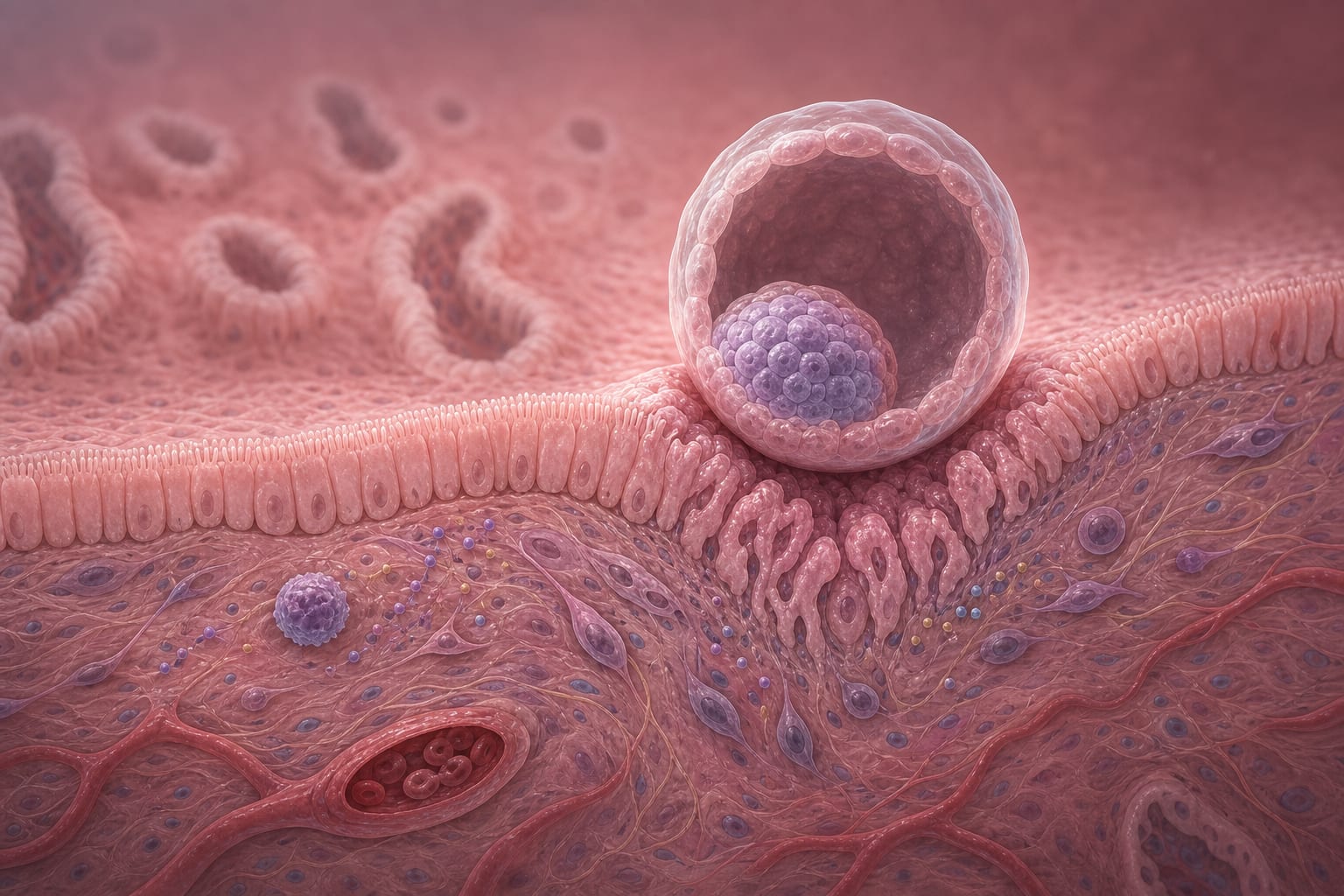
Clinical Report: Endometrial Impairment in Embryo Implantation
Overview
Endometrial dysfunction is a significant factor in recurrent implantation failure and infertility. This review highlights the molecular mechanisms underlying endometrial impairment and discusses current therapeutic interventions aimed at improving embryo implantation outcomes.
Background
Infertility affects a considerable number of reproductive-age couples, with female factors contributing to a substantial proportion of cases. Endometrial dysfunction, including abnormalities such as thin endometrium and chronic endometritis, can severely compromise embryo implantation. Understanding the mechanisms of endometrial impairment is crucial for developing effective treatments and improving assisted reproductive technology (ART) outcomes.
Data Highlights
No specific numerical data or trial results were provided in the source material.
Key Findings
Endometrial dysfunction is linked to recurrent implantation failure and infertility.
Key pathogenic drivers include cellular senescence, chronic inflammation, and endometriosis.
Therapeutic interventions such as intrauterine platelet-rich plasma (PRP) infusion show promise but require further validation.
Granulocyte colony-stimulating factor (G-CSF) and stem cell therapies also exhibit potential therapeutic benefits.
Current guidelines recommend avoiding unproven endometrial-targeted interventions for implantation failure.
Clinical Implications
Clinicians should consider the underlying mechanisms of endometrial dysfunction when addressing recurrent implantation failure. Evidence-based interventions, such as PRP infusion, may be beneficial, but further research is necessary to establish their efficacy. Careful evaluation of uterine factors is essential in managing infertility cases.
Conclusion
Endometrial impairment plays a critical role in embryo implantation failure. A deeper understanding of its mechanisms and evidence-based treatment options can enhance clinical outcomes in reproductive medicine.