Clinical Report: Reprogramming of Lipid Metabolism in Osteoarthritis
Overview
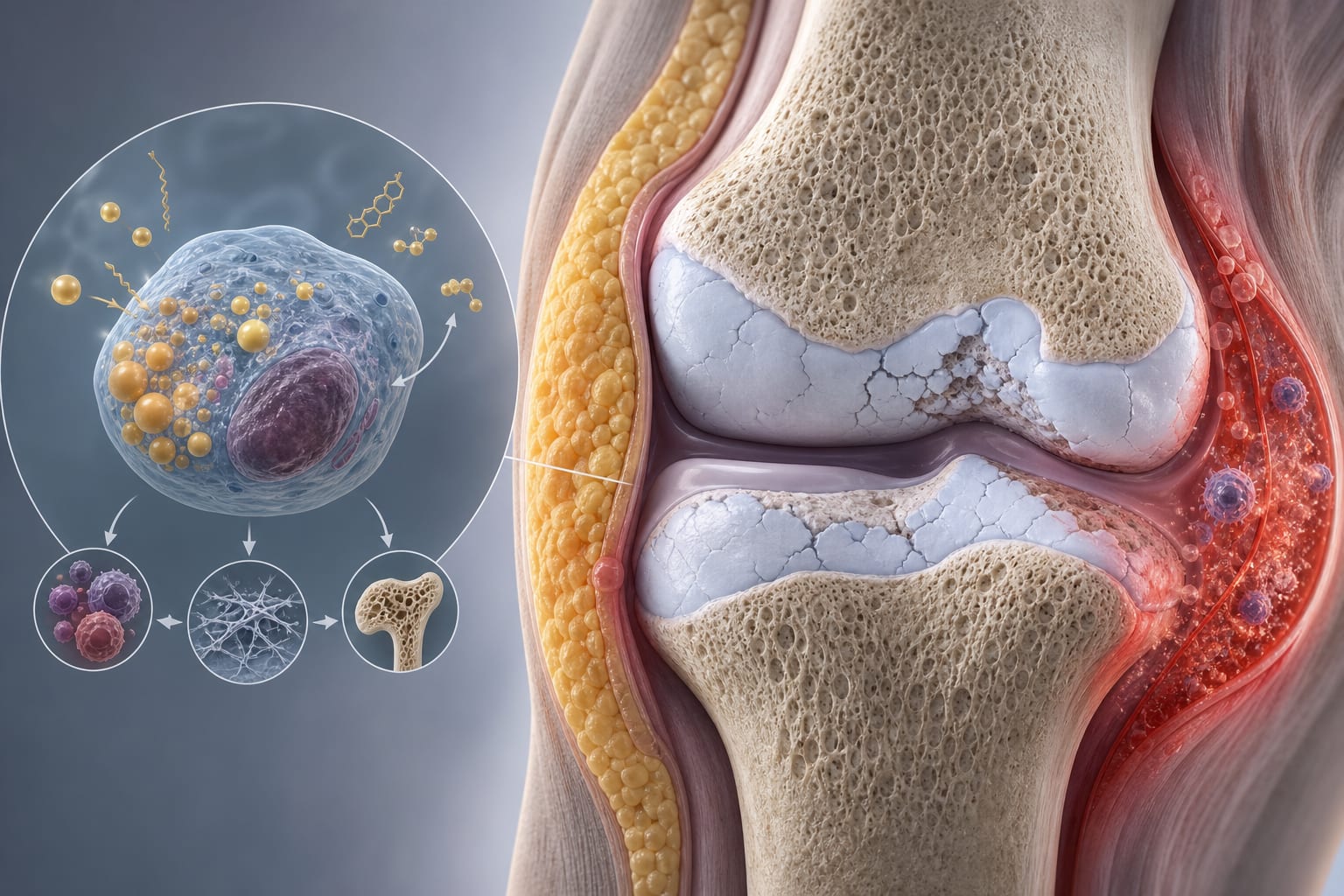
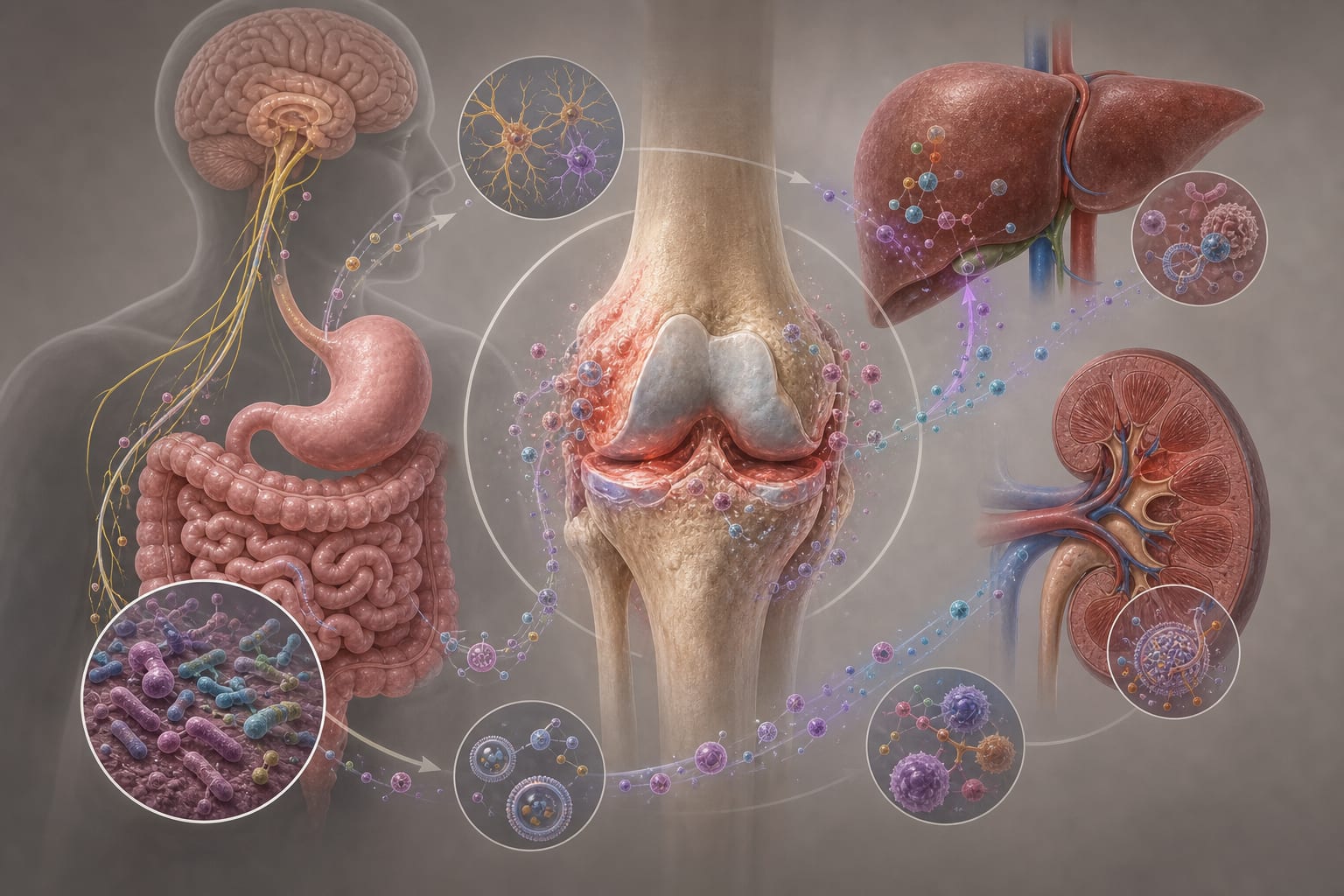
This review highlights the role of lipid metabolic dysregulation in osteoarthritis (OA), emphasizing its contribution to inflammation and cartilage damage.
Background
Osteoarthritis is a prevalent chronic joint disease characterized by cartilage damage and progressive functional decline. Emerging evidence suggests that lipid metabolism plays a role in OA pathogenesis.
Data Highlights
No numerical data or trial data presented in the article.
Key Findings
Lipid metabolic dysregulation contributes to OA susceptibility and symptom burden.
Key pathways linking lipid imbalance to OA include the CH25H-CYP7B1-RORα axis and fatty-acid-induced lipotoxic stress.
Lipid peroxidation can compromise chondrocyte membrane integrity and promote ferroptotic cell death.
HIF-1α signaling can support mitochondrial quality control or amplify inflammation depending on the context.
Current evidence supports metabolic stratification in OA, though gaps remain in linking lipid alterations to specific tissue mechanisms.
Clinical Implications
Further research is needed to explore lipid-targeted strategies in OA management.
Conclusion
Lipid metabolic dysregulation is a factor in OA pathogenesis, warranting further investigation.