Virtual Reality Interventions for Stress Reduction in the General Population: Systematic Review and Meta-Analysis of Randomized Controlled Trials - Report - MDSpire
Advertisement
Virtual Reality Interventions for Stress Reduction in the General Population: Systematic Review and Meta-Analysis of Randomized Controlled Trials
Clinical Report: Systematic Review and Meta-Analysis of VR for Stress Relief
Overview
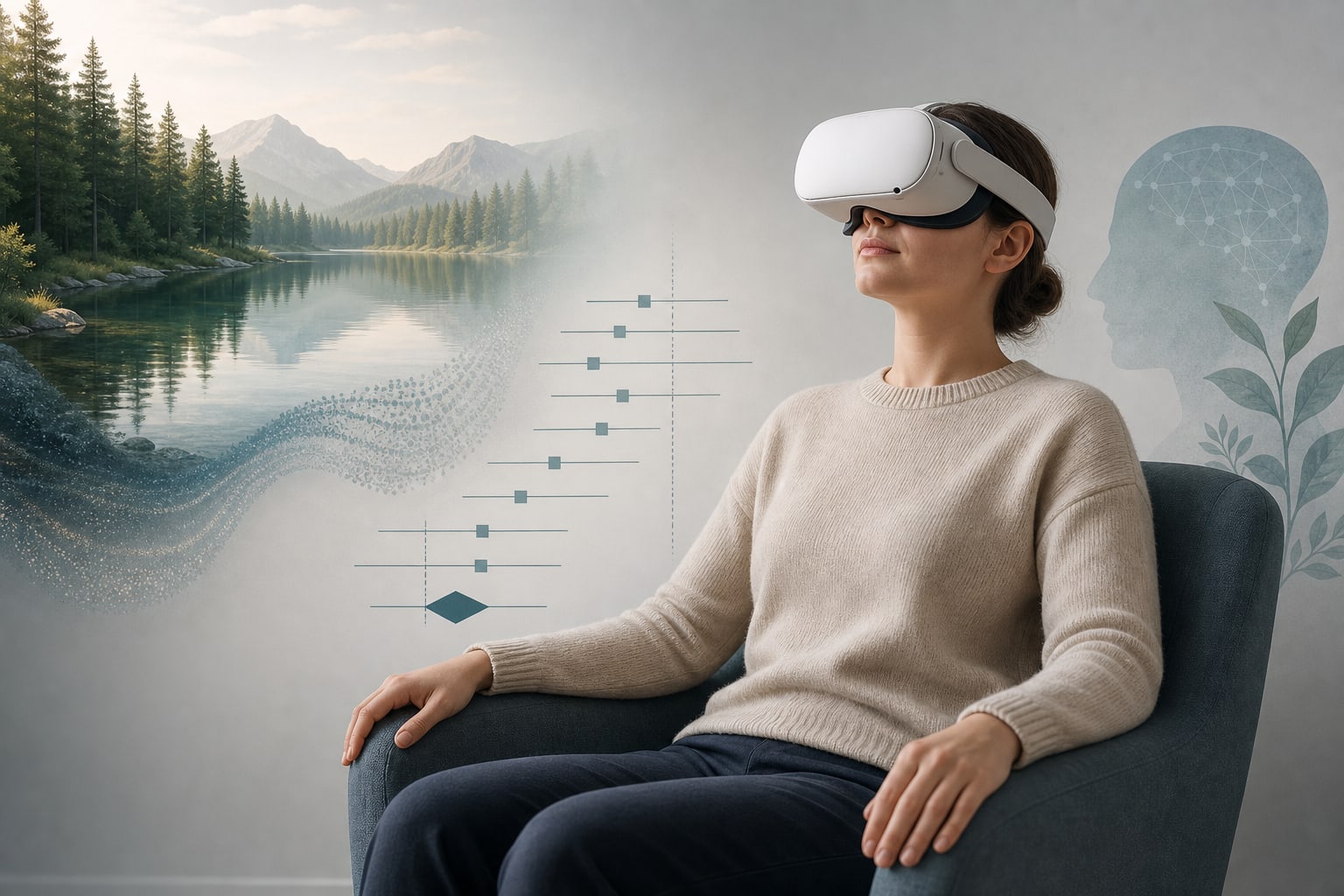
This systematic review and meta-analysis evaluates the efficacy of virtual reality (VR) interventions for stress relief in the general population. Findings indicate that VR can significantly reduce perceived stress, anxiety, and depression, although results vary across studies.
Background
Stress is a significant public health concern, impacting both mental and physical health. The rise in mental health issues, exacerbated by global crises, underscores the need for effective stress management strategies. Virtual reality has emerged as a promising tool for stress reduction, offering innovative, accessible interventions.
Data Highlights
No specific numerical data provided in the source material.
Key Findings
VR interventions can effectively reduce perceived stress and related symptoms in healthy adults.
A meta-analysis found significant reductions in anxiety (SMD 0.82), stress (SMD 0.58), and depression (SMD 0.62) through virtual nature exposure.
There is substantial heterogeneity in study results, indicating variability in effectiveness.
VR-based stress management techniques include exposure to natural environments, mindfulness, and breathing exercises.
Current guidelines emphasize the need for informed consent and clinician supervision when implementing VR in mental health care.
Clinical Implications
Healthcare professionals should consider integrating VR as a complementary tool for stress management in non-clinical populations. Proper training and adherence to safety guidelines are essential for effective implementation.
Conclusion
Virtual reality presents a novel approach to stress relief, with evidence supporting its efficacy. Continued research and adherence to best practices will enhance its application in mental health care.