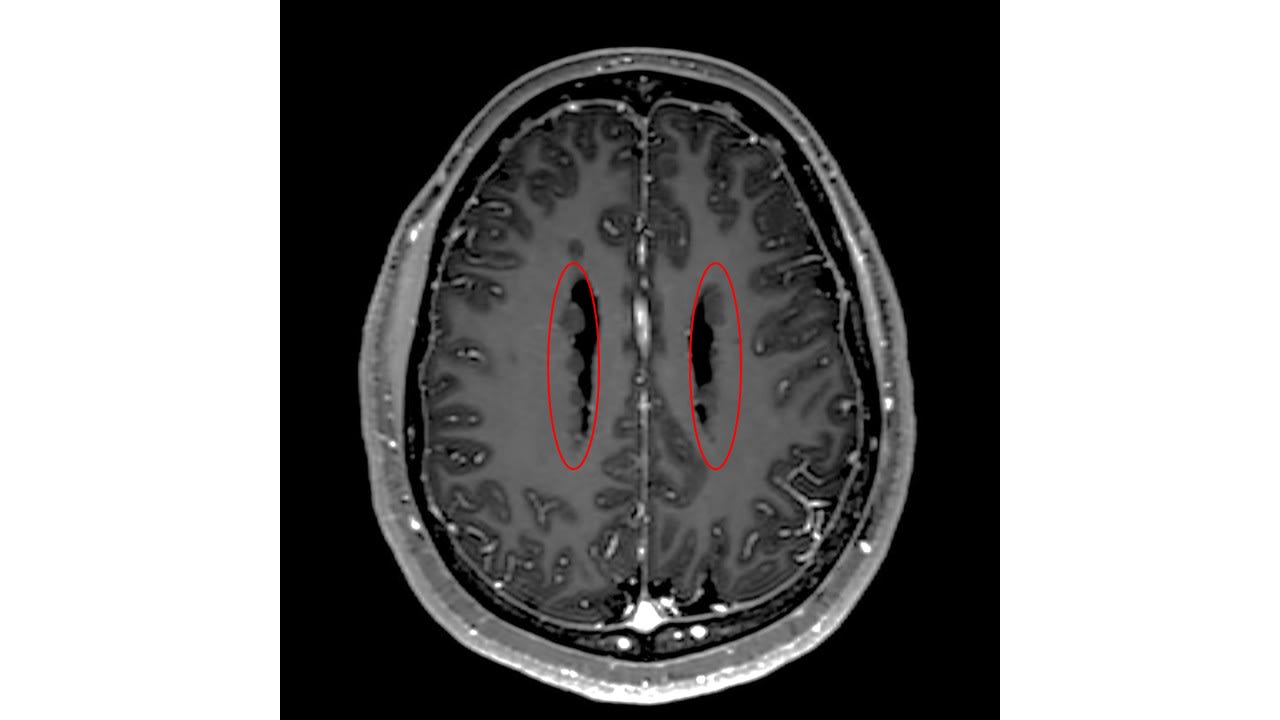
Innovative, Minimally Invasive Treatment for Drug-Resistant Epilepsy
-
May 8, 2026
-
5 min
Clinical Report: Innovative, Minimally Invasive Treatment for Drug-Resistant Epilepsy
Overview
Expand to include details about the patient's specific condition and the significance of the treatment.
Background
Drug-resistant epilepsy affects approximately one-third of individuals with epilepsy, necessitating alternative treatment strategies beyond antiseizure medications. Surgical options, particularly when guided by precise localization, offer the highest likelihood of seizure freedom. The case presented highlights the complexities of managing multifocal epileptogenic networks in patients with drug-resistant epilepsy.
Data Highlights
No numerical data available in the source material.
Key Findings
- One-third of epilepsy patients are classified as drug-resistant, failing two medications.
- Multidisciplinary evaluation is crucial for optimal surgical intervention in complex epilepsy cases.
- Stereoelectroencephalography (sEEG) can effectively localize seizure foci in challenging cases.
- Radiofrequency thermocoagulation (RF-TC) is a minimally invasive alternative to traditional resection.
- The patient achieved sustained seizure freedom post-RF-TC, significantly enhancing her quality of life.
- Timely referral to specialized epilepsy centers is essential for accessing advanced treatment options.
Clinical Implications
Clinicians should consider early referral of patients with drug-resistant epilepsy to specialized centers for comprehensive evaluation and treatment options. Minimally invasive techniques like sEEG-guided RF-TC can provide effective alternatives to traditional surgical approaches, particularly in complex cases.
Conclusion
The case underscores the importance of innovative, minimally invasive treatments in managing drug-resistant epilepsy, highlighting the potential for improved patient outcomes through tailored interventions.
References
- Korwyn L. Williams, MD, PhD, Phoenix Children’s, 2023 -- Innovative, Minimally Invasive Treatment for Drug-Resistant Epilepsy
- Atlantic Health System, 2023 -- Expanding Epilepsy Treatment Options at Atlantic Health
- Brain, 2023 -- Exploring Brain Stimulation Techniques for Managing Epilepsy
- NICE, 2025 -- Terms used in this guideline | Epilepsies in children, young people and adults | Guidance
- Neurosurgical Review, 2025 -- Efficacy and safety of laser interstitial thermal therapy versus radiofrequency ablation and stereotactic radiosurgery in the treatment of intractable mesial temporal lobe epilepsy: a systematic review and meta-analysis
- Acta Neurochirurgica — Integration of intraoperative ultrasound and depth-electrode electrocorticography for resection guidance in epilepsy surgery: technical workflow and feasibility
- Terms used in this guideline | Epilepsies in children, young people and adults | Guidance | NICE
- Efficacy and safety of laser interstitial thermal therapy versus radiofrequency ablation and stereotactic radiosurgery in the treatment of intractable mesial temporal lobe epilepsy: a systematic review and meta-analysis | Neurosurgical Review | Springer Nature Link
- Deep brain stimulation for epilepsy: A systematic review and meta-analysis of randomized and non-randomized studies of thalamic targeting - ScienceDirect
Based on findings from:
Innovative, Minimally Invasive Treatment for Drug-Resistant Epilepsy
Phoenix Children's Medical Connection, 2026.
https://www.phoenixchildrensmedconnection.org/news/innovative-minimally-invasive-treatment-for-drug-resistant-epilepsy
This content is an AI-generated, fully rewritten summary based on a published scholarly article. It does not reproduce the original text and is not a substitute for the original publication. Readers are encouraged to consult the source for full context, data, and methodology.